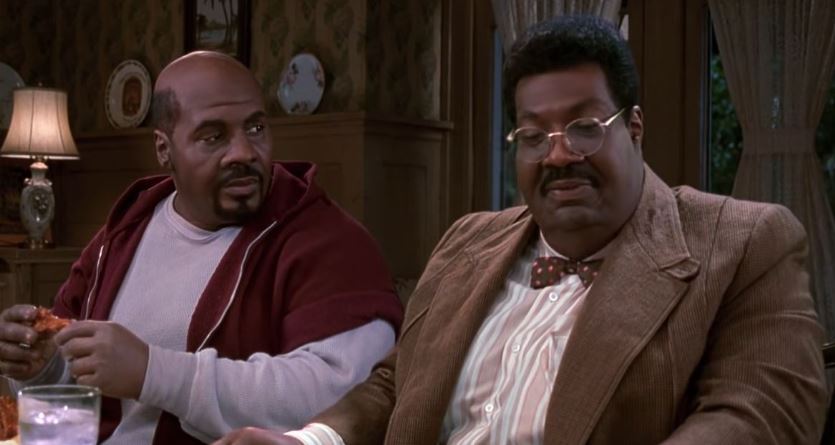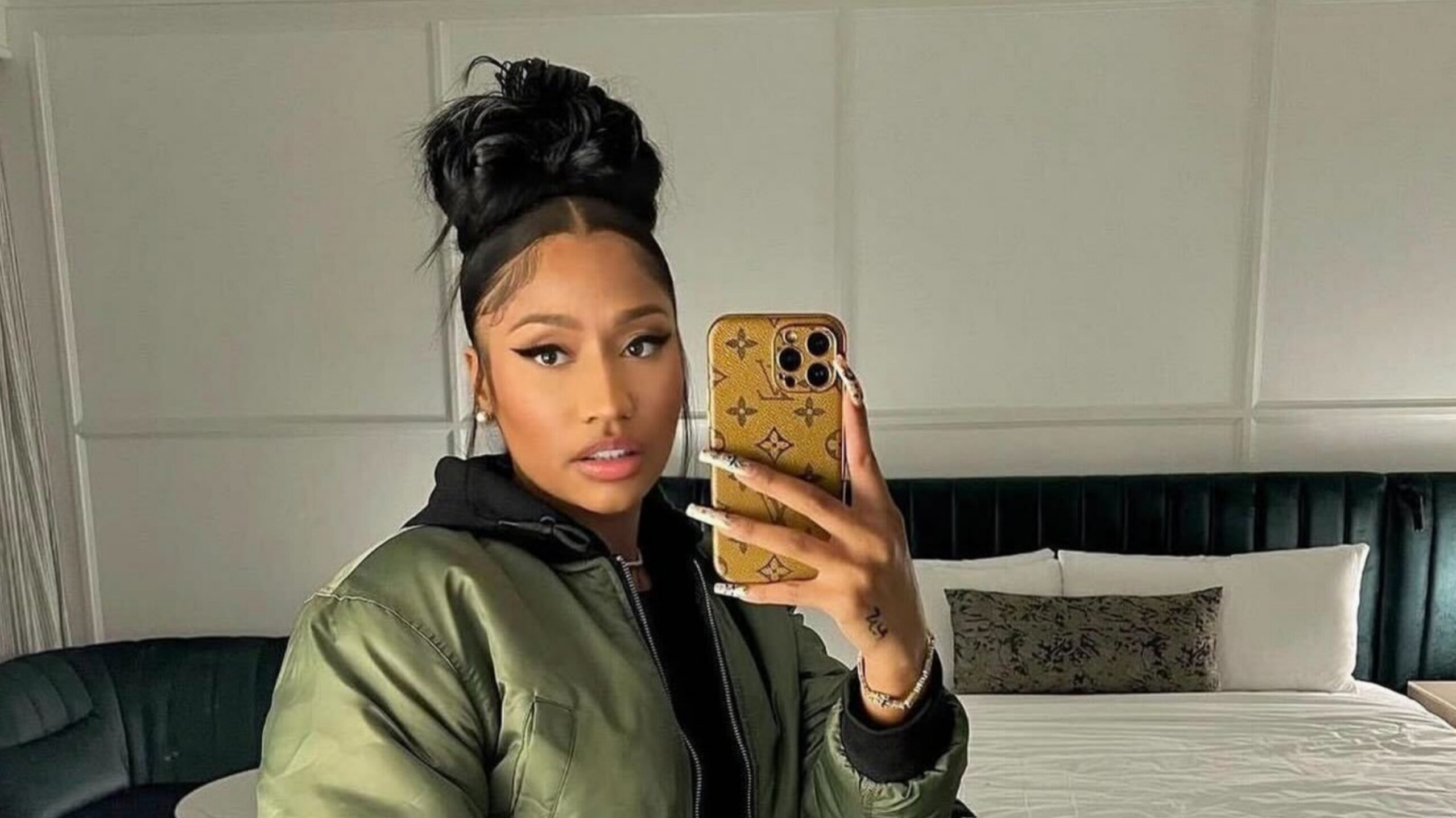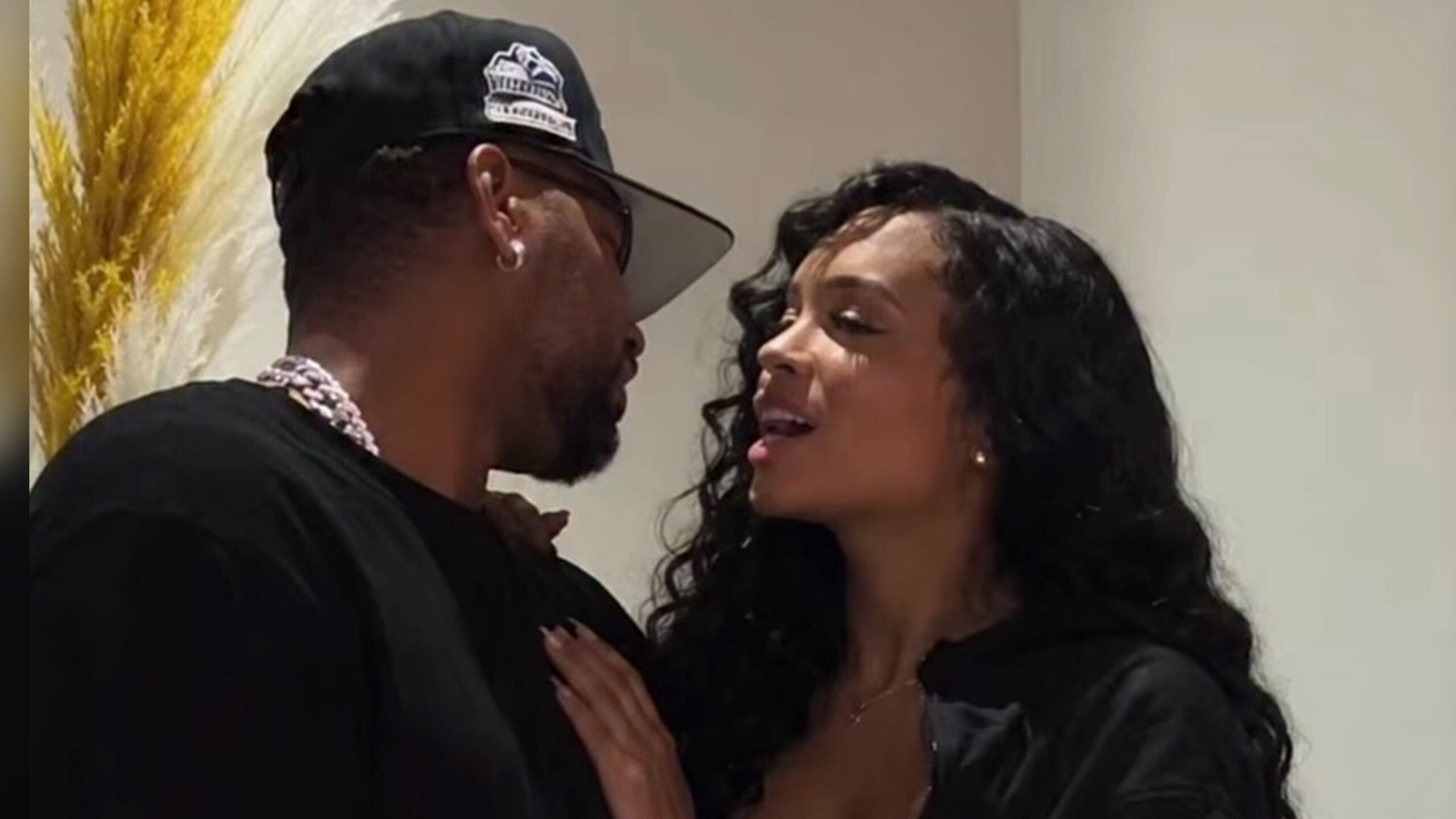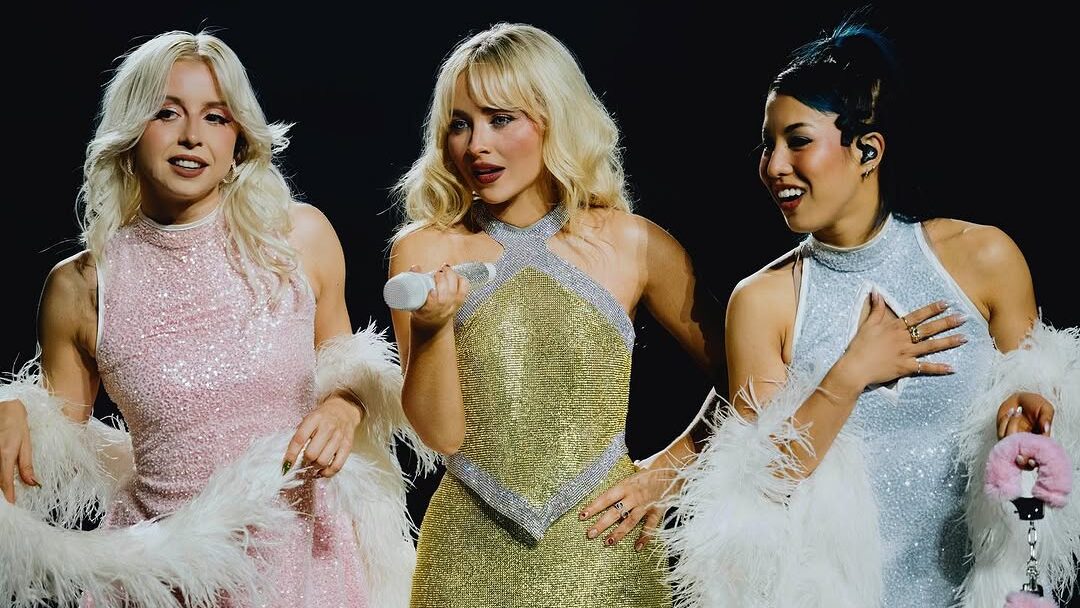
Pop culture is the music, movies, TV, fashion, slang, and trends that a society shares and recognizes at a given moment. It’s what most people are watching, wearing, quoting, and arguing about right now, accessible by design, fast-moving, and made for the many instead of the few. That’s the short answer.
The longer answer is that pop culture is never just entertainment. It’s how a society works out what it values, who belongs, and whose ideas get heard. A running, public argument carried out through songs, shows, memes, and clothes instead of speeches. Most of it looks disposable. Almost none of it is. So let’s do both: the definition first, then the real work it does.
What Does Pop Culture Actually Mean?
Pop culture, short for popular culture, is the set of practices, products, and ideas that hold mass appeal in a society at a specific point in time. Music, movies, television, fashion, sports, memes, celebrity, the words everyone suddenly starts using: if a lot of people are into it and it shapes how they talk and live, it’s pop culture.
Quick definition:
- Pop culture (n.): the music, film, TV, fashion, slang, and trends widely shared across a society at a given time
- Also called: popular culture, mass culture
- Defined by: mass appeal, accessibility, constant change
- Opposite of: high culture (elite or “fine” art) and niche subculture
- Lives now: mostly online, social media, streaming, and the group chat
The cultural theorist John Storey, in Cultural Theory and Popular Culture, laid out six different ways scholars define it: from “culture that lots of people like,” to “whatever isn’t high culture,” to “commercial product manufactured for mass consumption.” There are six because pop culture is a moving target. What it means depends on who’s defining it and what year it is. Dictionaries keep it simpler: pop culture is the music, TV, film, and books enjoyed by ordinary people rather than gatekept by critics.
The version that holds up best is the oldest one. Pop culture is the culture of the people, not what institutions decide is important, but what people actually choose.
Pop Culture vs. High Culture, Folk Culture, and Mass Culture
These four terms get swapped around like they mean the same thing. They don’t.
| Type | What it is | Example |
| Pop culture | Widely shared, commercial, made for mass appeal | A No. 1 song, a hit streaming series |
| High culture | Elite art tied to wealth and formal education | Opera, the literary canon, fine art |
| Folk culture | Community-rooted tradition, passed down not sold | Regional cooking, handed-down music |
| Mass culture | Manufactured and distributed at scale | Network TV, chart radio, blockbuster franchises |
Pop culture is usually set apart from folk and high culture. High culture is the gallery and the opera house, historically locked behind money and education. Folk culture is homemade and community-rooted. Mass culture is whatever gets produced and pushed out at scale.
The line between “folk” and “pop” is where culture tends to move. Something starts small and local (a regional sound, a neighborhood style, an immigrant kitchen) then it gets recorded, sold, and absorbed, and suddenly it’s everywhere. Local creation, then mass pickup. That sequence is basically the operating system of pop culture, and it runs through almost every culture that’s ever fed it.
A subculture is the flip side of all this: a smaller scene with its own codes, think early punk, or hip hop before it went national, that the mainstream hasn’t swallowed yet. The fascinating thing about pop culture is how fast it eats its subcultures. What’s underground on Monday can be a brand campaign by Friday.
When Did Pop Culture Start?
The phrase “popular culture” was coined in the 19th century, the Oxford English Dictionary lists its first use in 1854, though the idea runs back further to thinkers who split the “culture of the people” from the learned culture of elites. And it wasn’t a compliment. Popular culture meant lower-class, poorly educated, the opposite of “official” culture.
Industrialization flipped that. As people moved off farms into cities, literacy climbed and workers ended up with a little disposable income and time to spend it on sports, on pubs, on reading. A market for cheap entertainment opened up almost overnight.
The first penny serials, mass-produced pulp fiction sold to young readers, appeared in the 1830s, about as close to a Victorian video game as the era had. After World War II, the meaning shifted again, blending with mass media, consumer culture, and everything advertisers could sell to a growing middle class. The shorthand “pop,” as in pop music, only dates to the late 1950s, and modern pop culture really got its legs when the baby boomers came of age with money to burn and a youth market formed around them.
But a dictionary entry isn’t really when pop culture “started.” Culture that’s popular has always existed. What changed was the machinery… radio, records, film, TV, and eventually the internet… that could take something local and make it national overnight. The thing getting amplified was whatever ordinary people were already making.
What Counts as Pop Culture? (Examples)
For a working list, pop culture examples cut across nearly every part of daily life:
- Music: Hip hop, R&B, pop, the song every playlist is running into the ground
- Film and TV: Blockbusters, streaming series, the show the group chat won’t stop spoiling
- Fashion and beauty: Sneaker drops, viral silhouettes, the look everybody’s suddenly copying
- Social media: Memes, short-form video trends, viral moments, internet slang
- Sports: The players who get bigger than the game itself
- Celebrity: The famous faces whose every move turns into a headline
- Language: The slang that jumps from one corner of the internet to everyone’s mouth
What ties them together is reach and speed. Pop culture is whatever a lot of people are paying attention to at the same time, and right now, a meme can go from inside joke to global reference inside a week (think of six-seven). The exact mix also shifts with every generation and increasingly crosses borders: K-pop turned a regional sound into a worldwide phenomenon, and a viral clip filmed in one country can set the tone in fifty others by morning.
Look at that list again. A striking amount of it didn’t start in boardrooms. It bubbled up from the edges, youth scenes, immigrant communities, working-class neighborhoods, the corners of the internet, before the mainstream caught on. Which is the part worth slowing down for.
What Does Pop Culture Do for Society?
Pop culture does at least four things at once, and none of them are small.
It builds identity and belonging. The music you grew up on, the shows your people quote, the references that signal who’s in your world. That’s how people find each other. It gives a society a shared language, a set of touchstones strangers can use to recognize one another in a checkout line or a comment section.
It moves conversations. One TV storyline or one song can put an issue in front of millions who’d never read a policy brief about it. Norms tend to shift through culture before they shift through law, a sitcom can change how a country feels about a subject faster than a campaign can.
It moves serious money. Pop culture is one of the largest exports on earth. Hollywood, the streaming catalogs the whole world now watches, the touring business, the merch. And the export runs both ways now: K-pop turned a Korean scene into a global juggernaut, Afrobeats and reggaeton carry their roots onto charts everywhere, and a clip shot in one country can shape taste in fifty.
And it absorbs the margins. Nearly every dominant strain of popular culture started on the edge before it moved to the center. Rock and roll grew out of Black gospel and blues. Sister Rosetta Tharpe was playing electric guitar like a rock star in the 1940s and didn’t reach the Rock and Roll Hall of Fame until 2017, long after the men who borrowed from her became legends. Hip hop went from a Bronx block party in 1973 to the most-consumed music genre in the United States by 2017.
But this isn’t one culture’s story, it’s the rule. Punk came up from working-class Britain. Reggaeton carried Puerto Rican and Panamanian roots onto every chart. Immigrant kitchens keep reshaping the national palate. The mainstream is always mining the edges for what’s next.
Which raises the question pop culture always raises: who creates it, and who profits from it? The people who set the pace are often not the people who get paid. That gap, between the corner where a thing is made and the boardroom where it’s monetized, is one of the more honest things pop culture has to say about a society.
Where Pop Culture Stands Now
The biggest shift in pop culture isn’t what it is. It’s who controls it.
For most of the 20th century, a handful of studios, labels, and networks decided what got amplified. The gatekeepers are weaker now. A teenager with a phone can start a trend that reshapes an entire industry’s release calendar. Social media turned the audience into the producers, the same people who consume pop culture now make it, remix it, and decide overnight what lives and what dies.
That’s sped everything up, and it’s made the old dynamic more visible than ever. When something blows up online, you can often watch in real time where it came from and who runs off with it, which is exactly why creators across every scene have started fighting harder for credit and a cut. The culture moves faster now. What hasn’t changed is that the people setting the pace and the people cashing in still aren’t always the same.
It’s also gone global in a way it never was. A song in Spanish or Korean can top charts in countries where almost nobody speaks the language, because the algorithm doesn’t care about borders, it cares about what holds attention. The barrier to entry has collapsed: a producer working out of a bedroom can outdraw a major label, and a trend can be born, peak, and burn out before a marketing department even notices it happened. Ownership gets murkier in all that speed. When a sound is everywhere within a week, it’s harder than ever to say whose it was, which is both the upside and the cost of culture that finally belongs to everyone at once.
Quick Answers
What does pop culture mean? It’s the music, film, TV, fashion, slang, and trends widely shared across a society at a given time, the culture of the people, built for mass appeal.
What’s the difference between pop culture and high culture? High culture is elite or “fine” art historically tied to wealth and formal education. Pop culture is accessible, commercial, and made for a broad audience.
When did pop culture start? The term dates to the 19th century, but pop culture as we’d recognize it took shape with 20th-century mass media: radio, film, TV, and now the internet.
Why does pop culture matter? It shapes identity, moves public conversations and norms, and drives a huge share of the global economy, it’s where a society works out what it values in real time.
What are examples of pop culture? Hit music, blockbuster movies and streaming shows, viral memes, celebrity news, sneaker culture, sports stars, and the slang everyone suddenly starts using.
The Culture of the People
Strip away the academic layers and pop culture comes back to one idea: it’s what people choose, not what they’re told to value. That’s why it never sits still, and why it can’t really be controlled from the top.
Call it disposable if you want. But a society’s pop culture is the clearest record it keeps of what it loved, who it listened to, and what it was willing to pay for. Pay attention to what’s popular and who actually made it, and you’ll learn more about a moment than most history books will tell you.