Black-owned luxury brands are high-end fashion, accessory, and jewelry houses founded and owned by Black designers, names like Telfar, Pyer Moss, Wales Bonner, and Brother Vellies that compete at the top of the industry on craft, not on goodwill. Three of them won the CFDA/Vogue Fashion Fund in three consecutive years. One showed at Paris couture. One just took over menswear at Hermès.
Most lists you’ll find treat these brands as what to buy instead of Gucci, the morning-after move once a heritage house gets caught selling a blackface sweater. That framing quietly makes Black luxury a consolation prize. It isn’t. The designers below are the standard, not the substitute.
There’s a second thing those lists skip: ownership. A Black designer can build a coveted luxury label and still not own it when the dust settles. So this isn’t just a shopping guide. It’s a guide to who actually holds the keys.
What Makes A Brand A Black-Owned Luxury Brand?
A Black-owned luxury brand meets two conditions at once. First, it was founded by, and is still owned or creatively led by, a Black designer. Second, it operates in the luxury tier: high price points, real craftsmanship, and positioning that puts it in the same conversation as the European houses, not below them.
That second part trips people up. “Luxury” here doesn’t mean expensive for the sake of it. It means a Telfar bag that resells above retail, a Brother Vellies shoe handmade by artisans in Kenya and Ethiopia, a Diotima dress crocheted by hand in Jamaica. Price follows craft and demand, the same way it does at any house in Paris.
The word doing the heavy lifting is owned. Plenty of brands get folded into “Black-owned luxury” lists out of habit, long after the founder sold the company. Ownership is the difference between a designer who built equity and one who built someone else’s.
What Are Some Black-Owned Luxury Fashion Brands?
This is the deepest bench, ready-to-wear and couture, where Black designers have spent the last decade collecting the industry’s top honors.
Pyer Moss

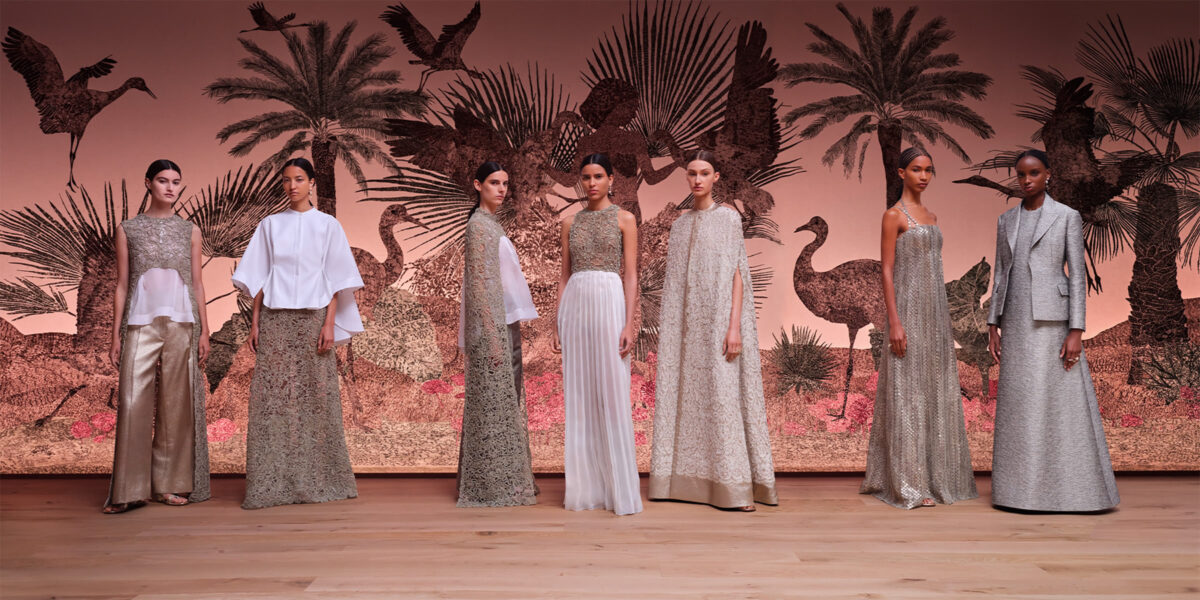
Kerby Jean-Raymond launched Pyer Moss in 2013 and built it into something closer to an art project than a clothing line, staging shows about police brutality and Black invention. He won the CFDA/Vogue Fashion Fund in 2018, then became the first Black American designer to show at Paris Haute Couture Week in 2021.
That couture debut, staged at Madam C.J. Walker’s estate, with garments shaped like a Super Soaker and a bottle cap honoring Black inventors, is one of the boldest fashion statements an American designer has made this century.
Wales Bonner
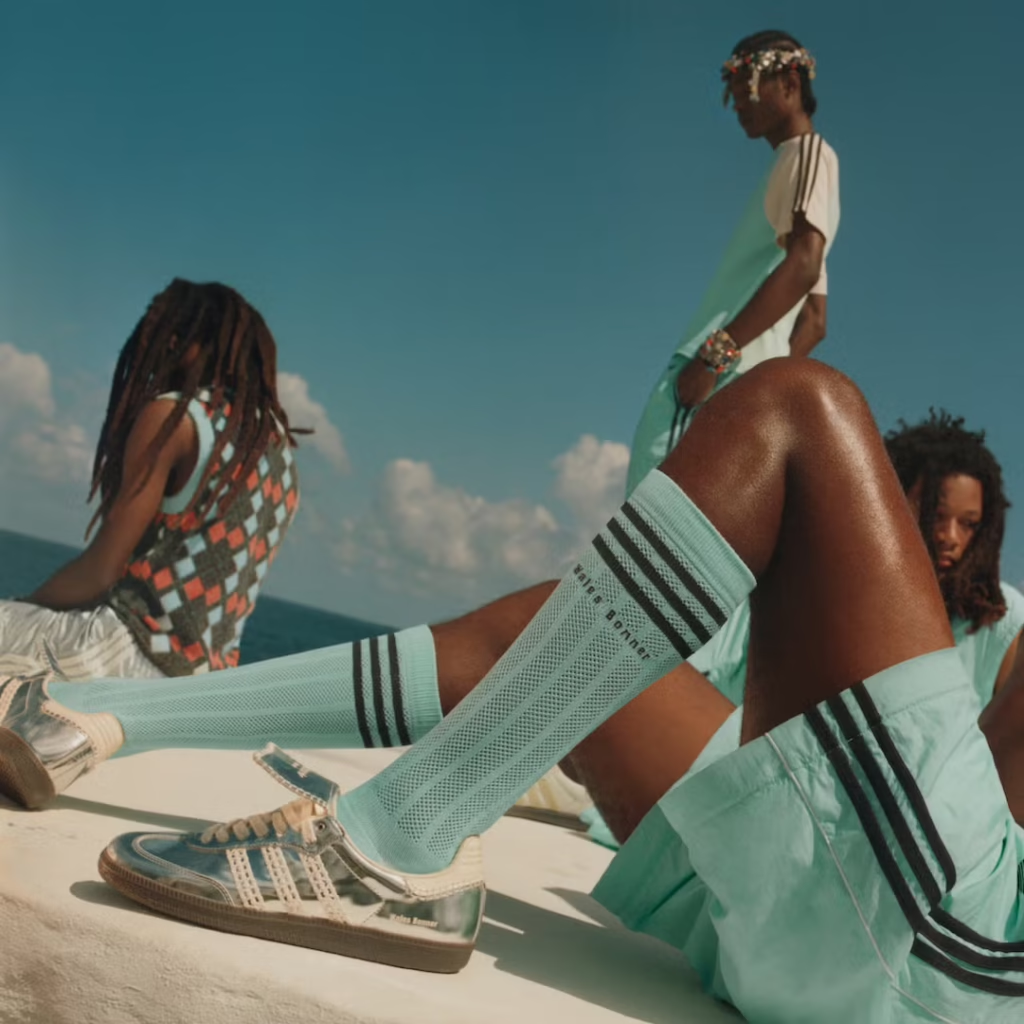
Grace Wales Bonner is British and Jamaican, and her tailoring reads like research: she studies Black masculinity and Afro-European identity and turns it into menswear. She won theLVMH Prize in 2016, and her adidas Samba collaborations became some of the most-wanted sneakers of the decade.
In October 2025, Hermès named her creative director of menswear, the first Black woman to lead a major European house’s menswear, after the previous director held the seat for 37 years.
Diotima

Rachel Scott launched Diotima in 2021, working between New York and Jamaica, where female artisans hand-crochet the pieces that made the brand.
In 2024 she became the first Black woman to win the CFDA’s American Womenswear Designer of the Year. By late 2025 she’d been named creative director of Proenza Schouler, running her own house and an American institution at the same time.
Christopher John Rogers

Color, volume, and clothes that take up space. Rogers won the CFDA/Vogue Fashion Fund in 2019 and has dressed Michelle Obama, Lizzo, and Beyoncé.
He’s proof the pipeline didn’t stop with one designer.
LaQuan Smith
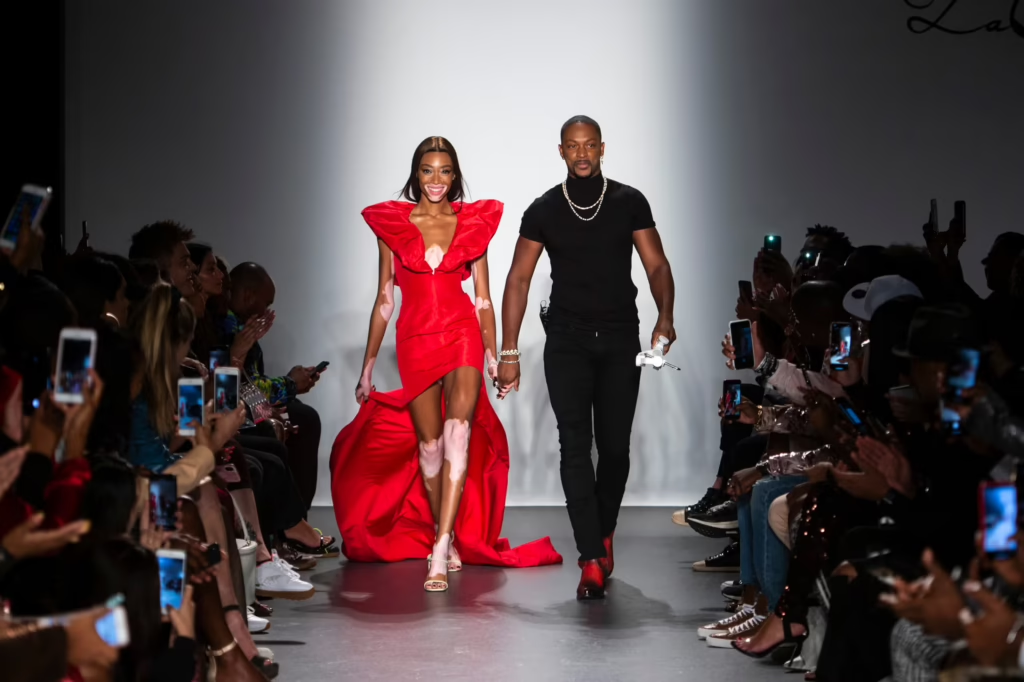
Body-conscious glamour with no apology. Smith launched in 2013 and built a client list, Beyoncé and Rihanna among them, by making the kind of clothes that get photographed. He kept his label independent through it all.
Hanifa

Anifa Mvuemba, Congolese-American, put Hanifa on the map in May 2020 with a 3D digital runway shown on Instagram Live, garments moving on invisible bodies during a pandemic that shut every physical show down.
It was a glimpse of where fashion was going, made by a designer the big houses weren’t watching yet.
Black-Owned Luxury Handbag And Accessory Brands
The accessories category is where Black ownership turned into genuine cultural power, bags people line up for.
- Telfar: Telfar Clemens founded his unisex label in 2005, but it was the Shopping Bag, launched in 2014 and nicknamed the “Bushwick Birkin,” that changed everything. He won the CFDA/Vogue Fashion Fund in 2017 and was later named American Accessories Designer of the Year, twice. Telfar’s whole model: “not for you, for everyone,” with customer-set pricing on some drops, is a direct shot at luxury’s scarcity game. When Beyoncé name-checks your bag on a Renaissance track, you’ve won the culture.
- Brandon Blackwood: Started in 2015, took off in 2020 when his “End Systemic Racism” tote sold out within hours and sent proceeds to civil rights legal work. Beyoncé, Megan Thee Stallion, and Victoria Monét have carried his bags. Clean, structured, and now stocked at Saks, a modern luxury accessories house built in under a decade.
- Brother Vellies: Aurora James founded Brother Vellies in 2013 to keep traditional African footwear techniques alive, working with artisans across Kenya, Ethiopia, Morocco, and beyond. She won the CFDA/Vogue Fashion Fund in 2015. Then in June 2020 she started the Fifteen Percent Pledge, pressing major retailers to give 15% of shelf space to Black-owned brands, an effort SCAD credits with generating billions in revenue for Black businesses. The brand and the activism are the same project.
Black-Owned Luxury Watch Brands
Watches are their own corner of this world, and the demand is real, searches for Black-owned watch companies run deeper than for the broader category.
Talley & Twine: Founded in 2014 by Randy Williams, Talley & Twine designs and manufactures timepieces for men and women and describes itself as the largest Black-owned watch company. It’s been featured everywhere from the New York Times to the Robb Report. In a category dominated by Swiss heritage houses with century-old marketing, building a watch brand from scratch and owning the lane is its own kind of luxury statement.
The watch space stays thin on Black-owned names precisely because watchmaking is capital-intensive and gatekept, which is exactly why the brands that break through matter.
Black-Owned Luxury Jewelry Brands
Fine jewelry is one of the hardest luxury categories to crack. It runs on heritage, certification, and access to materials, the exact things a new designer rarely starts with. The Black-owned names that have broken through did it on point of view.
- Mateo: Matthew Harris, born in Jamaica, launched Mateo New York in 2009 and built a following on minimalist fine jewelry: sculptural, modern, worn by Michelle Obama and Zendaya. He was a CFDA finalist the same year Telfar won.
- KHIRY: Jameel Mohammed founded KHIRY in 2016 with an Afrofuturist point of view, designing jewelry that treats Black culture as the reference point, not the accent. Michelle Obama and Serena Williams have worn it. It’s luxury that doesn’t dilute where it comes from.
Black-Owned Luxury Menswear And Tailoring
Ozwald Boateng: Here’s a name the newer lists tend to skip, and it shouldn’t be skipped. The British-Ghanaian tailor opened a store on London’s Savile Row in 1995, the first Black designer to do it, bringing color and slim cuts to a street that hadn’t changed in generations. In 2003 he became creative director of menswear at Givenchy, a major French luxury house, under LVMH.
That detail matters more than it gets credit for. When Virgil Abloh was named to Louis Vuitton in 2018, the industry called him the first Black designer to lead a French luxury house. Boateng had done it 15 years earlier, and the record mostly forgot. The history here is longer than the recent headlines suggest.
Is Off-White A Black-Owned Brand?

Off-White is the brand that explains why ownership belongs at the center of this conversation.
Virgil Abloh founded Off-White and built it into one of the most influential labels of the 2010s, the bridge between streetwear and the runway. In 2021, LVMH bought a 60% majority stake in the company. Abloh died that November. In 2024, LVMH sold Off-White to brand-management firm Bluestar Alliance.
So the honest answer: Off-White was founded by a Black designer, but it is not Black-owned today. That’s not a knock on Abloh, he opened doors that stayed open. It’s a reminder that founding a brand and owning it long-term are two different finish lines, and the industry has a habit of separating Black designers from the second one.
Common Questions
- Is Telfar Black-owned? Yes. Telfar is owned by its founder, Liberian-American designer Telfar Clemens, who has led it since 2005.
- What’s the most influential Black-owned luxury brand right now? Depends on the lane. Telfar owns the accessories conversation, Wales Bonner is rewriting the rules at the European-house level, and Diotima is the critical darling. There’s no single answer, which is the point.
- Are there Black-owned luxury watch brands? Yes, though fewer than in fashion. Talley & Twine is the best-known, designing and producing its own timepieces since 2014.
- Where can you buy Black-owned luxury brands? Many are stocked at Saks, Bergdorf Goodman, Nordstrom, and Moda Operandi, alongside their own sites. Brandon Blackwood and Diotima sit on major-retailer floors; Telfar mostly sells direct through timed drops.
- Did a Black designer ever run a major European house before Virgil Abloh? Yes. Ozwald Boateng was creative director of Givenchy menswear starting in 2003, 15 years before Abloh’s Louis Vuitton appointment.
The Takeaway
The story of Black-owned luxury isn’t a list of alternatives to shop when a heritage house embarrasses itself. It’s a CFDA/Vogue Fashion Fund won three years running, a Paris couture debut at Madam C.J. Walker’s estate, a Savile Row storefront, and an Hermès appointment that took until 2025. These designers built houses that compete at the top on their own terms.
What separates the ones that last is whether they keep what they build. Telfar still belongs to Telfar. Diotima still belongs to Rachel Scott. Off-White doesn’t belong to the Abloh estate anymore. The bag, the suit, the watch. Those are the easy part. Holding onto the company is the whole game, and the names above are the ones playing it best.