Friends star Lisa Kudrow is pulling back the curtain on what life was really like behind one of television’s most beloved sitcoms. In a candid interview with The Times of London, the actress revisited her decade-long run as Phoebe Buffay and revealed that not everything off-camera was as lighthearted as fans believed. From harsh criticism to uncomfortable behavior, Kudrow described a work environment that could turn unexpectedly tense despite the show’s cheerful on-screen image.
The Pressure Cooker Behind One of TV’s Happiest Shows
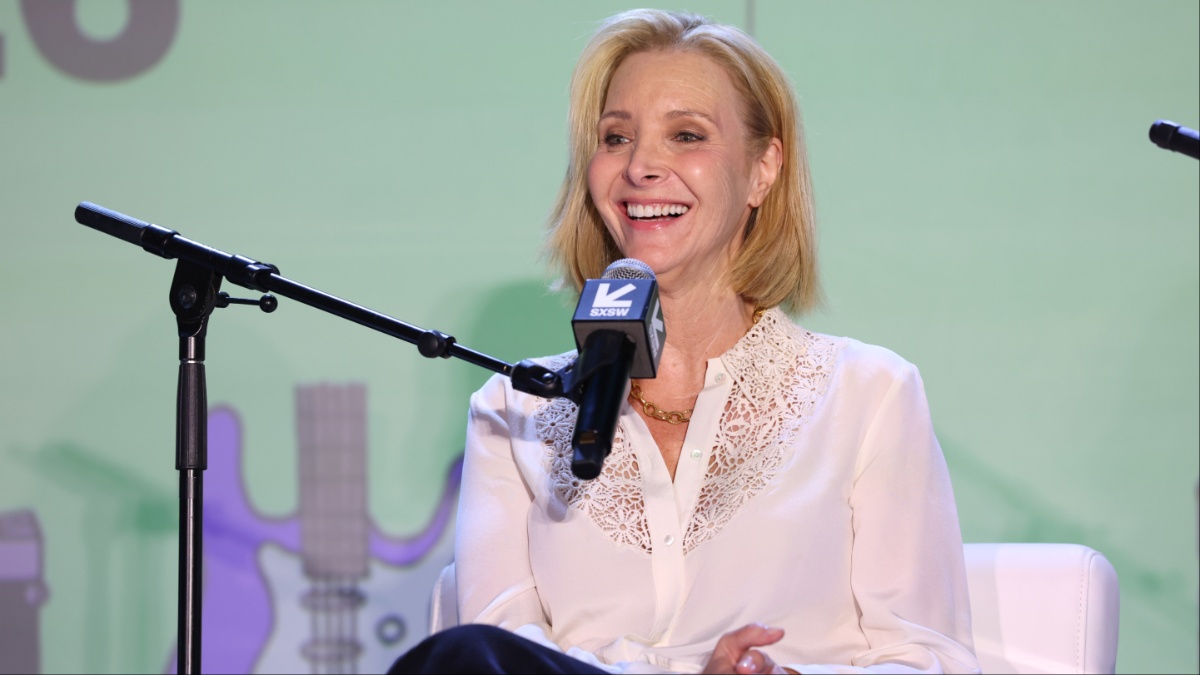
Kudrow, 62, did not shy away from detailing the pressure that came with filming in front of a live audience and working closely with a demanding writing team. Reflecting on her time on the show, she said, “There was definitely mean stuff going on behind the scenes.”
She explained that mistakes during tapings often triggered harsh reactions. “Don’t forget we were recording in front of a live audience of 400, and if you messed up one of these writers’ lines or it didn’t get the perfect response they could be like, ‘Can’t the bitch fucking read? She’s not even trying. She fucked up my line.’”
The actress, who also played Ursula in the series, described the overall tone as intense, noting that much of the criticism came from a writers’ room dominated by men. While the show thrived on comedic timing and audience reactions, Kudrow suggested that the stakes behind the scenes often made the atmosphere far less playful than viewers might expect.
Still, the SAG Awards winner found a way to cope with the tension by keeping her distance from what was said when she was not present. “Oh, it could be brutal, but these guys — and it was mostly men in there — were sitting up until 3 a.m. trying to write the show so my attitude was, ‘Say what you like about me behind my back because then it doesn’t matter,’ ” she said.
‘Friends’ Lisa Kudrow Recalls Moments That Felt Too Far
Beyond the criticism, Kudrow also touched on behavior that made the environment uncomfortable in other ways. According to her, conversations among the writers sometimes crossed a line. “The guys would be up late discussing their sexual fantasies about Jennifer Aniston and Courteney Cox. It was intense.”
Her comments echo long-standing discussions about workplace culture in Hollywood writers’ rooms, particularly during the late 1990s and early 2000s. The issue gained public attention years earlier when a former assistant, Amaani Lyle, filed a lawsuit against Warner Bros. Television over alleged misconduct during her time on the show in 1999.
Lyle claimed that the writers frequently made explicit and offensive remarks, which she was required to document as part of her job. The case eventually reached the United States Supreme Court, which ruled against her, determining that such behavior fell within the scope of the creative process at the time.
While Kudrow made it clear that much of what she experienced happened behind closed doors, her recollections align with broader conversations about how writers’ rooms once operated. The culture she described reflects a period in television production where boundaries were often blurred in the name of creativity.
Today, those standards are being reexamined across the industry, as more actors and crew members speak openly about their experiences. Kudrow’s comments add to that ongoing dialogue, offering a rare firsthand perspective from one of the most iconic sitcoms in television history.
Even as Friends continues to be celebrated worldwide, her remarks serve as a reminder that the story behind the scenes can be far more complicated than what audiences see on screen.