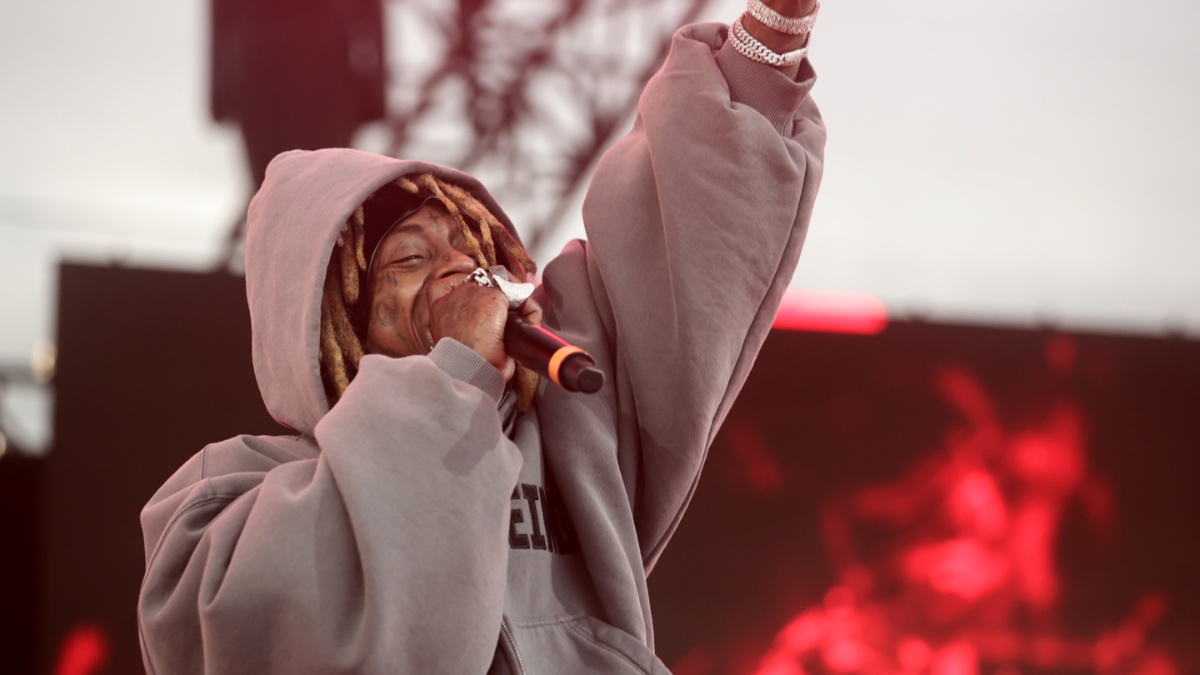
For an artist whose influence helped shape modern rap, being left out of the industry’s biggest stages still stings. Lil Wayne, born Dwayne Michael Carter Jr, recently opened up about feeling overlooked when major cultural moments like Coachella and the Grammys roll around. His words sparked a wider conversation about legacy, relevance, and how even icons can find themselves on the outside looking in.
A Pattern of Being Left Out
Over the years, the absence has become hard to ignore. As events like Coachella Valley Music and Arts Festival and the Grammy Awards return each season with star-studded lineups, Wayne says he keeps noticing the same thing: his name isn’t on the list.
“It’s truly a humbling experience when events like Coachella & the Grammys come around & like clockwork,I’m uninvited & uninvolved,” he wrote on social media. “I appreciate my position or space I hold in ya heart & mind if so bc you’re the humbling experience that’s timeless & 4dat I thk u. Iaintshitwithoutu.”
The statement quickly picked up traction online, splitting fans into two camps. Some saw it as a rare moment of vulnerability from a legend who helped define an era. Others questioned whether calling it out publicly was necessary for someone with such an established legacy.
Still, the reaction highlighted something deeper. It pointed out a growing debate about how the industry treats artists once they move past their peak chart dominance. Wayne’s career includes decades of influence, chart-topping hits, and the launch of megastars like Drake and Nicki Minaj, yet the biggest stages don’t always reflect that history.
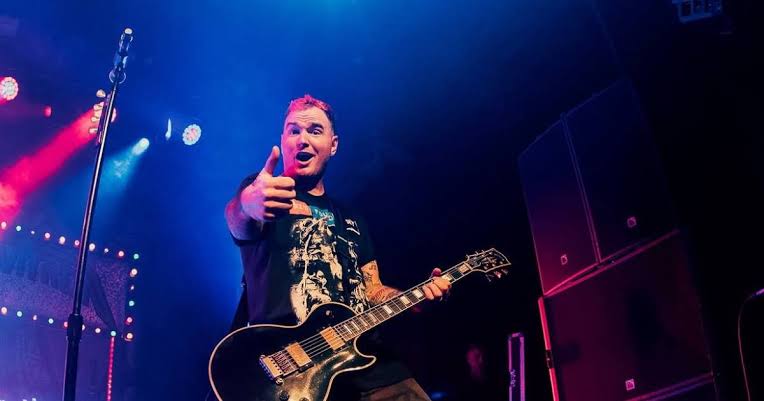
Even Fred Durst stepped in with words of encouragement, suggesting a different approach altogether. “Let’s start our own experience gathering and our own acknowledgment event to welcome all of the uninvited – i’ve got a couple ideas i’ve been working on for quite some while now – happy to elaborate if ever interested – sending good vibes,” he wrote.
Lil Wayne and the Weight of Missed Moments
This isn’t the first time the rapper has spoken about feeling passed over. One of the most personal disappointments came when he wasn’t selected to headline the Super Bowl halftime show in his hometown of New Orleans. Instead, Kendrick Lamar was chosen following a major run of success.
Looking back on that moment, Wayne, 43, didn’t hide how deeply it affected him.
“That hurt. It hurt a lot. You know what I’m talking about. It hurt a whole lot,” he said. “I blame myself for not being mentally prepared for a letdown. And for automatically mentally putting myself in that position like somebody told me that was my position. So I blame myself for that. But I thought that was nothing better than that spot and that stage and that platform in my city, so it hurt. It hurt a whole lot.”
Despite the disappointment, he later found a way to reframe the experience while performing in New Orleans months later.
“I told myself I wanted to be on that stage in front of my mom, and I worked my ass off for that position. It was ripped away from me, but this moment right here… they can’t take this away from me.”
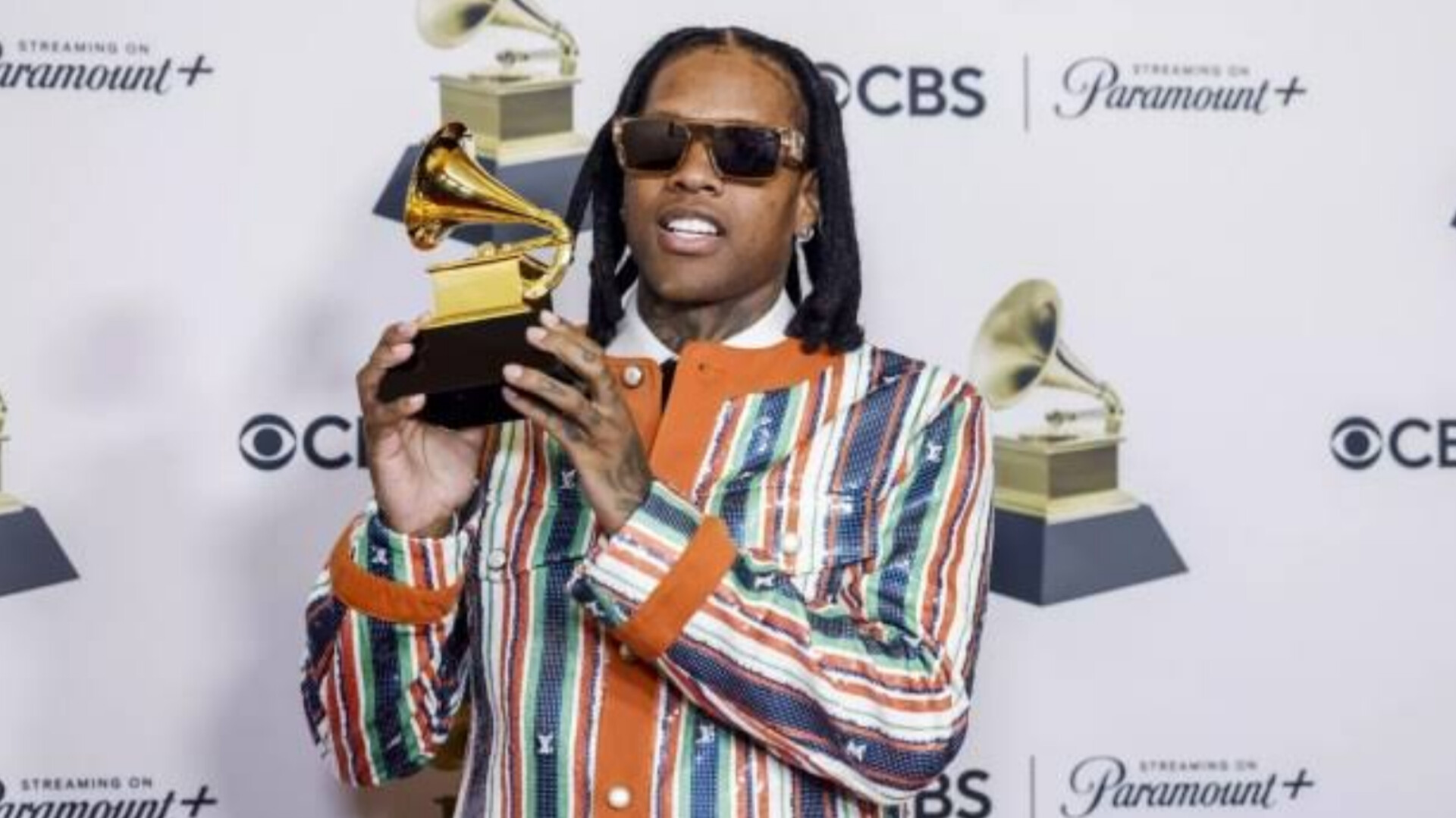
His history with major platforms tells a more complex story than complete exclusion. While he has never performed a solo set at Coachella, he has made appearances in the past. At the Grammys, his presence has been significant. He has multiple wins and nominations, including a major victory for “Tha Carter III.”
But the conversation now isn’t just about past achievements, it’s about present visibility. As newer artists dominate headlines and festival slots, Wayne’s comments tap into a familiar tension in entertainment. It explores how quickly the spotlight shifts, even for those who once defined it.
In the end, his message wasn’t just about not being on a lineup. It was about recognition, timing, and the uneasy reality that legacy doesn’t always guarantee a seat at today’s biggest tables.