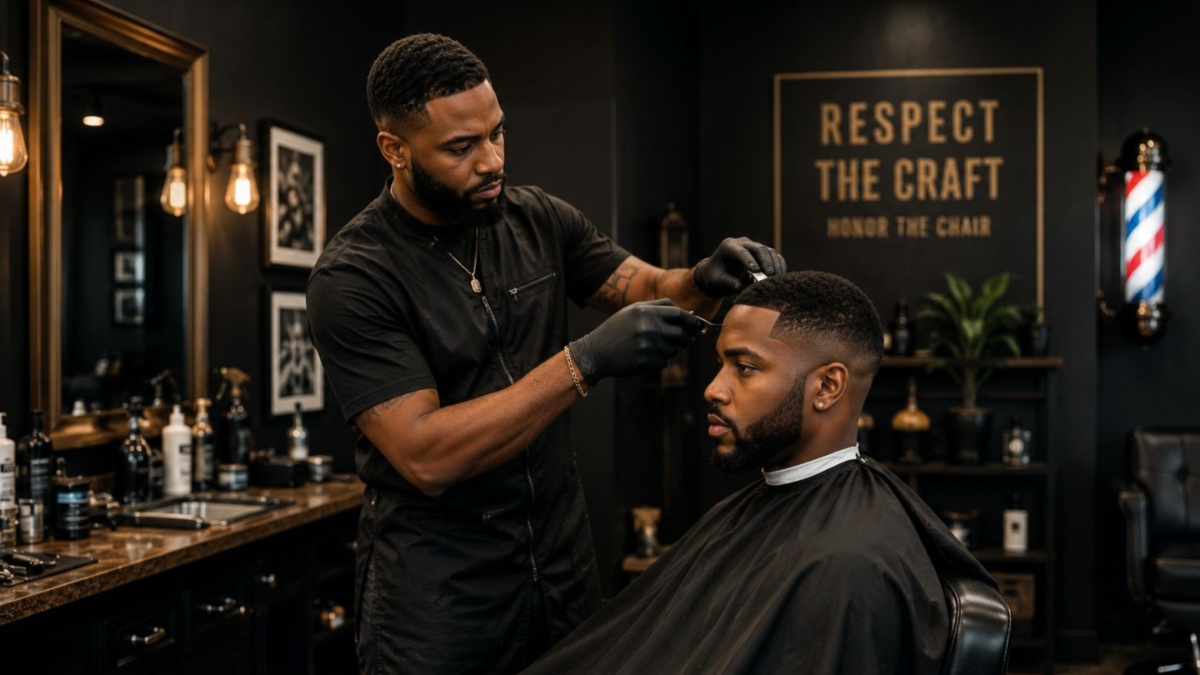
For decades, Black barbershops have served as far more than places for haircuts and sharp lineups. They have operated as gathering spots where conversations flow freely, wisdom travels across generations, and community ties grow stronger. From political discussions to personal struggles, these spaces continue to shape culture in ways many people rarely stop to fully appreciate or understand in modern society.
The History Behind The Black Barbershop
The story of the Black barbershop stretches back to one of the most painful periods in American history. During slavery, many Black men were forced into grooming roles while serving white slave owners. According to the National Library of Medicine, “In the antebellum South, barbering (i.e., hair-cutting and shaving) was a necessary skill for Black slaves serving as valets to White masters. In the free Northern states, owning a barbershop was one of the few businesses open to Black entrepreneurs because cutting hair was perceived as too menial an occupation for Whites.”
Even after slavery ended, opportunities for Black Americans remained painfully limited. Laws and social barriers still restricted where Black people could gather, work, and build businesses. As waves of European immigrants entered the barbering profession and began serving white clients, Black barbers increasingly created businesses centered around their own communities.
That shift transformed the barbershop into something much bigger than a workplace. During the late 1800s and early 1900s, Black barbershops became places where men gathered to exchange ideas, discuss politics, and escape the pressures waiting outside their doors. They became trusted community spaces during periods when Black Americans often lacked safe environments to openly speak their minds.
Those roles only grew stronger during the Civil Rights era. Barbershops became organizing spaces where voter registration efforts were encouraged and conversations about justice took shape. Similar community-driven spaces were also built for Black women by figures like Madam C. J. Walker, whose work created opportunities and empowerment during a deeply unequal period in American society.
Why The Black Barbershop Still Matters Today
Modern Black barbershops still carry the same emotional and cultural weight they held generations ago. Walk into one today and the atmosphere immediately feels familiar. Music plays in the background, sports debates fill the room, jokes bounce between chairs, and someone is always sharing advice whether it was asked for or not.
Yet beneath those everyday moments lies something much deeper.
The barbershop often becomes a trusted space where Black men feel comfortable speaking honestly about life. Conversations about relationships, finances, fatherhood, mental health, and personal setbacks happen naturally without pressure or judgment. In many cases, the barber becomes more than someone providing a service. They become listeners, mentors, and trusted voices within the community.
Young boys sitting quietly in waiting chairs absorb more than haircut styles. They hear older men discuss responsibility, survival, mistakes, and ambition. Those conversations often leave lasting impressions long after the haircut itself is forgotten.
The healing aspect of the barbershop also remains important. For many people carrying stress or emotional burdens, spending time in that environment can feel therapeutic. The casual setting allows difficult conversations to happen organically. Sometimes people arrive for a trim and leave feeling mentally lighter because they were finally able to speak openly.
That emotional openness has helped Black barbershops remain cultural pillars even as the world around them continues to rapidly change.
A Gathering Place That Shapes Community
The Black barbershop has also remained one of the strongest social connectors within many neighborhoods. Friends reconnect there after months apart. Strangers become familiar faces after repeated visits. One conversation can quickly evolve into discussions about business opportunities, politics, music, sports, or family life.
Those interactions often stretch beyond the shop itself. A quick haircut appointment may turn into plans for dinner, drinks, or future collaborations. Over time, friendships, partnerships, and mentorships are formed inside these spaces without anyone formally planning for it to happen.
The exchange of life experiences also broadens perspectives for younger generations. Listening to stories from older men who survived hardships or built successful lives gives younger visitors insight they may not receive elsewhere. Lessons about discipline, resilience, and community pride are passed down casually through everyday conversations.
Despite changes in fashion, technology, and culture, Black barbershops continue to preserve something increasingly rare in modern society, which is genuine face-to-face connection. They remain spaces where people can laugh loudly, speak honestly, and feel understood without needing to explain themselves.
That lasting influence is why Black barbershops remain far more powerful than many outsiders realize. Beneath every fresh fade and lineup sits a living tradition built on survival, connection, and community strength passed from one generation to the next.