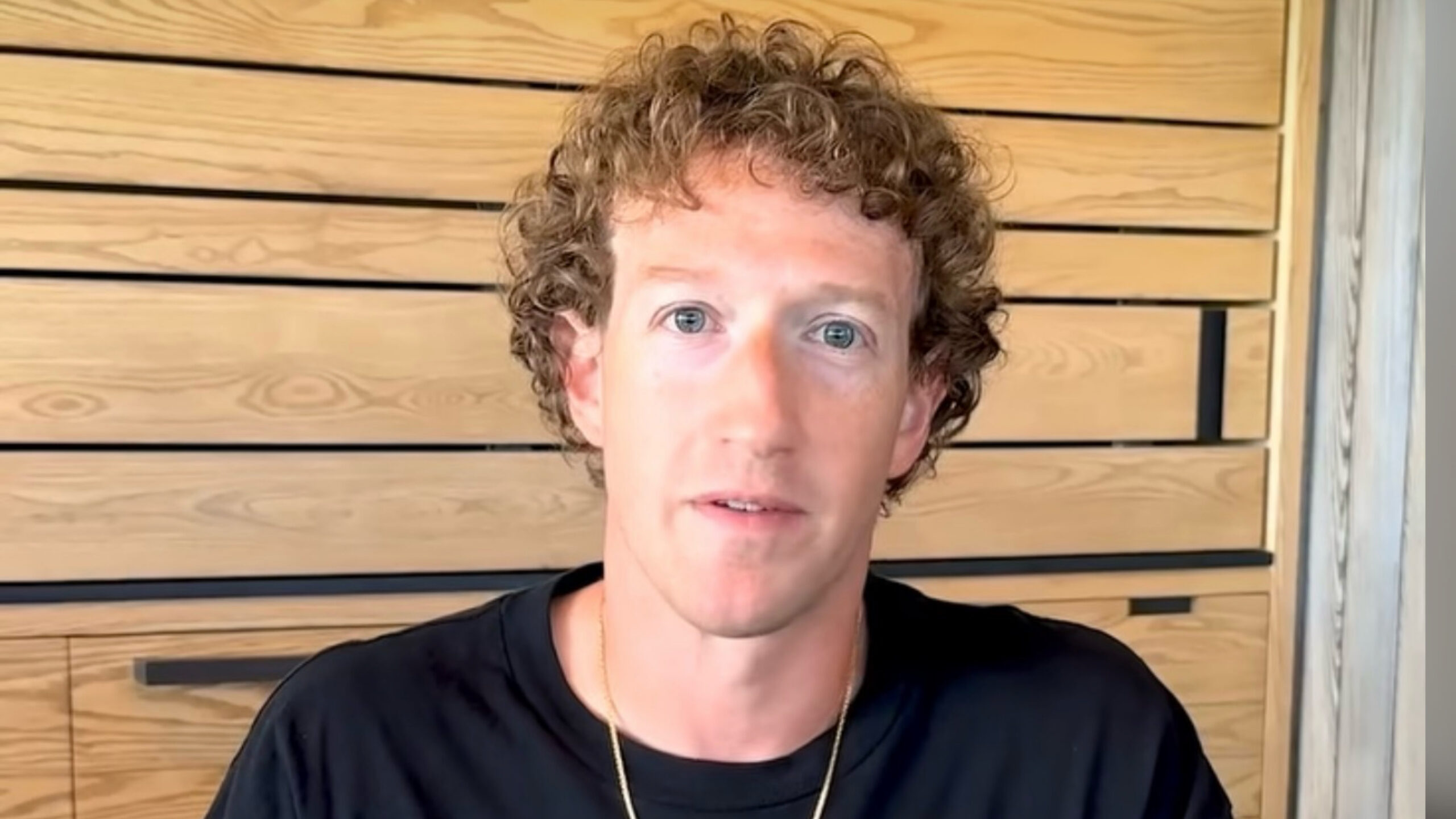
As Artificial Intelligence becomes more embedded in everyday work, many people fear that AI is coming for their jobs. With Meta beginning to lay off about 8000 employees globally, this has become a major concern for many. This is one of Meta’s biggest workforce restructurings in the company’s history, as it aggressively accelerates into artificial intelligence. The massive move shows how AI is reshaping the future of work across tech and other industries.
This layoff reportedly affected almost 10% of Meta’s entire workforce and happened just as Meta increased its spending on AI infrastructure and AI-focused teams. Sources suggest that about 7,000 employees are being reassigned internally to AI-related divisions, even as the company gradually builds itself around AI development.
Meta, which is the parent company of Facebook, Instagram and WhatsApp, has now positioned AI at the center of its long-term future. Mark Zuckerberg, Meta’s CEO, has constantly emphasized that AI is one of Meta’s biggest priorities in the near future, and this recent restructuring has certainly buttressed that point.
Meta’s AI Push Is Reshaping the Company
Multiple reports state that this move from Meta to restructure is directly tied to expanding its AI ambitions. The company has invested heavily in AI systems for advanced assistants, content tools, advertising systems and independent digital agents.
Previously, the company had invested billions into the Metaverse, and is now increasing its investments in AI. Reports suggest that in this year alone, Meta may spend over $100 billion on AI infrastructure and development, including chips, servers, data centers, and specialized AI talent recruitment. At this point, recruitment for previously planned roles has been halted, as all attention has shifted towards AI-powered operations.
The Human Cost Behind the AI Transition
While Meta describes the restructuring as part of a long-term efficiency strategy, these layoffs have sparked wider conversations online. Especially about the growing relationship between artificial intelligence and job displacement. The announcement has further intensified fears among workers across multiple industries of being replaced by AI. Now that many human tasks are rapidly being automated, this fear has become increasingly valid.
Still, reactions online remain divided. While some people believe that AI will assist workers and increase their productivity, others are worried. Their concern is that many companies may intentionally reduce headcount and use AI investment as a justification. Discussions surrounding Meta’s layoff have quickly spread across all social media platforms and online forums. Currently, some tech workers are concerned that this move towards AI could shrink hiring opportunities and increase the pressure to do more, with fewer teams.

The Growing AI Obsession
Meta is just one of the major tech companies that are rapidly reorganizing their operations around artificial intelligence. Across the technology industry, many companies are increasing budgets for AI while reducing workforce size.
Industry analysts say this reflects a bigger move inside Silicon Valley, where AI is increasingly viewed as the next major technological advancement. Now, companies are competing for dominance in AI development and infrastructure. And, competitions like this come with enormous cost implications. In many cases, such huge AI investments often give rise to layoffs and put a halt to recruitment. Especially within industries related to software engineering, customer support, digital media and data processing.
More Than a Meta Story
Beyond the headlines, Meta’s layoffs represent something much bigger happening across the global workforce. AI is no longer a future possibility; it is both now and the future. It is actively influencing how major companies spend money and define productivity. For years, conversations about automation mostly focused on manufacturing and physical labor. Now, AI is beginning to affect creative, technical, and corporate jobs which were previously thought to be safe from automation.
Whether Meta’s AI pivot ultimately strengthens the company or raises deeper concerns around employment, is inconclusive. However, one thing has become clearer. The era of AI is no longer approaching. It is here and now, and companies are building around it in real time.