A short while back, celebrities were like gods, untouchable and admired from afar. Every interview was polished, every outfit carefully curated, and they were often surrounded by so much security that fans could barely catch a glimpse of them in public. It was almost impossible to assess their real personalities, and fans saw them as far beyond than their reach.
Today, there’s been a dramatic change in celebrity PR strategy. Most of the revered celebrities are online, sharing real everyday pictures of their lives and fans have formed an emotional connection with them. They still share flawless videos and perfect pictures, but they also share their struggles and imperfections. Now, audiences are starting to trust celebrities who show up in their funny, vulnerable, messy, self-aware and sometimes chaotic state.
Doja Cat: Mastering Relatable Chaos as the Ultimate PR Weapon
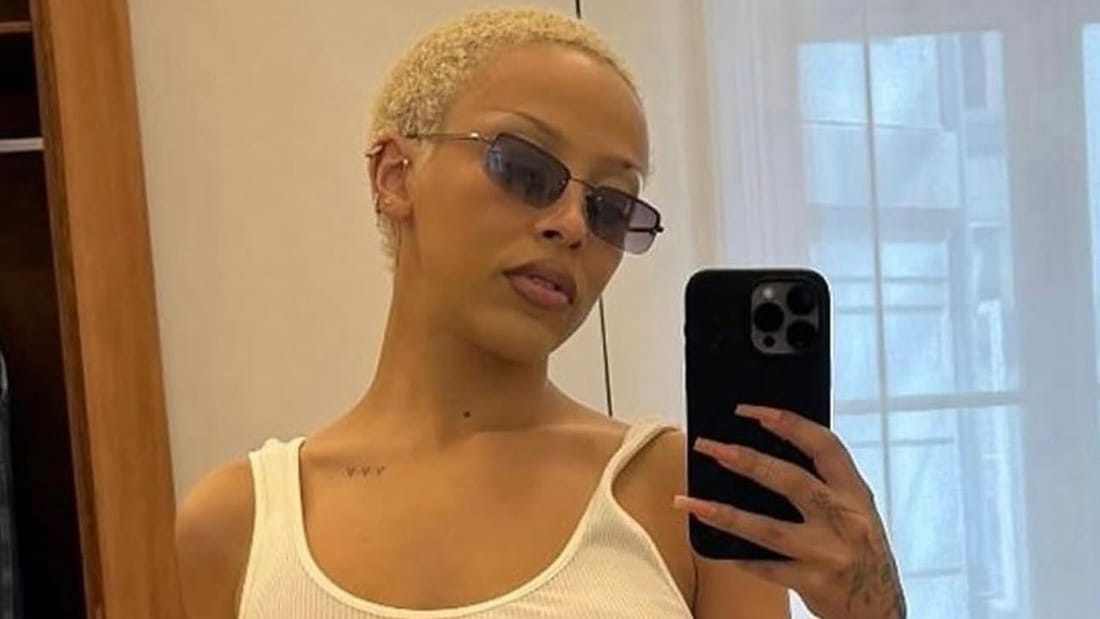
Doja Cat has turned internet native weirdness into a masterclass in modern celebrity PR. From her early viral hits like “Mooo!” to her unfiltered Twitter rants, constant aesthetic reinventions, and meme worthy livestreams, she’s positioned herself as the chaotic best friend who just happens to drop chart topping music and land major brand deals. Unlike traditional pop stars who maintain distance, Doja leans into relatability, openly discussing therapy, body image, and calling out industry nonsense, which has built an intensely loyal fanbase (the Kittenz) that feels like they truly know her.
This approach has delivered clear wins. Her authenticity translates into organic virality that no traditional PR team could buy, powering collaborations with MAC, JBL, and Balenciaga. Fans don’t just consume her music; they share her personality, turning every controversial tweet or outfit into free press. Yet Doja herself has signaled the limits of this strategy. In 2026, she went viral for urging celebrities to “shut the f*ck up,” embrace mystery, and stop oversharing, a fascinating self aware twist that adds depth to the relatable era conversation
Jennifer Lawrence: The Original Blueprint of Relatable Celebrity PR

Jennifer Lawrence pioneered the modern “relatable celebrity” playbook in the early 2010s, transforming from a talented actress into America’s quirky best friend. During the Hunger Games press tours, her infamous moments, tripping on the Oscars red carpet, cracking self deprecating jokes, and sharing awkward stories made her feel refreshingly human in an industry full of polished personas. This deliberate or at least well leveraged authenticity helped her connect with audiences on a massive scale, driving massive box office success and turning her into a relatable role model for a generation tired of untouchable stars.
The strategy paid off handsomely. Lawrence’s down-to-earth image fueled fan loyalty, lucrative endorsements, and an Oscar win, all while making her interviews must watch entertainment. However, the relatable era has its limits. As public fatigue set in and oversharing blurred into scrutiny, Lawrence stepped back toward privacy in recent years, a quiet acknowledgment that constant relatability can erode the mystique that keeps audiences intrigued.
Why Celebrity PR Strategy Works So Well
When it comes to relatability, trust is key. Audiences have become very aware of PR performances and manufactured branding online. Most times, they can immediately tell when something looks overly scripted or fake. With celebrities speaking openly, it feels more human and builds trust. When a celebrity openly discusses anxiety, insecurities, relationships, embarrassing moments or even therapy, there is a stronger connection with the audience, and the post receives stronger engagement. These moments are relatable because the audience can see a human, just like them, instead of carefully curated content. Honest content like these create a strong emotional connection
The Internet Changed Celebrity Culture
The era of social media birthed a new level of connection between celebrities and their fans. Before now, fans only met their favorites through movies, TV appearances, magazines, newspapers or red carpet events. But now, many celebrities speak directly to their audiences almost every day. They post random thoughts, imperfect selfies, awkward videos, family moments and even breakdowns online.
The internet has broken the barrier that previously kept celebrities from their fans, and this has built strong emotional connections. People want to feel like they know the celebrity beyond the image, and social media does that quite well.
Vulnerability Has Become a Branding Tool
Interestingly, being vulnerable has become a big part of managing celebrity image. It doesn’t mean that celebrities are being fake online, but public sharing is part of modern PR culture, too. Celebrities understand that people connect more with real stories and honest conversations. Fans naturally support the people they’re more connected to. This is why many public figures now discuss mental health, personal struggles, relationships, grief, burnout and identity much more openly than before.
On the flip side, audiences are also learning to recognize fake performances dressed as vulnerability. As such, celebrities must learn to maintain the delicate balance. Too polished content often feels distant, and too calculated content seems manipulative. The most successful public figures usually sit somewhere in the middle.
Why This Era Is Bigger Than Celebrity Culture
Relatability has become valuable across internet culture generally, not just in the entertainment industry. Influencers, creators, entrepreneurs and even brands now try to appear more emotionally human online. People are naturally drawn to performances that feel human and familiar. Tired of perfectly curated internet culture, they are drawn toward content that’s familiar and authentic, even if imperfect.
This is the emotional connection that keeps audiences interested, more than perfect pictures. The “relatable celebrity” era works well because it makes fame feel less distant, more human and easier for audiences to connect.