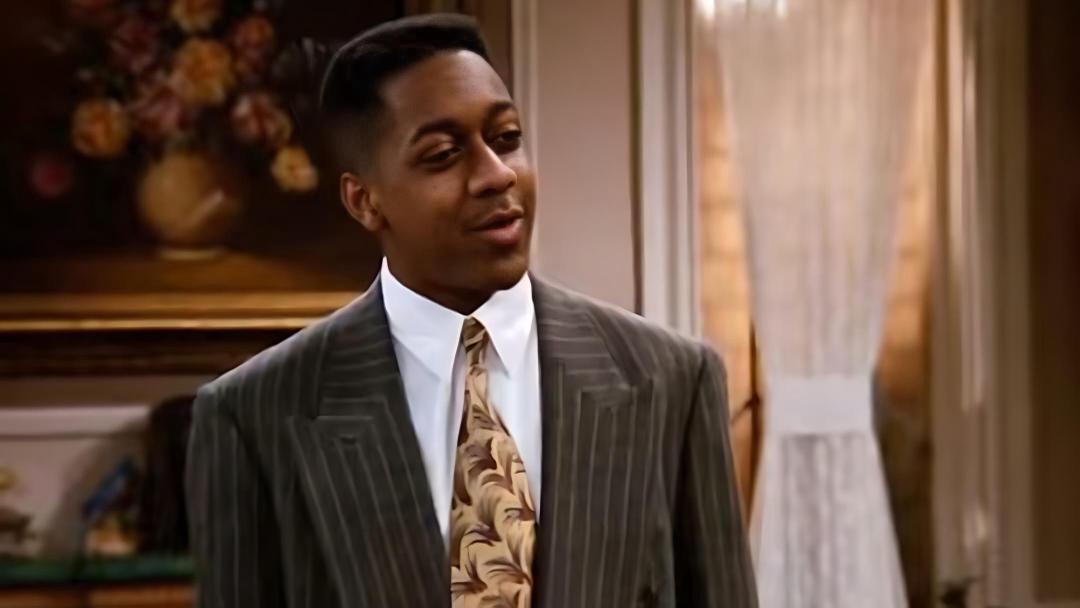
When an actor delivers a role so perfectly, people often forget that it’s acting and start calling them the character’s name. In the entertainment industry, this is not rare. Sometimes some sitcom characters become more famous than the actor.
In some of the greatest comedy series, audiences become so emotionally attached to the characters. This is because they spent years watching the same people navigate life, family drama, relationships, awkward moments and every day. Over time, these fictional characters start to feel real. And for many actors, this kind of fame can shape their entire career.
Why Sitcom Characters Become So Memorable
Audiences form a unique relationship with comedy series. Unlike movies, where casts move on quickly, sitcoms run for years and viewers can grow alongside their favorite characters. They become emotionally attached because they are so familiar with the habits, jokes, and flaws of their characters.
Eventually, the character becomes bigger than the storyline itself. Also, people naturally remember scenes that made them laugh during stressful periods in their lives. This is one of the many reasons why sitcom characters remain culturally relevant long after the end of a series.
When Fictional Characters Overshadow Real Actors

One major example is Joey Tribbiani from Friends, played by Matt LeBlanc. Joey’s charming personality and famous “How you doin’?” catchphrase became globally recognizable. While Matt LeBlanc moved on to other acting projects, many audiences still associate him with Joey.
Steve Urkel from Family Matters, played by Jaleel White, is one of the clearest examples of a sitcom character becoming larger than the actor himself. Urkel’s voice, suspenders, catchphrases, and exaggerated personality became so iconic that many viewers found it difficult to separate the two personalities. Similarly, Dwight Schrute from The Office, performed by Rainn Wilson, became a defining pop culture figure. Dwight’s intense personality, strange humor, and lovable seriousness made him one of the most quoted and meme-heavy characters in modern sitcom history. For many fans, Dwight remains the character most strongly associated with Rainn Wilson.
The Internet Keeps Sitcom Characters Alive
Streaming platforms and social media have completely changed the lifespan of sitcom characters. Before now, older television shows slowly faded after ending. However, the internet has helped sitcom characters remain relevant years later and still find new audiences online.
Shows like Friends, The Office, and Seinfeld are now being discovered by younger viewers who were not even born when the series originally aired. The internet keeps iconic sitcom moments alive through:
- memes
- TikTok edits
- GIFs
- reaction images
- short video clips
Sitcom characters now exist far beyond television itself and have become a part of digital culture. This constant online visibility helps fictional characters remain relevant for much longer than actors sometimes do.
The Downside of Playing an Iconic Character
While playing a beloved sitcom character can make an actor well-known and loved by the audience, it can sometimes become difficult for them. The truth is, once an audience strongly connects an actor to a certain role, it is difficult for them to see the actor perform in different roles in the future. This is known as typecasting.
For example, Jim Parsons became deeply connected with his role as Sheldon Cooper from The Big Bang Theory. Sheldon’s socially awkward personality and highly specific mannerisms became so recognizable that audiences often connected Jim Parsons directly to the Sheldon character outside the show itself.
The same thing happened with Rowan Atkinson through Mr Bean. Many audiences all over the world recognise Mr Bean immediately, but barely know Rowan Atkinson as his real name. For many actors, it takes years to escape that identity. For others, they fully embrace it because only a few TV characters become so relevant in the entertainment industry.
Why Audiences Never Let Go of Certain Sitcom Personalities
Sitcom characters survive because they become attached to emotional familiarity. Audiences often return to comedy series during stressful periods, lonely times, or even when they just want comfort and humor. This emotional connection explains why sitcoms are endlessly rewatchable because audiences are rewatching their familiar favourites on screen. The ones that made them feel seen and understood.
In many ways, sitcom characters exist inside everyday conversations and internet culture. Long after the actors move on to other projects, some sitcom personalities remain frozen in pop culture forever. And sometimes, those fictional characters end up more famous than the people who played them.