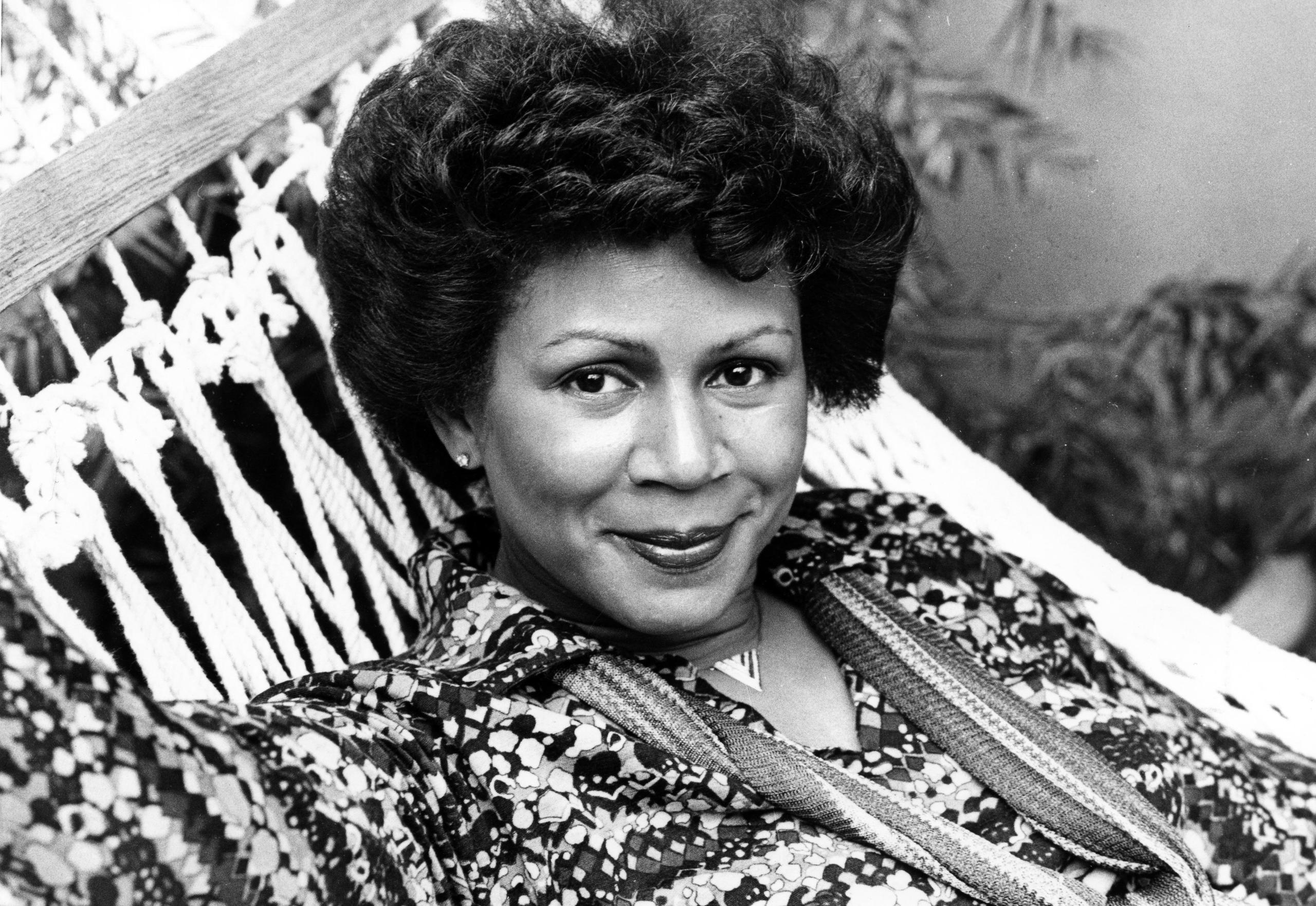
Minnie Riperton is best remembered as the extraordinary voice behind “Lovin’ You,” but her story extends far beyond music. After being diagnosed with breast cancer, she chose to speak publicly about the disease at a time when many people still kept cancer behind closed doors. Her openness turned a deeply personal experience into part of her public legacy.
How Did Minnie Riperton Die?
Minnie Riperton died from breast cancer on July 12, 1979, at age 31. She was diagnosed in January 1976. According to the Concern Foundation, the cancer had metastasized, and she was given about six months to live. Riperton did not abandon her career after she was diagnosed; instead, she continued recording and performing, even as her health declined. She kept touring when she could, choosing to spend the time she had left doing the work she loved rather than retreating from public life.
On Aug. 24, 1976, she appeared on “The Tonight Show” and revealed that she had undergone a mastectomy in April following her diagnosis in January. Riperton died in her husband’s arms in Los Angeles, while listening to a recording Stevie Wonder made for her. She left behind her husband and their two children, Marc and Maya.
Why Did Minnie Riperton Speak Publicly About Breast Cancer?
Riperton’s diagnosis could have remained a private family matter. But she decided to talk about it publicly and use her platform to encourage cancer awareness. She became a spokesperson for the American Cancer Society.
On April 4, 1977, President Jimmy Carter presented Riperton with the Cancer Courage Award at the White House. He recognized her openness about her illness and the inspiration she gave to others facing cancer. Riperton was recognized as one of the leading voices on a subject too many were scared to broach, but cancer never defined her.
After her death, Riperton’s advocacy continued. Her husband, Richard Rudolph, later established the Minnie Riperton Legacy Fund through the Concern Foundation to support cancer research. The fund has raised and granted more than $1 million.
What Made Minnie Riperton’s Voice So Special?
Before she openly advocated for cancer awareness, Minnie Riperton was already an established singer. Born Nov. 8, 1947, in Chicago, she studied music at a young age and later performed with the psychedelic soul group Rotary Connection before launching her solo career in 1970. Through the Rotary Connection, she gained early exposure to a psychedelic, genre-blending sound that influenced how she later approached her own material. She mixed pop, soul and orchestral arrangements in a way few artists of her era attempted.
She was best known for “Lovin’ You,” the 1975 hit that reached No. 1 on the Billboard Hot 100. The song appeared on her 1974 album “Perfect Angel,” produced by Stevie Wonder. Riperton became especially known for her five-octave vocal range and use of the whistle register.
Her work with Stevie Wonder helped bring her distinctive voice to a much bigger audience. Beyond those remarkable high notes, Riperton spent years developing her sound before “Lovin’ You” became her signature song.
What Was the Story Behind “Lovin’ You”?
The story behind “Lovin’ You” makes the song even more personal. Riperton and her husband, Richard Rudolph, wrote the song, which began coming together in the early 1970s. The melody was originally used as a lullaby for their daughter, Maya, before Riperton and Rudolph developed it into the song that later became her biggest hit.
Who Is Minnie Riperton’s Daughter, Maya Rudolph?
Maya Rudolph grew up to become an actor, comedian and musician. She was 6 when her mother died in 1979, just 15 days before her seventh birthday. Rudolph later pursued music before joining “Saturday Night Live” and building a successful career in film and television. She became known for sharp comedic timing and a string of memorable film roles, carving out her own identity in entertainment rather than being defined solely by her mother’s legacy.
Rudolph has spoken openly about how growing up with famous musical parents influenced her and helped her find her own path in entertainment. There is also a personal touch in “Lovin’ You.” Near the end of the song, Riperton sings Maya’s name, a small detail that connects one of her biggest hits to her daughter.
How Minnie Riperton’s Legacy Lives On
Minnie Riperton’s legacy extends beyond her distinctive voice. Her willingness to speak boldly about breast cancer became an important part of her story. Her family continued that work after her death, keeping the Minnie Riperton Legacy Fund active for decades. That kind of legacy, built for decades by people who chose to keep someone’s memory alive, is its own form of tribute. It’s the same instinct behind tributes to other figures whose impact outlasted the spotlight.
Although Riperton died young, she had already made a lasting impact well beyond music. She showed that a woman could talk about breast cancer without allowing the diagnosis to erase everything else she was: singer, mother, wife, performer and advocate.
More than four decades later, Riperton’s story still matters because she left behind more than a song people remembered. She left behind a reason to keep talking about a disease that, in her time, too many people were afraid to name.