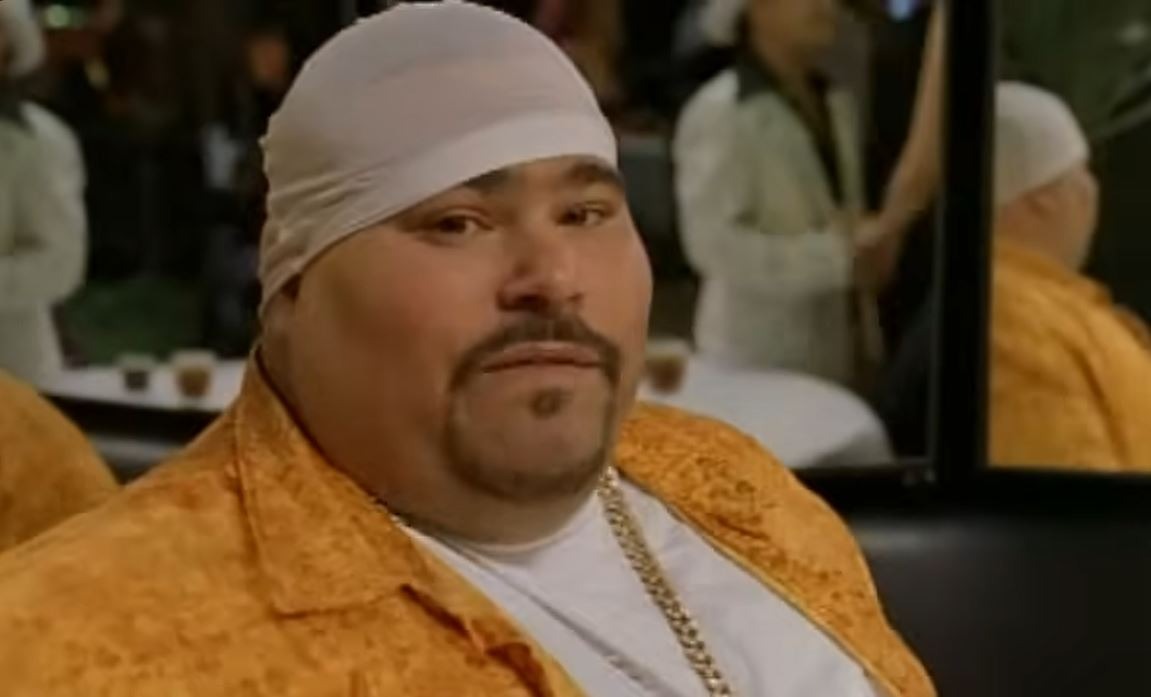
Big Pun died of heart failure on Feb. 7, 2000, in White Plains, New York, at age 28. An autopsy later found that the rapper, born Christopher Rios, had extreme obesity and an enlarged heart that was about three times the size of a normal heart.
His death cut short a career that had already made hip-hop history. Big Pun became the first solo Latino rapper to have a platinum-selling album when “Capital Punishment” broke through in 1998, while his rapid-fire delivery, dense rhyme patterns and unmistakable presence established him as one of rap’s standout voices of the late 1990s.
His rise was closely connected to fellow Bronx rapper Fat Joe, who helped introduce Pun to a wider audience. More than two decades later, Pun’s brief career continues to be remembered for both his groundbreaking commercial success and his influence as a lyricist.
How Did Big Pun Die?
The Los Angeles Times reported that he died of heart failure. Westchester County medical examiner Louis Roh said an autopsy found that Pun had extreme obesity and an unusually enlarged heart that was about three times the size of a normal heart.
A separate Washington Post report said the autopsy showed that obesity had severely damaged Pun’s heart and lungs. Contemporary reporting placed his weight at roughly 700 pounds around the time of his death.
Pun had made efforts to improve his health before his death. A contemporary SonicNet report said he attended a weight-loss program at Duke University in 1999, where he lost between 80 and 100 pounds before leaving the program and later regaining the weight.
His death came while his career was still moving forward. His completed second studio album, “Yeeeah Baby!,” was already being prepared for release. Pun was survived by his wife and three children.
Who Was Big Pun Before He Became a Hip-Hop Star?
Rios was born on Nov. 10, 1971, in the Bronx, New York. He grew up in the South Bronx’s Puerto Rican community and became interested in rapping and breakdancing while he was young.
According to AllMusic, he performed under the name Big Moon Dog and formed the Full a Clips Crew with friends in 1989. He later adopted the name Big Punisher, eventually shortening it to Big Pun. His major break came after meeting Fat Joe in 1995.
Pun appeared on Fat Joe tracks including “Fire Water” and “Watch Out,” then gained more underground attention through Funkmaster Flex’s “The Mix Tape, Vol. 1” and the Beatnuts’ “Off the Books.” His own “I’m Not a Player” followed in 1997. With Fat Joe’s help, Pun secured a record deal with Loud Records and began working toward the album that would make history.
Big Pun’s ‘Capital Punishment’ Made Hip-Hop History
Released in 1998, “Capital Punishment” debuted at No. 5 on the Billboard 200 and became the album that established Big Pun nationally. AllMusic reports that the project went on to sell more than 2 million copies.
Its success made Pun the first solo Latino rapper to have a platinum-selling album, an achievement that marked a major breakthrough for Latino artists in mainstream hip-hop.
Big Pun’s “Capital Punishment” era also produced his signature crossover hit, “Still Not a Player,” featuring R&B singer Joe. The song became Pun’s biggest pop success and reached the Top 40 of the Billboard Hot 100.
“Capital Punishment” also brought Pun his only Grammy nomination. The Recording Academy lists the album among the nominees for Best Rap Album at the 41st Annual Grammy Awards in 1999.
Commercial success was only part of Big Pun’s reputation. He became known for packing complex internal rhymes and multisyllabic wordplay into remarkably fast deliveries. AllMusic described him as a nimble rapper whose clever, tongue-twisting rhymes arrived at a “torrential pace.”
Fat Joe was similarly struck by Pun’s technical ability. Speaking after Pun’s death, he recalled being impressed by his delivery and “tongue-twisting metaphors”. Songs including “Twinz (Deep Cover 98),” “Beware,” “The Dream Shatterer” and “Super Lyrical” helped build the lyrical reputation that survived long after Pun’s brief recording career.
Why Big Pun’s Legacy Still Matters
Big Pun’s music continued reaching audiences after his death. “Yeeeah Baby!” arrived in April 2000 and debuted at No. 3 on the Billboard 200, making it the week’s highest-charting new release.
The album’s commercial life continued for years. The Recording Industry Association of America’s October 2017 awards report shows that “Yeeeah Baby!” received platinum certification on Oct. 31, 2017.
Pun’s influence also remained personal for the artists around him. Fat Joe has repeatedly championed his friend’s place among hip-hop’s great lyricists, while Remy Ma has credited Pun with introducing her to Fat Joe.
“He’s the one who introduced me to Joe,” Remy told CBS News while she and Fat Joe reflected on carrying Pun’s legacy forward. More than two decades after his death, “Still Not a Player” remains one of Pun’s defining recordings, while “Capital Punishment” remains the album most closely associated with his historic breakthrough.
Big Pun did not live long enough to see how far his influence would extend. But in a career compressed into only a few years, he became a Grammy-nominated lyricist, opened a significant door for Latino rappers in mainstream hip-hop and left behind music that continued reaching milestones long after his death.