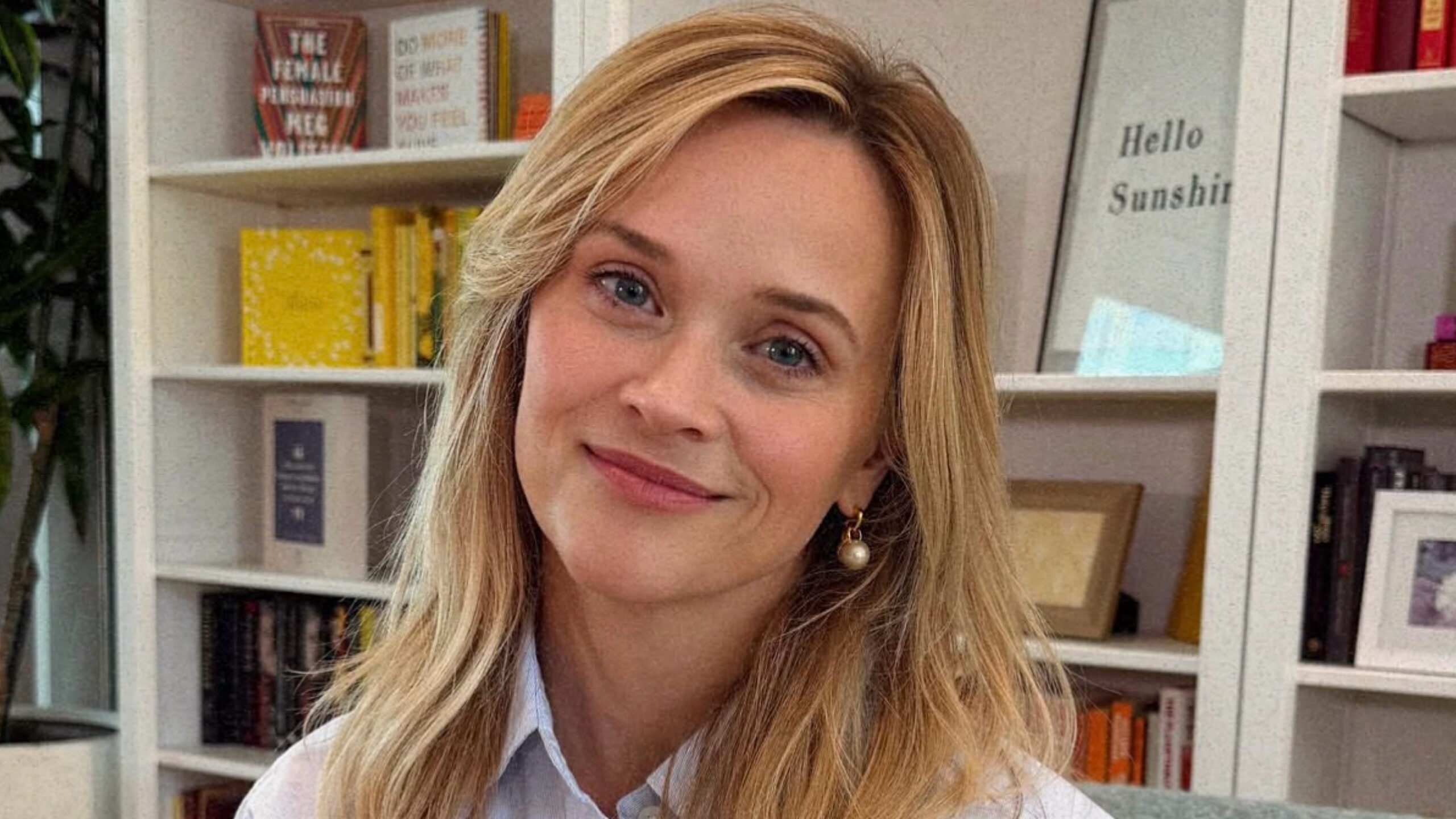
Reese Witherspoon’s postpartum depression conversations have offered a candid look at how differently the condition can affect the same mother after separate pregnancies. The actress and producer, who has three children, has revealed that her postpartum experiences were far from identical.
After one child, she experienced what she described as mild postpartum depression. After another, the symptoms became severe enough that she needed medication. In a separate postpartum period, she said she did not experience postpartum depression at all.
Witherspoon’s story does not mean every mother will experience the condition in the same way. Instead, it reflects what the National Institute of Mental Health NIMH) says about postpartum depression: Symptoms and severity can vary widely from person to person.
Reese Witherspoon’s Postpartum Depression Was Different Each Time
During a 2020 appearance on Jameela Jamil’s “I Weigh” podcast, Witherspoon explained that her mental health changed after each of her three children. She said one postpartum period was “kind of mild,” while another was severe enough that she needed what she called “pretty heavy medication” because she was not thinking clearly.
Another postpartum period did not involve depression at all. Witherspoon did not say which child corresponded with each of those experiences, making it important not to attach the mild, severe or symptom-free periods to a specific pregnancy.
In the same “I Weigh” interview, she spoke more specifically about becoming a mother for the first time at 23. Witherspoon recalled feeling more depressed than she ever had before after she stopped nursing and said she had not been prepared for the emotional and hormonal changes she experienced.
She revisited that period in 2025, describing the months after daughter Ava Phillippe’s birth as particularly difficult. According to People, Witherspoon said she cried frequently, was exhausted and felt happy and depressed at the same time during the first six months. She also said a friend encouraged her to seek professional help, something she acknowledged many mothers may not have the resources to access.
Baby Blues and Postpartum Depression Are Not the Same
Feeling emotional after childbirth does not automatically mean someone has postpartum depression. According to the American College of Obstetricians and Gynecologists, the temporary “baby blues” can include crying, anxiety, irritability, sleep problems and feeling overwhelmed. They often begin a few days after childbirth and typically improve within a few days to two weeks without treatment.
Postpartum depression is more serious than the baby blues. The National Institute of Mental Health describes postpartum depression as depression occurring after childbirth that can involve intense sadness, anxiety, exhaustion and other symptoms severe enough to interfere with everyday activities.
Symptoms can include persistent sadness, hopelessness, irritability, loss of interest in normally enjoyable activities, changes in appetite or sleep, difficulty concentrating and trouble bonding with the baby.
Postpartum depression also does not always begin immediately after delivery. The Office on Women’s Health says symptoms can begin within the first year after childbirth.
Why Postpartum Depression Can Be Different After Every Pregnancy
There is no single cause of postpartum depression, and several factors can influence a person’s risk. According to NIMH, contributing factors can include hormonal changes, life stress and the physical and emotional demands of childbirth and caring for a newborn.
A personal or family history of depression or bipolar disorder, as well as a previous episode of perinatal or postpartum depression, can also increase the risk. Having a previous episode does not mean every later postpartum period will look exactly the same.
Witherspoon’s story illustrates how dramatically symptoms can differ, but it cannot explain why her symptoms changed after each birth. Her story is instead a reminder that mothers should not assume a previous pregnancy predicts exactly how they will feel after another one or expect their symptoms to look like someone else’s.
What New Mothers Should Know About Getting Help
Recognizing that something feels wrong can be an important first step. The Office on Women’s Health recommends contacting a healthcare professional if symptoms last longer than two weeks, make everyday tasks difficult or interfere with caring for oneself or the baby.
Screening can also help identify symptoms earlier. ACOG recommends screening for depression and anxiety at the initial prenatal visit, later in pregnancy and during postpartum visits using standardized, validated tools. Common screening tools include the Edinburgh Postnatal Depression Scale and the Patient Health Questionnaire-9.
Treatment varies depending on the individual but can include psychotherapy, medication or a combination of both. NIMH notes that postpartum depression is treatable and that most women improve with appropriate care. Anyone experiencing thoughts of suicide, self-harm or harming a baby should seek immediate professional or emergency help.
For Witherspoon, speaking publicly has become part of challenging the stigma surrounding postpartum mental health. Her experience is not a blueprint for every mother, but it carries an important message: Symptoms can change from one postpartum period to another, and struggling after childbirth is something worth taking seriously rather than silently enduring.