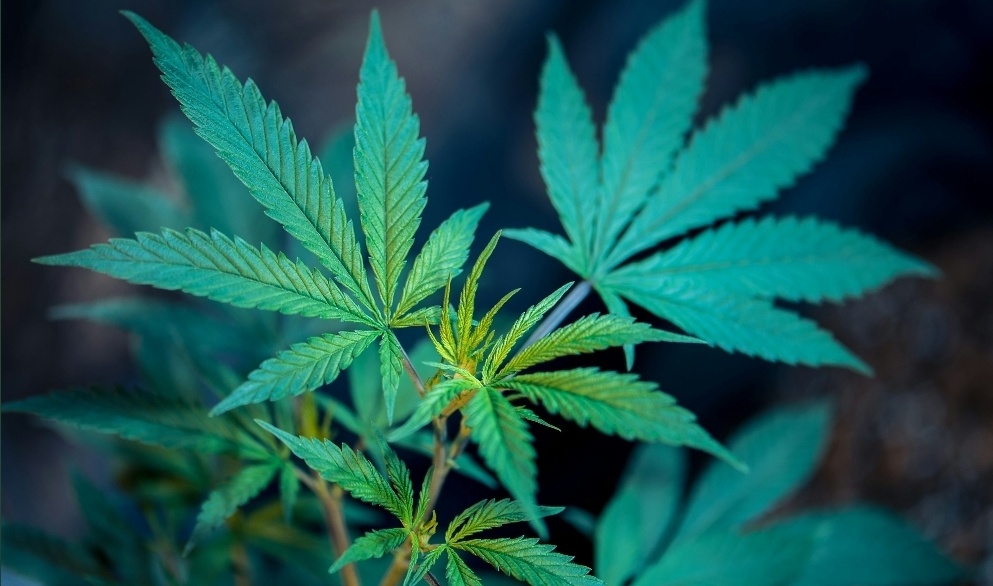
A princely tomb in southern Siberia holds the oldest direct evidence of people using cannabis as an intoxicant, about 2,800 years ago, the University of Bern said in a Nov. 5 release on a study in Science. The ancient cannabis use evidence comes from seeds, DNA and human hair.
The tomb, called Tunnug 1, sits in the Republic of Tyva. Researchers recovered about 1,000 cannabis seeds from it and radiocarbon dated six of them to the early eighth century B.C.
Three Kinds of Evidence
The study, titled “Direct evidence for psychoactive cannabis use 2800 years ago,” combines three separate lines of proof. The seeds show the plant was present. DNA from the seeds identifies it. Hair from the burials showed chemical signals consistent with cannabinol, a compound produced when THC breaks down, along with weak THC signals.
The hair is the part that matters. Seeds in a grave could be food, fiber or offerings. A drug compound in a person’s hair means the person took it in. “DNA preservation is excellent in this case,” said Gino Caspari, an archaeologist at the University of Bern and the Max Planck Institute for Geoanthropology and the study’s lead author.
The Burial at Tunnug 1
The tomb is a royal burial with large horse sacrifices. Excavators found 18 horses earlier and several dozen more since, according to the release. Caspari said the burials were most likely accompanied by human sacrifices as well. “The seeds show that cannabis played an important role in the rituals surrounding the burial,” Caspari said in the release.
The setting changes how the find reads. The earliest dated proof of cannabis as a drug comes from a funeral for an elite, staged with dozens of horses, which places the plant inside ceremony and status rather than everyday use.
What the Study Cannot Say
The authors list the limits. The plants were probably wild. The hair data cannot show how much people used or whether they smoked, burned or ate it. Nothing in the evidence reveals how strong the ancient plants were. The six dated seeds are a small sample of the roughly 1,000 recovered, less than 1%, a calculation from the two figures. The dating applies to those seeds, and the burial context ties the rest to the same event. The paper appears in Science, volume 394, issue 6824.