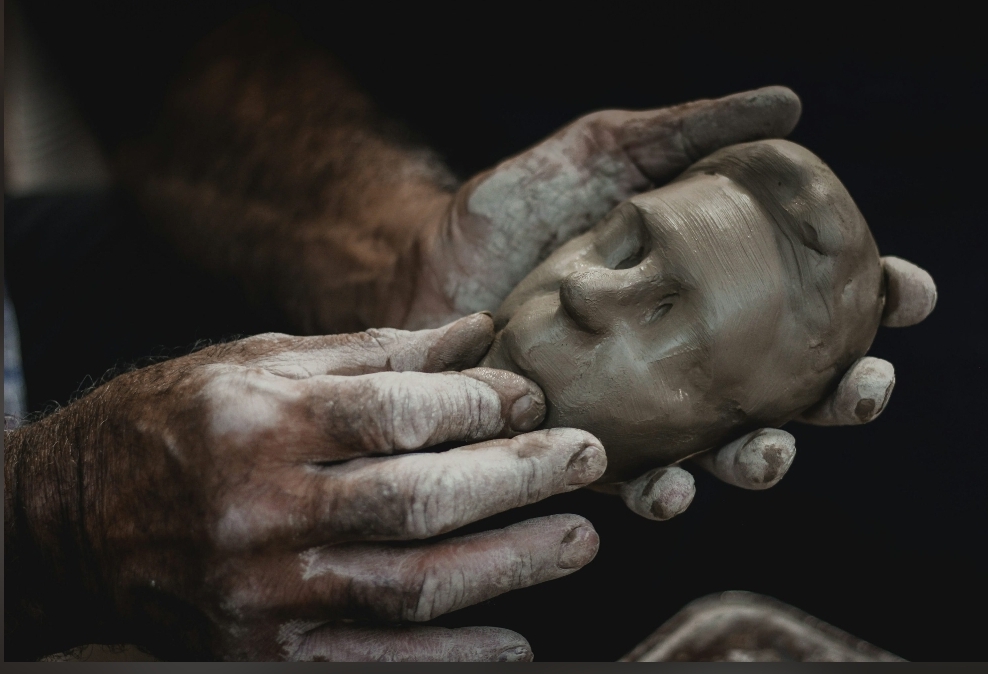
Children and adults made the oldest known clay figurines in Southwest Asia about 15,000 years ago, and some of the children were likely younger than 10, the Hebrew University of Jerusalem said in a Nov. 11 release. One human figurine carries overlapping fingerprints from an adult woman and a child.
The release says the find pushes the region’s clay figurine tradition back by up to 3,000 years. Clay figures are usually linked with later farming societies, and these came from some of the first people to settle in villages, and children took part.
What the Researchers Found
The study, “Modelling symbols among the first-sedentary communities: Emergence of clay figurines in Epipaleolithic Southwest Asia,” appears in PLOS ONE. Researchers re-examined clay from three Natufian sites in Israel: el-Wad Terrace, Hayonim Terrace and Eynan-Mallaha. The Natufians lived from about 15,000 to 11,650 years ago. They found more than 1,000 artifacts in about 40 kilograms of clay lumps, including 154 figurative pieces: 15 figurines and 139 cylinders that the authors read as probable body parts and appendages. Only two figurines are complete.
Fingerprint analysis showed both adults and children shaped the pieces. On the human figurine with two overlapping prints, one came from a young adult or adult woman and the other from a child who had not reached puberty. The release suggests the object passed between them while it was being made. “These discoveries change how we understand the beginnings of artistic expression in this region,” said Laurent Davin of the Hebrew University of Jerusalem, the study’s lead author.
Why Most of the Figurines are Birds
Eleven of the 15 figurines are birds, about 73%, a calculation from the release’s count. The rest include a mammal, a gazelle and two human forms. Ten of the 11 birds show traces of red colorant, according to the paper. Some of the birds hold their heads lowered and turned. The paper matches that pose to a courtship display in ducks, in which the male scoops its bill across the water’s surface.
If that reading holds, the makers were modeling behavior they had watched closely, and the figures double as some of the earliest records of birdwatching. One Early Natufian figurine is the earliest known use of engobe, a thin layer of colored clay applied to the surface, which the team identified with electron microscopy. Nine of the 15 figurines and 42 of the cylinders, about 30%, show contact with fire.
What the Study Cannot Say Yet
The authors call the work preliminary. Most pieces are fragments. The team has not yet identified where the clay came from or what the colorants were, and it cannot yet say whether the pieces were fired on purpose or heated by accident. The species, postures and meanings of the figures are presented as hypotheses. The researchers plan to test the clay’s mineral makeup, analyze the colorants and use heating tests to separate deliberate firing from accidental burning.