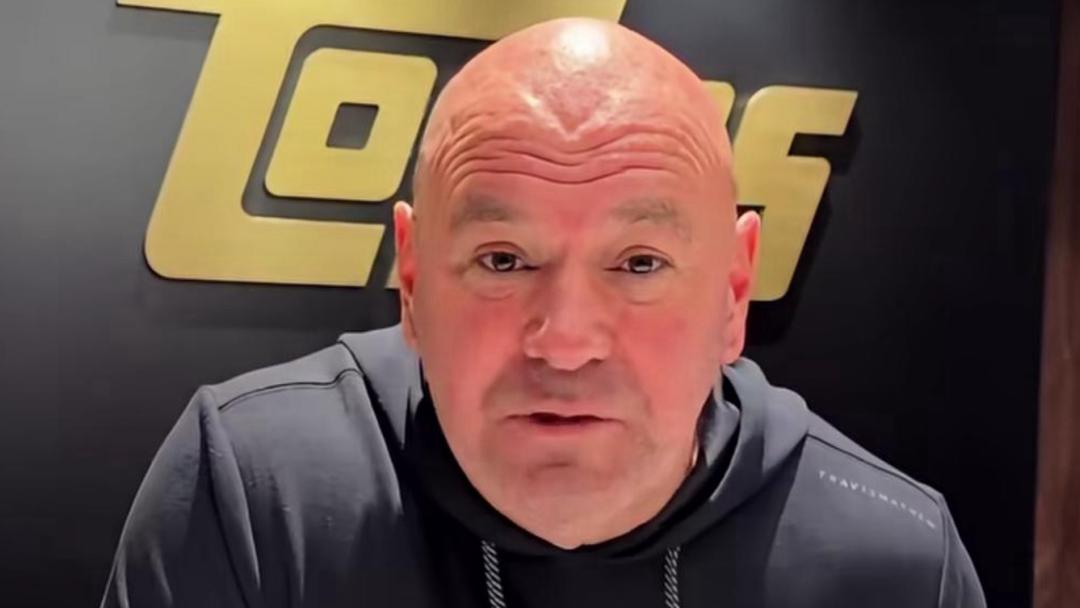
Dana White is currently facing online criticism after his comments about men’s mental health on the Katie Miller podcast. The American businessman and sports executive, best known as the president and CEO of the Ultimate Fighting Championship (UFC), has sparked backlash after questioning why men should openly discuss emotional struggles online, describing it as “unattractive”. According to him, men are masculine and are to be fully in control of their emotions, be resilient and disciplined, especially in tough times.
The video of his conversation from the podcast has since spread across social media with reactions from creators, mental health advocates, sports fans, and entertainment audiences.
Comments from the Katie Miller Podcast Spark Reactions
During the discussion, White argued that men are traditionally expected to provide, protect, and remain put together, even under immense pressure. However, he expressed concern about the increasing number of men who openly share their emotional struggles instead of handling them in private.
During the conversation, Katie Miller suggested that, indeed, public discussions about men’s mental health may appear unattractive, and White agreed, stating that it was unattractive to both men and women.
Watch a clip from the conversation on the Katie Miller podcast:
Why Dana White’s Remarks Drew Backlash
Many critics claim that Dana White’s take on men’s mental health conversation was archaic and reinforced outdated ideas about masculinity. Especially since mental health discussions are being encouraged across sports, entertainment, and digital culture.
Some people have argued that comments like those Dana White made at the Katie Miller podcast would further discourage many men who are struggling from being open about their emotional distress and seeking support. Others have claimed that issues like burnout, depression, addiction and isolation noticed among men are the repercussions of swallowing their pain in silence for fear of public ridicule. At a time when more public figures and athletes are speaking up about their struggles, many people are upset about White’s comments.
Some critics believe that emotional honesty is equally important for men and women and does not in any way weaken masculinity. Instead, it can exist alongside strength and leadership.
Defenders of White’s Perspective
Despite the criticism, White’s comments have also garnered online support, with some audiences agreeing with his perspective on emotional discipline. Supporters argued that social media often encourages oversharing and public validation instead of building resilience and growing in private.
The reactions following Dana White’s recent comments on men’s mental health during the Katie Miller show have highlighted the divided conversations around masculinity and emotional expression online.
The Growing Conversation Around Men’s Mental Health
Over the last few years, discussions around men’s mental health have become far more visible. Artists, creators and public figures have opened up about emotional pressure, depression, burnout, and even therapy. These conversations have helped others, especially younger men, to speak up and seek support.
Many mental health advocates argue that public conversations should reduce stigma and encourage people to seek support instead of struggling in silence. However, others believe modern culture sometimes pushes emotional exposure too far, especially through social media.
A Debate Bigger Than the Podcast
Dana White has built much of his public image around toughness, pressure, competition, and high performance through his leadership of the UFC. Based on that reputation, his views spread far beyond sports audiences.
This is also not the first time White has been criticized over such comments relating to emotional resilience. Previously in other interviews, he has emphasized endurance and discipline in the face of personal struggles.
Whether audiences agree with Dana White or strongly oppose his comments, these reactions show how sensitive conversations around masculinity and mental health have become in modern culture. More importantly, it highlights how quickly discussions around emotional expression and public vulnerability continue to evolve online.