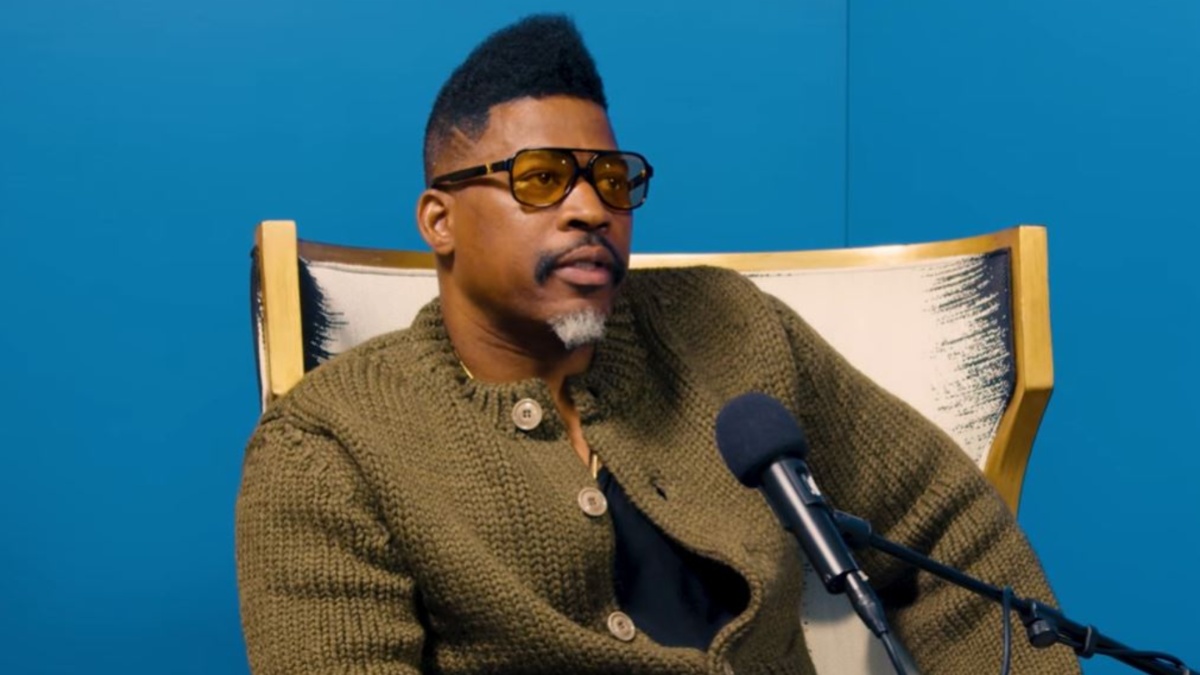
David Banner has spent more than two decades proving he’s far more than a rapper. While his early hits introduced him to mainstream audiences, his career has grown through music production, acting, entrepreneurship, and community leadership. Instead of relying on chart success alone, the Mississippi native built multiple income streams that have sustained his career over time. Those decisions have helped shape David Banner into one of hip-hop’s most versatile figures, with an estimated net worth of $12 million.
From Mississippi Roots to Hip-Hop Success
Born Lavell William Crump on April 11, 1974, in Jackson, Mississippi, David Banner grew up in a family that valued education and service. His father, Zeno Crump Jr., served as Jackson’s district fire chief, while his mother, Carolyn Crump, encouraged academic achievement from an early age.
After graduating from Provine High School in 1992, Banner attended Southern University in Baton Rouge, Louisiana, where he earned a bachelor’s degree in business. During his time there, he also served as president of the Student Government Association, demonstrating leadership skills that would later benefit his career outside music.
Banner later enrolled at the University of Maryland Eastern Shore to pursue a master’s degree in education. However, he eventually left the program to dedicate himself fully to music.
His recording career began as one-half of the Mississippi rap duo Crooked Lettaz alongside fellow rapper Kamikaze. Although their 1999 album Grey Skies earned regional recognition, it wasn’t enough to establish them nationally.
Determined to break through, Banner launched a solo career with the independent release Them Firewater Boyz, Vol. 1 in 2000. His persistence paid off three years later when he signed with Universal Records.
His major-label debut, Mississippi: The Album (2003), introduced audiences to hit singles including “Like a Pimp” and “Cadillac on 22’s.” The same year, he released MTA2: Baptized in Dirty Water, further establishing himself as one of Southern hip-hop’s defining voices.
Over the following years, Banner added Certified (2005), The Greatest Story Ever Told (2008), and The God Box in 2017 to his catalog, cementing a reputation built on both commercial records and socially conscious songwriting.
David Banner’s Net Worth Was Built Through Production
Although David Banner enjoyed success as a recording artist, producing music became one of the biggest drivers of his long-term career.
His signature production style blends booming bass, gospel influences, soulful samples, and layered percussion, helping define the sound associated with Southern hip-hop throughout the early and mid-2000s.
Rather than focusing exclusively on his own music, Banner expanded his reach by producing for other artists. His credits include T.I., Lil Wayne, Trick Daddy, Lil Boosie, Snoop Dogg, Chris Brown, and Talib Kweli, demonstrating an ability to adapt his sound across different styles of rap while maintaining his distinctive musical identity.
Working behind the scenes gave Banner another avenue for success beyond performing. Production royalties, publishing income, and collaborations allowed him to continue growing professionally even during periods when he wasn’t releasing solo projects.
That combination of artistry and business strategy has been central to his financial growth.
Business Ventures Took Him Beyond Hip-Hop
One of his most significant business decisions was launching A Banner Vision, his own production company. The venture gave him greater control over his work while allowing him to branch into film scoring, advertising campaigns, and video game soundtracks. Owning his production company also meant he could generate income from multiple channels instead of depending solely on album sales.
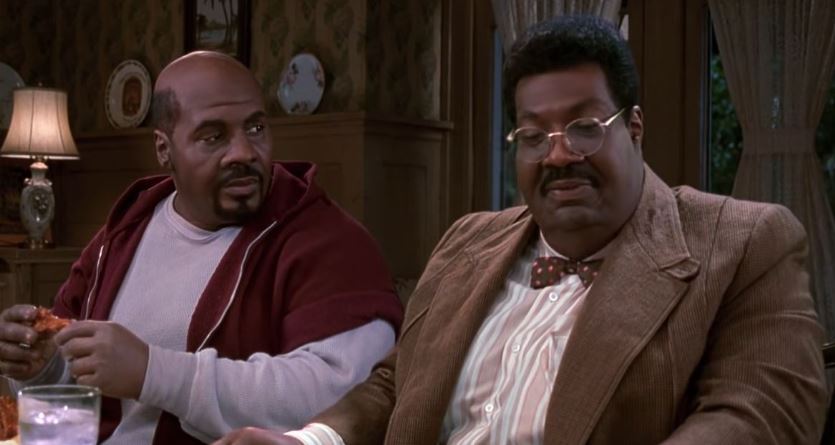
Banner also built a steady acting career. Over the years, he appeared in films including Black Snake Moan (2006), This Christmas (2007), The Butler (2013), and Ride Along (2014). Television audiences also saw him in series such as Empire, Saints & Sinners, and The Family Business: New Orleans, proving he could successfully transition between music and acting.
His work extended into commercial partnerships as well. Banner produced music for campaigns by major brands including Gatorade, Motorola, and Marvel, demonstrating that his production skills had value beyond traditional hip-hop. These projects broadened his professional portfolio while reinforcing his reputation as a producer capable of creating music for different audiences and industries.
Rather than remaining tied to one lane, Banner consistently looked for ways to leverage his talents across entertainment and business. That approach helped him stay relevant while building a career that could withstand changes in the music industry.
Activism Became Another Part of Banner’s Legacy
David Banner has devoted as much energy to community advocacy as he has to entertainment.
Following Hurricane Katrina in 2005, he established the Heal the Hood Foundation to assist residents affected across Mississippi and Louisiana. His efforts earned national recognition, including the Visionary Award presented by the National Black Caucus of State Legislators in Jackson, Mississippi, in 2006 for his humanitarian work.
Banner also became one of hip-hop’s most outspoken voices on social issues. In September 2007, he appeared before Congress during the hearing From Imus to Industry: The Business of Stereotypes and Degrading Images, where lawmakers examined racism and misogyny in hip-hop music.
During his testimony, Banner defended aspects of the culture while acknowledging that broader societal issues shape the music.
“Change the situation in my neighborhood and maybe I’ll get better,” he told members of Congress.
He expanded on that point during his opening statement, saying, “I can admit there are some problems in hip hop but it is only a reflection of what’s taking place in our society. Hip hop is sick because America is sick.”
Those remarks reflected a perspective Banner has maintained throughout his career, that artists often mirror the realities of the communities they come from.
Today, David Banner’s estimated $12 million net worth reflects decades of strategic decisions across music, production, business, acting, and brand partnerships. Yet he has consistently made it clear that financial success isn’t the measure he values most. Speaking with VIBE, Banner said, “So it is my responsibility, if I’ve been able to accrue a certain level of knowledge, that I pass that along to people that look like me.” He also credited lessons from his father, saying, “My dad always told me, ‘You don’t take reverence or put reverence in things that you are supposed to do.’ You had kids? You’re supposed to raise them.”
Reflecting on fame, he recalled advice from fellow rapper T.I.: “If you live by the applause, you’ll die by the boos.” Banner concluded, “I try not to take credit for something that I’m supposed to do.” Those beliefs have shaped a career built not only on commercial success but also on purpose, ownership, and a commitment to leaving a lasting impact beyond entertainment.