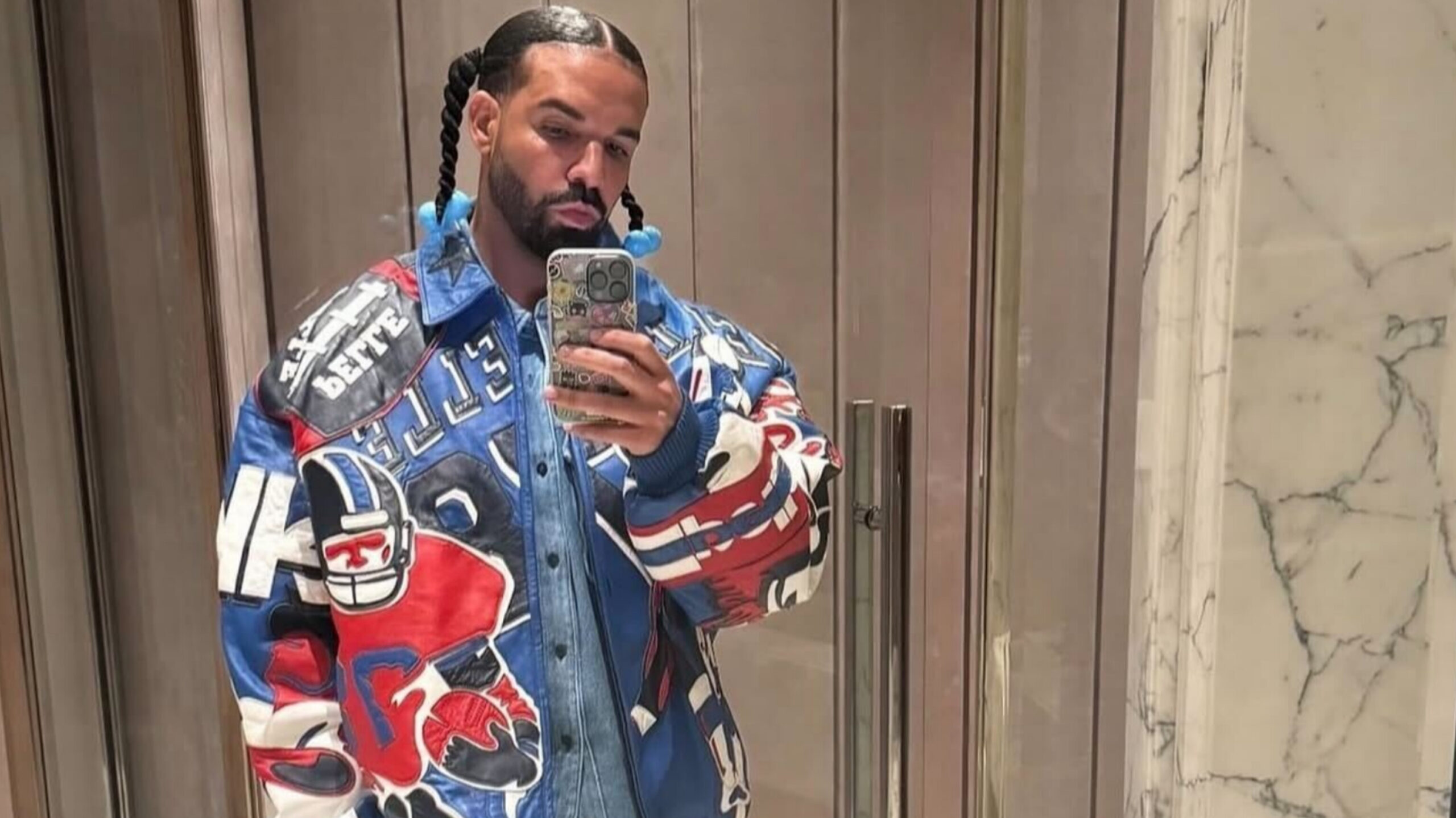
Producer Aviel Calev Hirschfield sued Drake on Oct. 16 in federal court in Los Angeles, claiming the chorus of “Janice STFU” copies a hook he wrote and recorded in early 2026. Drake’s representative denies the claim, and no court has ruled on either side’s account.
What the Drake Janice STFU Lawsuit Alleges
The case is Hirschfield v. Graham, No. 2:26-cv-12115, in the U.S. District Court for the Central District of California. The complaint names Aubrey Drake Graham, known as Drake, along with OVO Sound LLC, UMG Recordings Inc. and Universal Music Publishing Inc. It also lists 20 unnamed Doe defendants.
It pleads a single count of copyright infringement against all of them.Hirschfield, who goes by Avi, lives in Portland, Oregon. The filing describes him as a Grammy Award-winning artist, producer and engineer who produced and co-wrote “Heated” with Drake for Beyonce’s “Renaissance” album. It says he is a “massive fan” of Drake.
The complaint says Hirschfield wrote eight lines of lyrics and a vocal melody between December 2025 and January 2026. It says he recorded vocals in his home studio over instrumental files from the production duo FnZ, Michael Mule and Isaac De Boni, and finished the recording on or about Jan. 25. The filing says the idea began in 2025, when he heard Lykke Li’s “I Follow Rivers” on Apple Music and started thinking about reimagining its hook for a Drake record. It describes the finished chorus as inspired only “loosely” by that song.
According to the complaint, Hirschfield sent the recording to FnZ and other producers who work with Drake and heard nothing back. It says he then heard “Janice STFU” on Apple Music when it came out on or about May 15. The filing alleges the chorus is identical to his work in lyrics, melody and cadence and says Drake “willfully and slavishly copied” it. The complaint does not reproduce the lyrics.
How the Complaint Says Drake Got the Chorus
The complaint pleads access on information and belief. It says FnZ received Hirschfield’s recording and later worked with Drake on “Janice STFU,” and that Drake had access to the chorus through those producers. FnZ are credited as producers on the song, and Drake is the sole credited artist on streaming platforms, according to the filing.
A post from Pulse Recordings, a company whose clients worked on the album, says FNZ co-produced the lead single from “ICEMAN” and that the song debuted at number one on the Billboard Hot 100. The post does not name songwriters. The complaint adds that the track became Drake’s longest-leading number one on the Hot Rap Songs chart and passed 300 million Spotify streams. It attributes the song’s success mainly to the chorus.
The filing says OVO Sound released the song under an exclusive license to Republic Records, a UMG division, and that UMG sold and distributed it. It says Universal Music Publishing administers the publishing rights, licenses the song and collects public performance revenue. Those roles explain why the label and publisher face the same claim as the artist.
What Drake’s Rep Said About the Claim
Drake’s camp rejected the suit the day it was filed. In its own reporting, TMZ quoted a Drake representative who said the allegations are “categorically, unequivocally, and completely denied.” TMZ also reported that the team called the suit a manufactured and baseless attempt to profit from Drake’s name. It reported the team said Drake wrote the song himself and has no connection to or knowledge of Hirschfield.
That last point sits beside the complaint’s claim that Hirschfield co-wrote “Heated” with Drake. The two accounts describe the relationship differently, and the filing does not attach any record of the earlier collaboration. TMZ did not report a response from Hirschfield or his lawyers in its piece.
The complaint describes a dispute that predates the lawsuit. It says Hirschfield assumed at first that he would receive a co-writing credit and royalties. It says defendants maintain that Drake wrote the chorus lyrics and melody alone and that Drake’s litigation counsel sent a cease-and-desist letter telling him not to say publicly that he wrote the chorus. It says defendants turned down every attempt to resolve the matter privately.
The Metadata Dispute in the Drake Copyright Infringement Claim
The filing puts timing evidence at the center. It says Hirschfield’s manager gave Drake’s representatives the stems, the separate audio tracks exported from the recording software he used in January. The complaint says the stems carry intact metadata showing he wrote and recorded the chorus before Drake began work on the song.
It then says that, on information and belief, Drake or his representatives contend Hirschfield manipulated that metadata to make his version look earlier. The complaint calls such a deception “career suicide” for Hirschfield and denies it. Neither side has put forensic analysis of the files in front of a judge, and the complaint attaches the sound recording but not the stems.
Why the Registration Date Matters for Statutory Damages
The complaint seeks actual damages, disgorgement of profits, statutory damages with enhancement for willfulness, interest, attorneys’ fees and costs, and a jury trial. It lists Copyright Registration No. SRu 1-646-991, effective July 21, 2026, for the sound recording.
That date carries weight under Section 412 of the Copyright Act. The statute bars statutory damages and attorneys’ fees for infringement of an unpublished work that began before the effective date of registration. It also bars them for infringement that began after first publication and before registration, unless registration takes effect within three months of first publication.
The following figures are a calculation from dates in the complaint. The song came out on or about May 15 and registration took effect July 21, which is 67 days later. Three months after May 15 is Aug. 15, so a registration on July 21 falls inside that window if the grace period applies. The grace period applies to a published work. The complaint does not say whether Hirschfield’s recording was published, and it alleges only that he sent it to producers. If the recording was unpublished, the first rule applies and the registration came after the alleged infringement began.
The answer turns on facts the filing leaves open. The complaint came 87 days after the registration took effect, a figure also calculated from the filing.
Drake’s Earlier Copyright Litigation Record
Drake has faced music copyright claims in federal court before. In 2020 the U.S. Court of Appeals for the Second Circuit affirmed summary judgment for Drake in Estate of Smith v. Graham, No. 19-28, over a sample in “Pound Cake.” The panel of Judges Guido Calabresi, Rosemary Pooler and Susan Carney wrote that the defendants’ use “is fair use.” The order is a summary order without precedential effect.
That case concerned a sample and a fair use defense. The Hirschfield complaint alleges copying of an original hook and does not describe a sample. The complaint’s own allegations point to access, similarity and the dates on Hirschfield’s files as the questions in this case.
What Happens Next in Hirschfield v. Graham
The case is at its first stage. The complaint lists no assigned judge, and the document contains no response from any defendant. Hirschfield’s lawyers at Kinsella Holley Iser Kump Steinsapir LLP, Gregory Korn, Jonathan Steinsapir and Lex Conboy, filed the case. Drake’s representative has denied the allegations in full.