The Dave and Cheryl Duffield Foundation announced a $250 million commitment over five years to expand nonprofit, community-based veterinary care across the United States, one of the largest private philanthropic pledges ever made specifically for that purpose.
The Scale of the Problem the Gift Targets
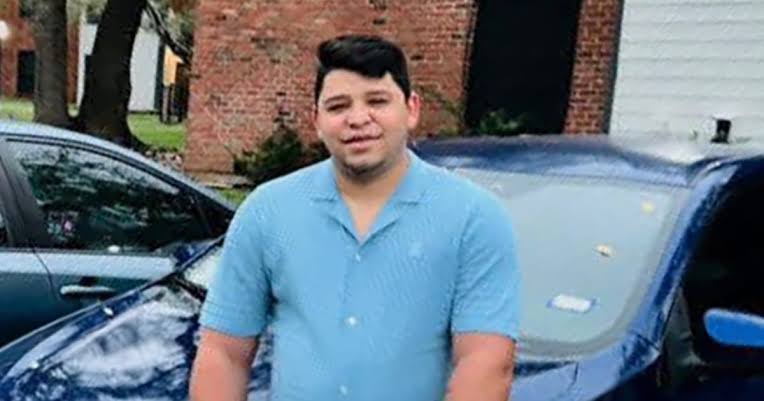
The commitment, called the Duffield Big Bet for Pets, addresses a gap affecting an estimated 50 million dogs and cats nationally that lack reliable access to affordable veterinary care, according to the foundation’s announcement carried by PR Newswire. Dave Duffield, cofounder of PeopleSoft and Workday, and his wife, Cheryl Duffield, announced the commitment Sept. 17 from Incline Village, Nevada.
Who the Duffields Are
Dave Duffield co-founded enterprise software company PeopleSoft in 1987 and later co-founded Workday in 2005, building a fortune in business software before turning his philanthropic focus toward animal welfare. He and Cheryl Duffield have funded animal-welfare causes for years through Maddie’s Fund, named after the family’s own dog, which has supported no-kill shelter initiatives and veterinary access programs nationally.
The Big Bet for Pets commitment represents a significant expansion of that existing philanthropic focus rather than an entirely new cause area for the couple, giving the pledge a track record of prior related giving behind it.
How the Money Will Be Distributed
Two initial programs will begin distributing funds first. Duffield Boost Grants will split $2.5 million into 250 individual grants of $10,000 each, aimed at nonprofit veterinary providers. Expanding Access Grants will draw from a separate $10 million pool for multiyear grants supporting established nonprofit clinics looking to grow their capacity. Both programs are open for applications through the foundation’s website.
Building on Existing Work
The commitment builds on the Duffields’ earlier philanthropic work through Maddie’s Fund, an organization they founded that has focused on animal welfare and veterinary access for years. It also complements a separate $100 million commitment PetSmart Charities made in 2023 toward the same broad goal, meaning this year’s pledge adds to, rather than duplicates, an existing philanthropic effort already underway in the same space.
Why the Founders Say Access Is the Real Barrier
“Pets are members of our families, and they need veterinary care to live long, healthy lives,” Dave Duffield said. “For too many families, that care is not easy to find or afford.” Amy Mills, the foundation’s vice president of access to care, framed the gap in similarly direct terms: “The lack of access to affordable veterinary care is one of the most urgent and actionable challenges facing pets.”
What Makes This Gift Different From a Typical Donation
Rather than funding a single flagship clinic or research program, the foundation structured its two initial grant programs to reach many smaller nonprofit providers at once, 250 separate $10,000 grants alongside a pooled fund for larger multiyear commitments. That structure is designed to strengthen the existing patchwork of nonprofit and community veterinary clinics already operating in underserved areas, rather than build new infrastructure from scratch, a distinction that matters because it can put money into local providers’ hands faster than standing up new clinics would.
A Shortage on Both Sides of the Exam Table
The access gap the Duffield gift targets is not only about pet owners’ ability to pay. The veterinary profession has faced a well-documented workforce shortage in recent years, with rural and lower-income urban areas often going without a nearby clinic at all, regardless of a family’s ability to cover the cost of care. That supply-side shortage is part of why the foundation structured its grants around expanding existing nonprofit clinics’ capacity rather than solely subsidizing individual pet owners’ bills: even a family able to pay for veterinary care cannot access it if no clinic operates within a reasonable distance, a problem that additional funding for capacity, more staff, more exam rooms, more operating hours, addresses more directly than a subsidy program would.
The Math Behind the Need
Fifty million dogs and cats without reliable access to affordable veterinary care is a large enough population that even $250 million spread across five years, roughly $50 million a year, would amount to only a few dollars of support per animal if distributed evenly nationwide. That arithmetic is part of why the foundation’s own framing emphasizes expanding nonprofit clinic capacity and access infrastructure rather than attempting to directly subsidize individual veterinary bills at scale, since the latter approach would be far more limited in reach given the size of the underlying gap.
Complementing an Existing Effort, Not Replacing It
The foundation’s decision to frame its commitment as complementary to PetSmart Charities’ 2023 pledge, rather than a competing or overlapping initiative, reflects an approach increasingly common among major philanthropic funders in a single cause area: coordinating around distinct pieces of the same problem, in this case nonprofit clinic capacity and grantbased access support, rather than each funder building parallel, redundant infrastructure.
That coordination gives both commitments a better chance of reaching different underserved regions rather than concentrating resources in the same areas.
What Happens Next
Grant applications and additional funding tranches will roll out over the five-year commitment period through the foundation’s website, duffieldfoundation.org. The foundation has not yet announced additional program details beyond the two initial grant tracks. Mills said the foundation expects to announce additional programs as the Duffield Boost Grants and Expanding Access Grants distribute their first rounds of funding, with nonprofit clinics able to apply directly rather than through a referral or waitlist process.