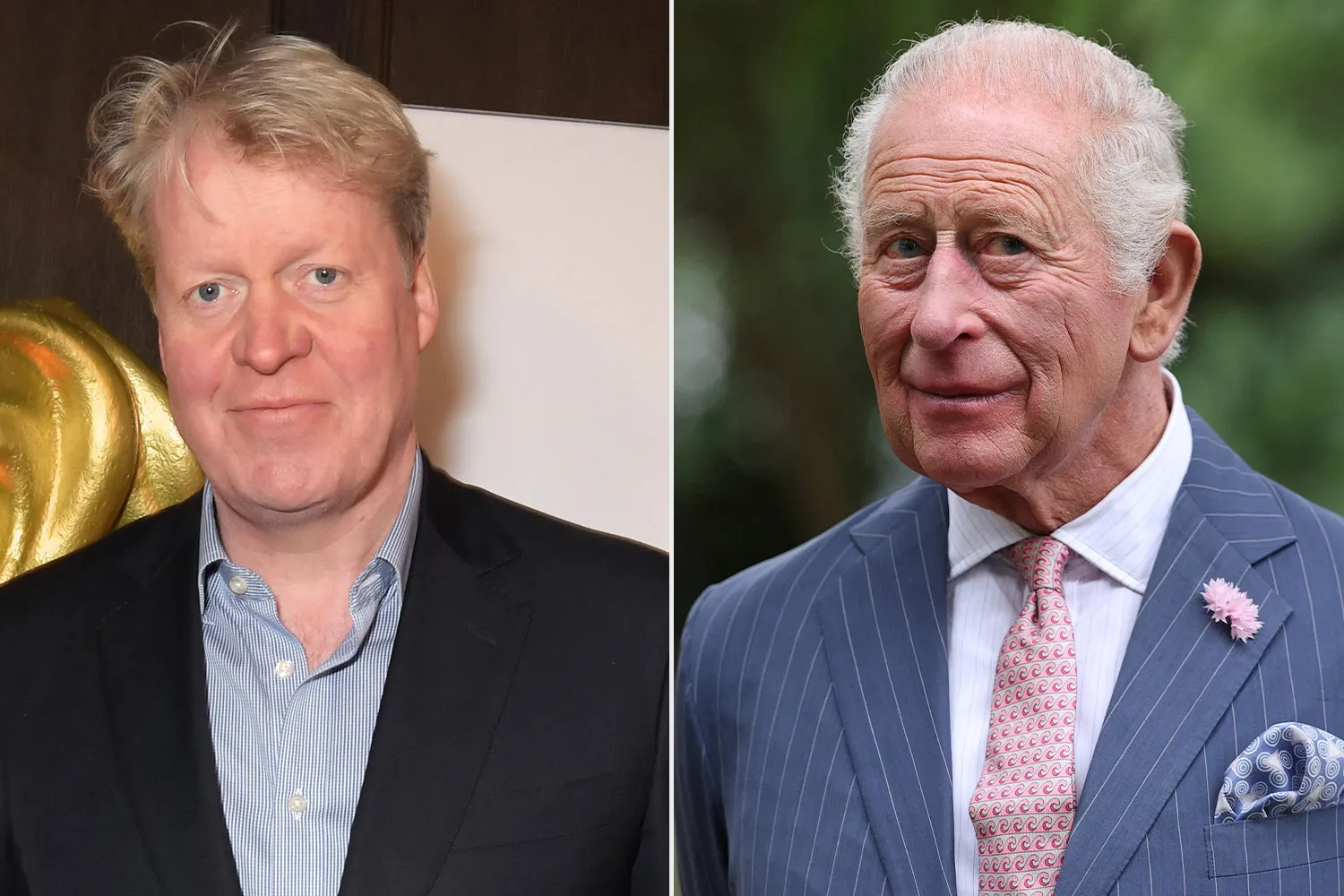
Earl Spencer has accused King Charles of “gaslighting” him, two days before the Sept. 22 release of his memoir about his sister, Princess Diana, after Buckingham Palace responded to the book’s most explosive claim without directly denying it.
The Claim at the Center of the Book
Charles Spencer’s memoir, “Swan Song: Diana, My Sister,” publishing through Penguin Michael Joseph in the United Kingdom and Penguin Press in the United States, alleges that King Charles told him during a 1997 argument over funeral arrangements, specifically whether Princes William and Harry should walk in Diana’s funeral cortege, “we’ll forget her soon enough.
” The 384-page book, set for translation into 12 languages, also claims Charles told Diana before their wedding that he did not love her, and that he sounded “elated” upon learning of her death, according to Penguin Random House’s own announcement of the title.
Diana died Aug. 31, 1997, in a Paris car crash; her funeral followed Sept. 6, with William, then 15, and Harry, then 12, walking behind her coffin. Spencer delivered her eulogy at Westminster Abbey, and the memoir marks his first extended public account of his sister in nearly three decades, timed ahead of the 30th anniversary of her death next August.
A Response That Did Not Deny the Quote
Buckingham Palace responded to the book’s claims with a statement saying King Charles was mindful that “the pain of fraternal grief can cloud reason, affect judgment and colour memory in ways others do not recognise.” The statement questioned Spencer’s memory of the 1997 argument rather than offering a competing account of what was actually said, meaning the Palace’s response does not dispute that the conversation happened or that words to that effect were spoken, only that Spencer’s recollection of them might be unreliable.
That distinction is what drew Spencer’s sharpest response. In an interview with The Mail on Sunday, reported by ITV News, Spencer said: “It is not every day you wake up to find you’ve been gaslit by the King.” He called the Palace’s statement “astonishingly provocative and below the belt,” and compared it to the late Queen Elizabeth’s line that “recollections may vary,” issued after Harry and Meghan’s 2021 Oprah Winfrey interview.
Why the Non-Denial Matters
A flat denial from the Palace, stating that Charles never said “we’ll forget her soon enough,” would have set up a direct factual dispute between the King and his former brother-in-law. Instead, by challenging Spencer’s memory rather than the substance of the quote, the Palace’s statement leaves open the possibility that the underlying exchange occurred largely as Spencer describes it, while still avoiding a formal acknowledgment.
That approach mirrors the same “recollections may vary” strategy the family used against Harry and Meghan, a pattern Spencer himself pointed to directly rather than letting go unremarked.
Spencer has also drawn a parallel between the press treatment Diana faced and the coverage of Harry and Meghan in recent years, calling media scrutiny of the family a “cancerous influence.” He said his motivation for writing the book was to offer his own “thoughts and memories” rather than “having the discomfort of again reading the opinions of others, many of which are based on untruths,” and predicted that “Diana would be cheering from the rafters at this book.”
A Brother Who Has Spoken Publicly About Diana Before
Spencer’s 1997 Westminster Abbey eulogy for his sister was itself widely read at the time as a pointed message to the royal family and the press, and it set the template for a relationship between Spencer and the royal family that has remained publicly strained in the decades since, even as he has largely avoided extended public commentary on Diana until now.
“Swan Song: Diana, My Sister” marks the first time in nearly 30 years that Spencer has offered a full-length, first-person account of his sister, rather than the shorter public statements and interviews he has given periodically since her death.
What Happens Next
“Swan Song: Diana, My Sister” publishes Sept. 22, two days after Spencer’s gaslighting accusation became public, positioning the book’s release to land amid active sparring rather than a quiet rollout. Neither Kensington Palace nor representatives for Harry and Meghan have commented on Spencer’s remarks as of this writing. King Charles has not personally responded beyond the Palace’s written statement, and whether he does so once the book is in wide circulation is likely to shape how the dispute plays out over the coming weeks.
The book’s release also lands roughly 11 months ahead of the 30th anniversary of Diana’s death next August, a milestone publishers have historically used to time major royal retrospectives and biographies. That timing means Spencer’s account is likely to remain the dominant new source of Diana-related material through next year’s anniversary coverage, particularly given the specificity of its claims about private conversations no other family member has publicly corroborated or disputed in detail. With the book translated into 12 languages, the dispute between Spencer and the Palace is set to play out in front of an international audience well beyond the United Kingdom’s own royal press corps.