The Federal Reserve held rates at 3.75% to 4% on Oct. 28 in a 10-2 vote, with Lisa Cook and Beth Hammack dissenting in favor of a quarter-point increase, the Federal Open Market Committee said. Both dissents ran toward higher rates, six weeks after the committee raised them 12-0 on Sept. 16. A committee that voted unanimously to hike and then split over hiking again has not settled how much of the inflation comes from energy and how much from demand, and the energy side is still large. Regular gasoline averaged $4.269 a gallon in the week of Oct. 26, $1.234 above a year earlier, and on-highway diesel averaged $6.352, up $2.634.
What the October Fed Statement Says
The committee kept the target range at 3.75% to 4% and said economic activity is expanding at a “strong pace,” a step up from the “solid pace” in its September statement. It repeated that inflation “remains elevated” and said it “will deliver price stability.” Job gains kept pace with workforce growth, and the unemployment rate changed little, according to the statement. The Fed’s implementation note left the interest rate on reserve balances at 3.90% and the primary credit rate at 4%, effective Oct. 29.
How the FOMC Votes Moved from July to October
The committee held its range at 3.50% to 3.75% on July 29 by a 9-3 vote. Hammack, Neel Kashkari and Lorie Logan dissented in favor of a quarter-point hike. The committee then raised the range in September with no dissents. Kashkari and Logan did not dissent in October. Cook, who did not dissent in July or September, joined Hammack. Dissents for a higher rate therefore went from three to zero to two across the last three meetings, a count from the three statements.
Hammack’s Case for Higher Rates
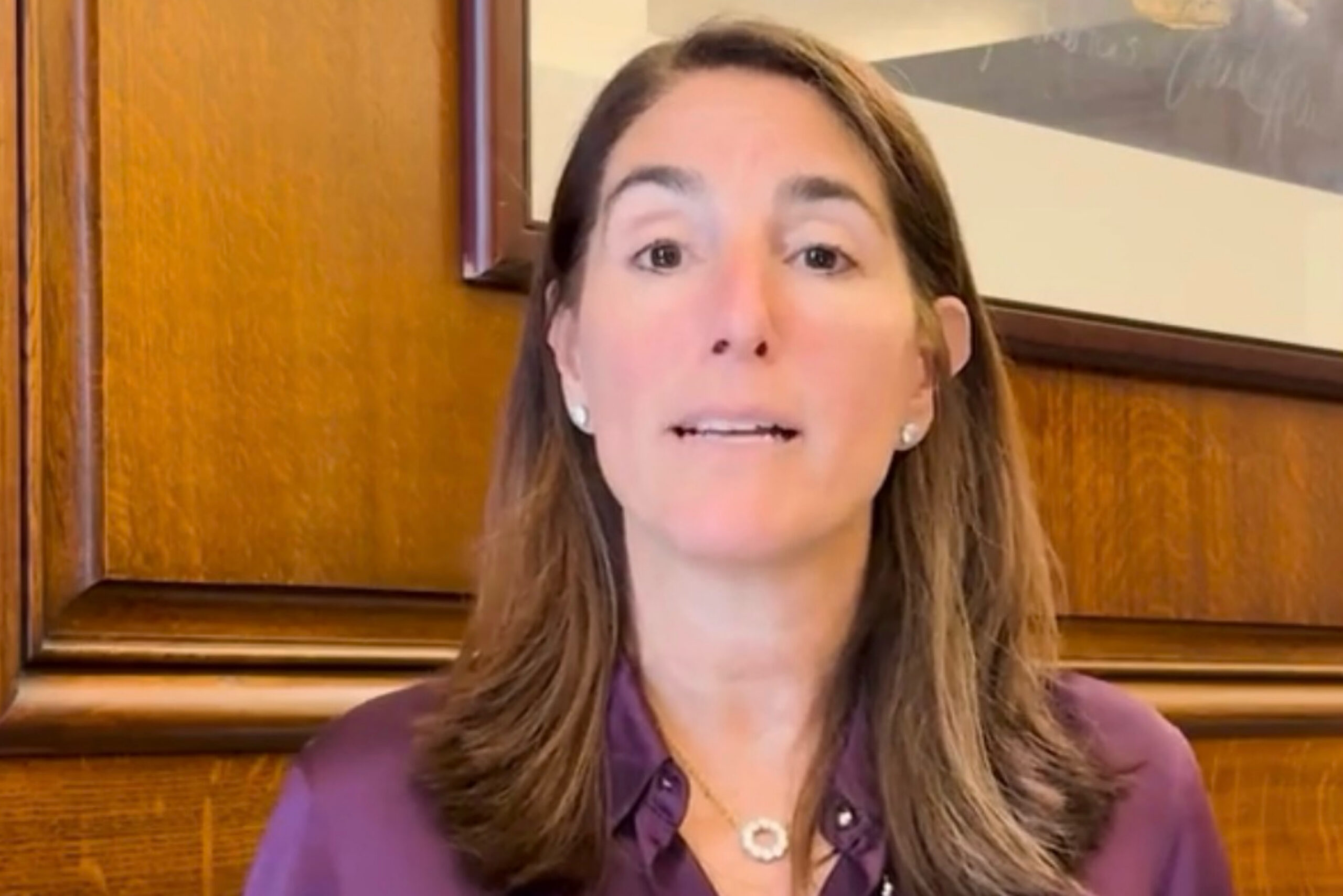
In a statement after the July vote, Hammack, president of the Federal Reserve Bank of Cleveland, said, “Inflation has been too high for too long.” She wrote that inflation has run above the Fed’s target for more than five years, that energy prices added to it this year and that demand is also pushing prices up. She said business contacts in her district report price increases spreading, not fading.
That statement came before the September hike. The committee’s own text gives the case for waiting. Unemployment has changed little, and the committee said it will gather more information to decide what policy stance returns inflation to 2% in a timely way.
Inflation Data behind the Vote
The Bureau of Labor Statistics reported that consumer prices rose 3.7% over the 12 months ended in September, with core prices up 2.6% and gasoline up 34.2%. The gap between the headline and core rates is the energy component the committee is weighing against demand. At the pump, regular gasoline slipped 1.5 cents from the prior week, the Energy Information Administration’s weekly survey shows. The bureau releases October prices on Nov. 10, and the committee meets again Dec. 8-9.