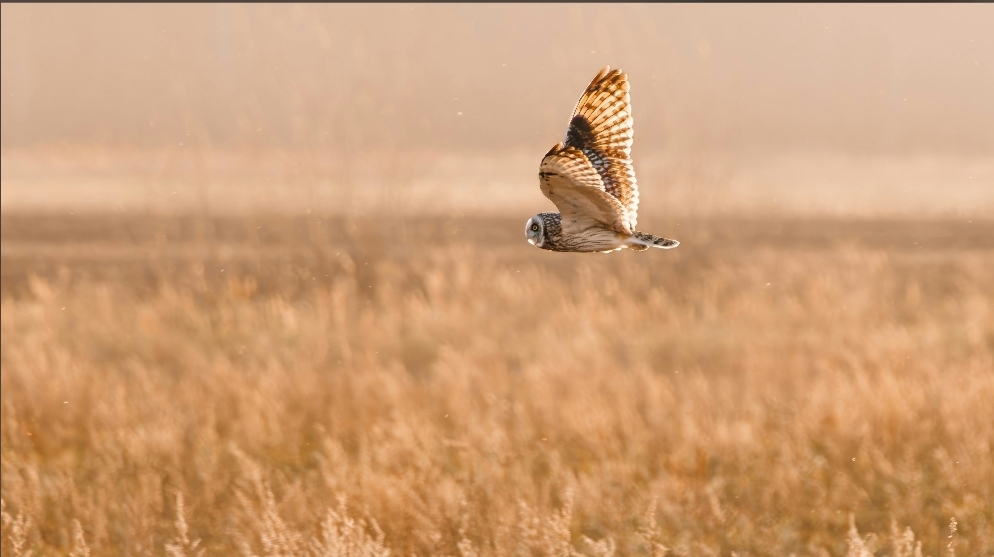
About 8,000 frog bones found in a single ditch in eastern England were most likely left behind by owls and hen harriers that hunted the frogs in one winter about 1,700 years ago, Bournemouth University and MOLA said in a Nov. 9 release. The frog bones mystery had puzzled archaeologists since the dig.
Archaeologists excavated the ditch between 2016 and 2018 during work on the A14 road between Cambridge and Huntingdon. The study, “An Owl’s Eye View: Human–Animal Entanglement at the Roman Fen Edge,” appears in Environmental Archaeology.
What the Archaeologists Found
MOLA’s 2022 account of the find counted bones from at least 350 frogs and toads, mostly in a 14-meter ditch next to a roundhouse. That works out to about 23 bones per animal, a calculation from the two figures, which fits whole bodies swallowed and passed by a predator better than animals cut up by people.
The 2022 account dated the bones to the Middle to Late Iron Age and listed several theories: people eating frogs, pests drawn to grain processing, frogs trapped during spring migration, a winter die-off or a viral disease. None of the theories named a predator.
How the Researchers Solved It
Radiocarbon dating by the University of Vienna put the bones at about 1,700 years old, in the Roman period, and the evidence shows the ditch filled within a single year. Measurements of the frogs’ upper arm bones show most died young, in the winter of their first year.
Damage on the bones matched what earlier studies found on prey eaten by birds of prey. The researchers name short-eared owls and hen harriers as the likely hunters and describe that identification as likely, not certain. Snail shells, pollen and charcoal from the site suggest the woodland had been cleared for grazing, which left the frogs in open ground with little cover. “We don’t often get an owl’s eye view of what it was like in the past from archaeological sites,” said Paul Clarkson of Bournemouth University, who led the study.
What the Owls Reveal About Roman Farming
The finding turns a pile of small bones into a picture of the landscape. Cleared land, grazing animals and hunting birds all show up in the same ditch, and the predators were feeding on frogs exposed by the farming that people did nearby. Vicki Ewens, a senior zooarchaeologist at MOLA, had studied the bones for years. “It’s been great to collaborate with Paul to finally answer this question,” Ewens said in the release. The new date also moves the find out of the Iron Age and into the Roman period, nearly three centuries after the end of the range the 2022 account gave, a calculation from the two dates.