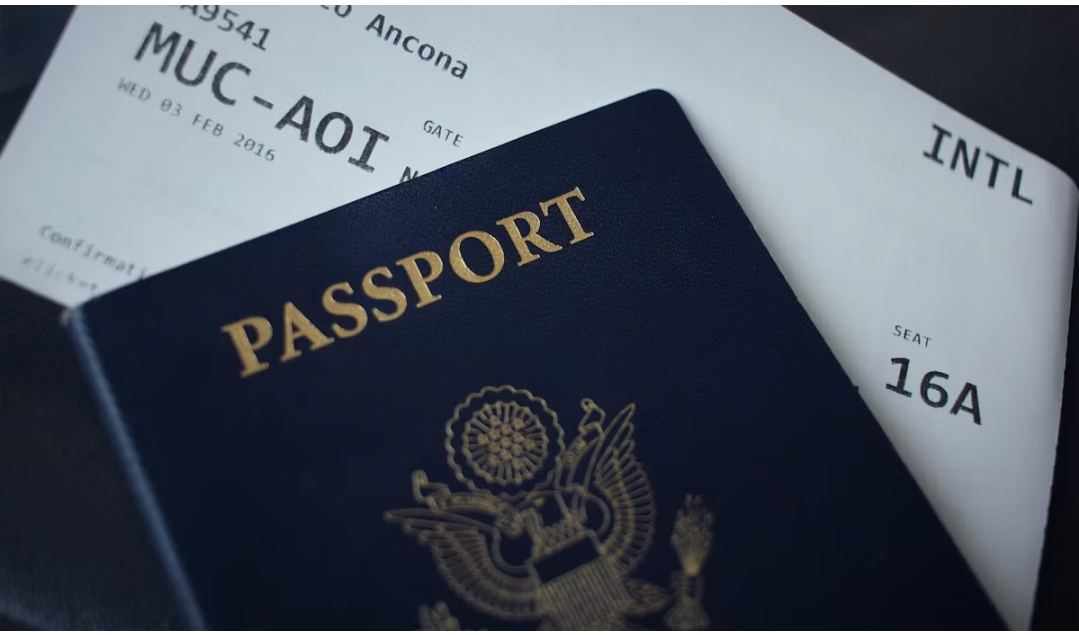
The Federal Trade Commission sued GovAssist LLC, Entry LLC and their owner Scott Zuckerman on Oct. 22, alleging the sites bought search ads that made them look like the State Department’s passport service. The GovAssist FTC lawsuit was filed in federal court in Puerto Rico, the FTC said.
The advertised price is the sharpest number. The sites advertised passport service from $89, the FTC says, while the lowest price actually charged was $119 plus $29 shipping, or $148. That is 66% above the advertised starting point, a calculation from the FTC’s figures, and the State Department’s own fee was not included.
What the FTC Says the Sites Did
The commission says the defendants ran GovAssist.com, Entry.com and IVS.us since at least October 2023, selling passport services plus visa applications, renewals and other travel services. They allegedly paid for Google search ads that placed their pages above official government resources when travelers searched for passports, and posed as or implied an affiliation with the State Department. The complaint alleges violations of the FTC Act, the agency’s Impersonation Rule and the Gramm-Leach-Bliley Act. The commission voted 2-0 to file it.
The Price and Delivery Claims
The FTC says the sites claimed they could issue U.S. passports directly. Customers often received only a completed application that they could have gotten free from the State Department. The sites played down the government fee, so some customers did not realize they would pay it again. The sites also promised expedited delivery in six to 10 business days or three to four business days. The FTC says those timelines beat the State Department’s fastest expedited option, so the companies could not meet them.
The Fake Review Allegation
The sites advertised an “excellent rating” on Trustpilot. The FTC alleges that rating was inflated by large numbers of fake positive reviews. The commission treats a fabricated rating the same way it treats the ads: as a claim a traveler would rely on before paying.
The Prior FTC Order
The FTC says Zuckerman ran the scheme while subject to a final administrative order from an unrelated case against Support King LLC, which involved stalkerware and data privacy. The complaint names him personally, along with both companies. “Using paid Google search ads and landing pages to impersonate the government and target American travelers is illegal,” said Christopher Mufarrige, director of the FTC’s Bureau of Consumer Protection, in the announcement.
What the Complaint Does Not Resolve
Everything in the complaint is an allegation, and the defendants have not been found liable. The U.S. Postal Inspection Service, the U.S. Attorney’s Office for the District of Puerto Rico and the State Department assisted the FTC. The FTC has not announced a hearing date.