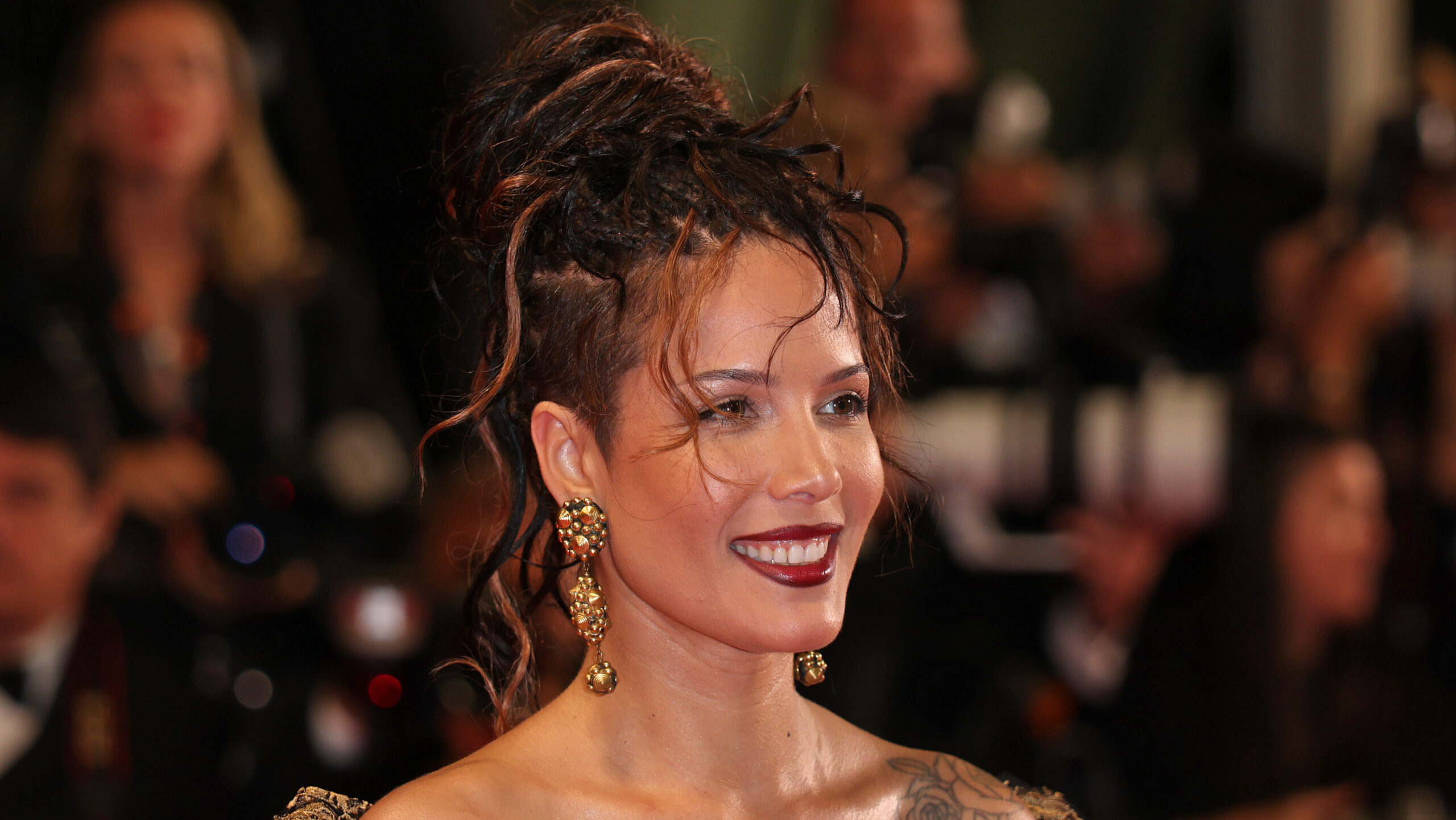
Singer-songwriter Halsey has revealed that doctors admitted they may have diagnosed her lupus much sooner if they had known she was Black. The Grammy-nominated artist, whose real name is Ashley Nicolette Frangipane, mentioned this during a recent appearance on the Friends Keep Secrets podcast. The video podcast, hosted by Benny Blanco, Lil Dicky, and Kristin Batalucco, featured Halsey on May 26th. Amongst other things, Halsey reflected on how it took almost eight years to finally be diagnosed with lupus.
Halsey, who is known for hit songs like Without Me and Bad at Love, is known for being open about her health struggles, including endometriosis and lupus. Her latest comments have since gone viral. And this has prompted conversations about the effects of delayed diagnoses in medicine.
Halsey Says Doctors Admitted They Could Have Diagnosed Her Sooner
During the podcast, Benny Blanco noted that lupus is commonly associated with Black women. Halsey, who is biracial, explained that her race unexpectedly became part of the conversation after doctors finally identified her condition. According to Halsey, several doctors later admitted they would have considered lupus much earlier if they had known she was Black.
“A lot of my doctors were like, ‘That sucks, you look so white, because we probably would have found this a lot sooner if we knew,’” she mentioned.
Halsey reminded them that she had initially mentioned that she was half Black. According to the singer, the doctors admitted that they “didn’t really take it seriously” and “didn’t really consider it.” This has become one of the most widely discussed parts of the interview.
Halsey Opens Up About Her Eight-Year Health Battle
Halsey revealed that it took nearly eight years before doctors finally identified the autoimmune disease. All the while, unexplained symptoms of the disease had affected both her personal life and busy music career. Still, Halsey was releasing albums, touring and making public appearances, while privately searching for answers to her condition.
Lupus is one of the most difficult autoimmune diseases to diagnose because its symptoms often mimic other illnesses. Patients usually experience fatigue, skin rashes, inflammation, recurrent fevers, and other symptoms that vary from person to person.
How Halsey Says Her Race Changed the Diagnosis Conversation
According to medical research, lupus disproportionately affects Black women and likely at younger ages and with more severe complications. Doctors naturally do not diagnose illnesses based solely on race. But demographic factors often form part of a broader clinical assessment alongside symptoms, family history, physical examinations, and laboratory testing.
Fans React to Halsey’s Emotional Health Revelation
Clips of the interview quickly spread across social media, and many fans have praised Halsey for speaking so openly about her experience. Others with lupus and other autoimmune conditions shared similar stories of waiting years before an accurate diagnosis. Viewers have applauded Halsey for using her platform to speak about difficult issues. They believe that her honesty could encourage others to seek medical answers and advocate for themselves. Since its release, this interview has since become one of the most talked-about celebrity health conversations online.
Halsey’s Revelation Reignites Debate on Race and Healthcare
Although Halsey’s comments were a personal reflection during a podcast interview, they have evolved into a broader conversation about healthcare equity and delayed diagnosis. Her experience serves as a reminder that autoimmune diseases can be difficult to identify and that every patient’s story should be carefully considered. For Halsey, sharing her story was another example of her usual openness. For listeners, though, it’s about being seen and properly heard when seeking answers about one’s health. As reactions continue to pour in, Halsey’s candid interview is a powerful reminder that behind every diagnosis is a person searching for answers. Sometimes, simply being understood can make all the difference.