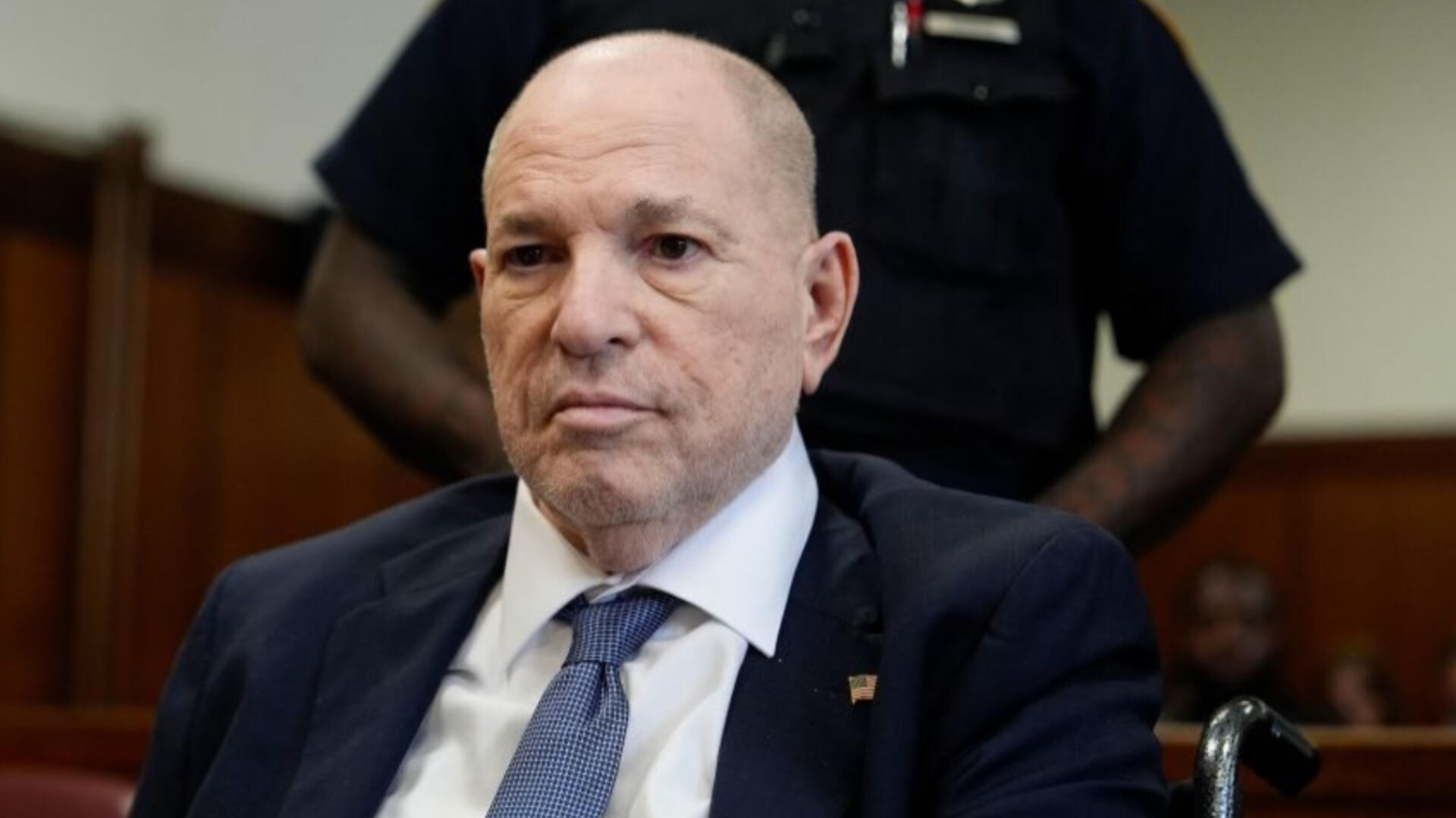
Manhattan Judge Curtis Farber sentenced Harvey Weinstein to 15 years in prison on Sept. 23, 2026, for a criminal sexual act against Miriam Haley, a former “Project Runway” production assistant Weinstein assaulted in his Manhattan apartment in 2006.
Judge Cites Betrayed Legacy in Sentencing
Farber handed down the sentence in a Manhattan courtroom and told Weinstein his misconduct had cost him everything he built in Hollywood. “You had it all. Your legacy could have been cemented with greatness. But you threw it all away by assaulting Miriam Haley,” Farber said, according to ABC News.
Prosecutors had asked Farber to impose 20 years. Defense attorney Jacob Kaplan asked for far less, requesting only three additional years beyond the more than six years Weinstein has already served, citing his client’s declining health.
Weinstein, 74, addressed the court directly in his own allocution. “I am not a perfect person. I live with many regrets, and sincerely apologize for my actions,” Weinstein said, per the same ABC News report.
A Second Trial After an Appellate Reversal
Tuesday’s sentence did not come from an untested conviction. A New York jury convicted
Weinstein in 2020 on charges tied to Haley and another accuser, and a judge sentenced him to 23 years in prison at the time. The New York Court of Appeals overturned that conviction in April 2024 on juror-bias grounds, wiping out the verdict and forcing prosecutors to retry the case from scratch.
A new jury heard the retrial in 2025 and convicted Weinstein again in Haley’s case, the count that produced Tuesday’s 15-year sentence. A second count in the same retrial, involving accuser Jessica Mann’s allegation of a 2013 rape, ended in a deadlocked jury. Manhattan prosecutors ultimately dropped that charge rather than pursue a fourth trial on it. The Haley conviction is the only count from either New York trial to survive both a verdict and full appellate review to a final sentence.
The Arithmetic Behind Weinstein’s Total Exposure
The 15-year term Farber imposed is not the full picture of what Weinstein still faces. In Los Angeles, a jury convicted Weinstein in 2022 on three counts and a judge sentenced him to 16 years. A California appeals court upheld that conviction but vacated the sentence itself, ordering a new sentencing hearing that has not yet been scheduled.
Stacked together, the two cases put Weinstein’s combined potential exposure at roughly 31 years: the 15 years Farber ordered Tuesday plus a Los Angeles term that could land near its original 16 years once a judge there resentences him. Weinstein has already served more than six years since his first arrest, time that will offset at least part of whatever total is eventually set.
The practical question is how much of that time Weinstein, now 74, could realistically serve. Fifteen more years alone would carry him into his late 80s. A comparable Los Angeles term added on top of that, even accounting for credit already served, would extend any release date well past what Kaplan’s defense described in court as a client in declining health. Neither Farber’s sentence nor the pending Los Angeles hearing has yet addressed whether the two terms would run at the same time or one after the other, a mechanical detail that will ultimately decide how close Weinstein’s real time behind bars comes to that roughly 31-year ceiling.
Bragg and Haley Respond to the Sentencing
Manhattan District Attorney Alvin Bragg framed the sentencing as vindication for the women who testified against Weinstein across three trials. “Today was about the survivors. Ms. Haley, her remarks were powerful, moving, and eloquent… I’m moved, as we should all be moved, by their courage and their steadfastness,” Bragg said in a statement from his office,posted by the Manhattan District Attorney’s Office.
Haley spoke publicly after the hearing and described the toll of testifying against Weinstein twice, across two separate trials six years apart. “It doesn’t go away. It’s happened, and it’s gonna stay with me to some degree, but I expect that this is the last time I’m here doing this,” Haley said, according to amNewYork. She also questioned the sincerity of Weinstein’s courtroom apology, saying, “I think he still feels entitled…he is not at all acknowledging what he even did.”
What Happens Next
Weinstein is expected to appeal Farber’s sentence, according to his legal team. He remains held at the Bellevue Hospital prison medical unit in Manhattan, where he has been housed for treatment during the New York proceedings.
Weinstein’s courtroom apology this week stood apart from comments he has made outside the courtroom. In March 2026, Weinstein told The Hollywood Reporter he expected to eventually clear his name entirely, saying, “I will be proven innocent. That I promise you.” The two statements, an in-court apology paired with an outside claim of eventual innocence, reflect Weinstein’s position at different moments rather than a single consistent account.
The Los Angeles case remains the other open variable in Weinstein’s legal exposure. No date has been set for the resentencing hearing ordered by the California appeals court, which upheld his 2022 conviction there while vacating only the 16-year term originally attached to it. Until that hearing happens, Weinstein’s full combined sentence, and how much of it he could realistically serve, remains unresolved.