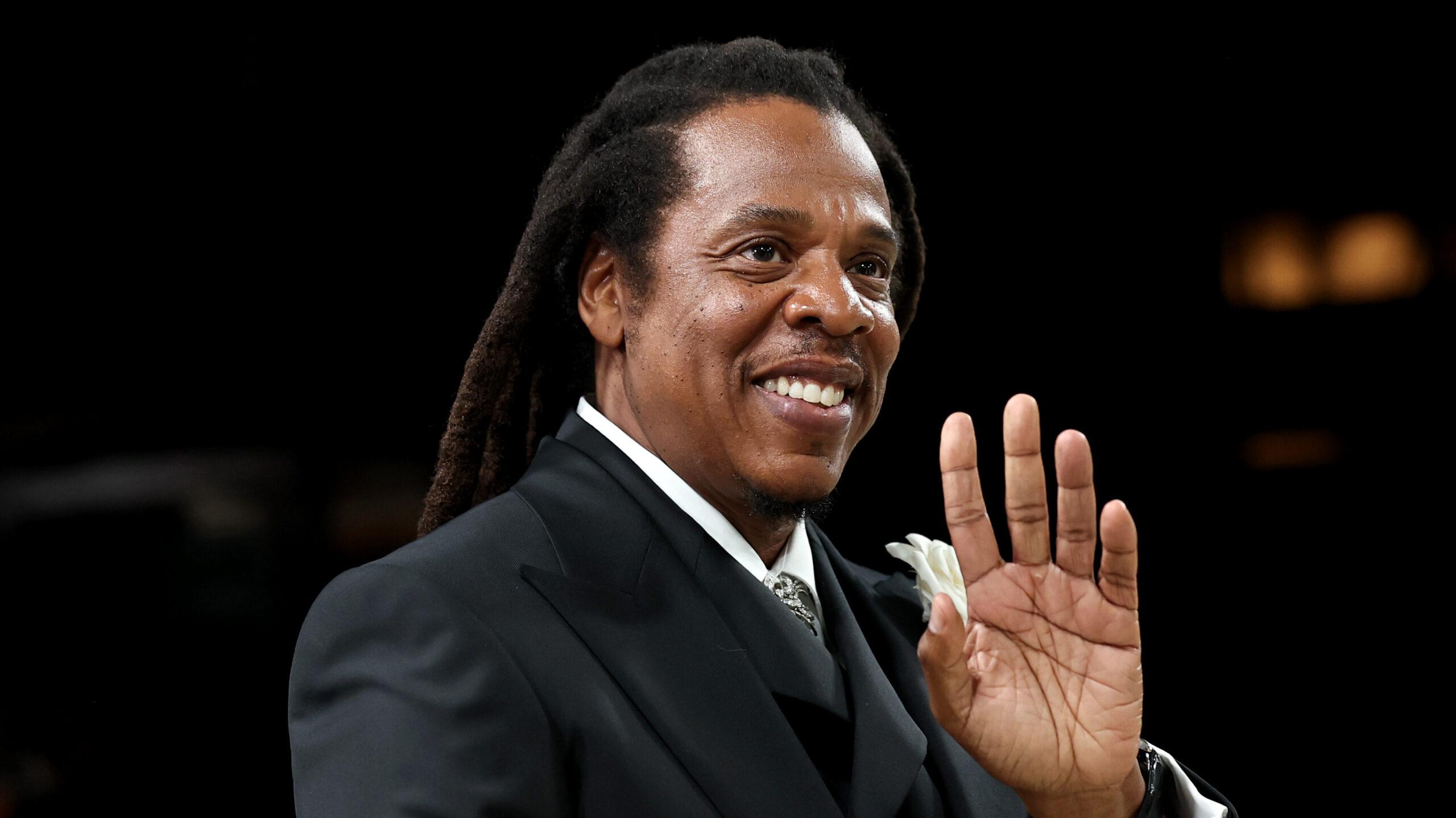
A woman who accused Shawn “Jay-Z” Carter of sexually assaulting her at an after-party following the 2000 MTV VMAs has withdrawn the allegation entirely, filing a sworn declaration in Manhattan federal court Sept. 24 that says the encounter never happened and she has never met him.
The woman, identified in court filings only as “Jane Doe,” said in her declaration that “Shawn ‘Jay-Z’ Carter never raped me. I have never met or spoken to Mr. Carter.” She said, “There is no truth to any of my claims against Mr. Carter,” according to the filing.
How the allegation reached federal court in the first place
Houston attorney Tony Buzbee added Doe to his mass legal action in October 2024, a lawsuit that named Sean “Diddy” Combs as a co-defendant alongside Carter. According to her own declaration, she was not identified through any individual investigation into her specific claim before being added to the suit. She said she saw an advertisement in fall 2024 soliciting people with potential claims against Combs and was folded into Buzbee’s litigation “without her knowledge or independent investigation,” according to her filing.
That process, an advertisement soliciting potential plaintiffs followed by inclusion in a mass complaint, illustrates a mechanism that gets little scrutiny in most coverage of celebrity mass litigation: how someone can end up a named accuser in a large sexual-misconduct lawsuit without the kind of individual vetting a single-plaintiff case would typically involve. In a mass action, attorneys often gather potential plaintiffs through public outreach and screen claims at scale rather than investigating each account individually before filing, which can mean a name reaches a federal docket well before the underlying facts are independently examined by anyone outside the plaintiff’s own recollection.
Doe said she began doubting her own claims as early as January 2025, months before she ultimately moved to withdraw them. She said she was paid $1,200 by attorneys connected to an NBC News interview and a polygraph test, the results of which she said were never shared with her, according to her declaration. That gap, between sitting for a polygraph and never learning its outcome, is part of what she has pointed to in explaining how her own certainty about the claim eroded over time.
What Doe’s new attorney says
Doe has retained new counsel, attorney James Blair Newman Jr., to file the recantation, separating her from the legal team that originally brought her claim as part of Buzbee’s mass action. Newman said in a statement that “Mr. Carter did not rape her, sexually assault her, engage in any inappropriate conduct towards her, and she has never met him.”
Newman said his client is a genuine survivor of a sexual assault but was “entirely mistaken” in identifying Carter as the person responsible. Doe’s declaration said the false claims caused Carter “immense pain, suffering, and damage” that “can never be fully undone,” and she offered what she called a “sincere and unconditional apology.”
Carter’s response and the countersuit
Carter has consistently denied Doe’s allegation, calling it a “blackmail attempt” when it was first filed, and he brought a malicious-prosecution countersuit against Buzbee and his law firm. Following Doe’s recantation, Carter voluntarily dropped her as a defendant from that countersuit.
Carter’s own attorneys did not issue any new statement beyond that action. Dropping Doe from the countersuit, rather than continuing to pursue her individually now that she has withdrawn her claim and apologized, stands as Carter’s substantive response to the recantation. The countersuit against Buzbee and his firm itself remains active, since Doe’s recantation addresses only her own claim and not the broader allegations Carter has made against the attorneys who filed it on her behalf.
The broader Buzbee litigation
Doe’s case was one of more than a dozen claims folded into Buzbee’s mass litigation effort targeting Combs, with Carter named as a co-defendant in her specific complaint. Her declaration is one of the more detailed public accounts of how an individual plaintiff was recruited into that larger action, and it raises questions about the vetting behind claims added to mass tort-style lawsuits through public solicitation rather than referral from an existing client relationship built on a documented, individually reviewed account.
Why a recantation does not end the underlying case
A single plaintiff withdrawing a claim inside a mass action does not resolve the litigation as a whole. Buzbee’s suit named multiple plaintiffs and multiple defendants beyond Carter, and each plaintiff’s claim is generally evaluated on its own facts within the larger filing. Doe’s recantation removes her specific allegation against Carter from active dispute, but it does not by itself establish anything about the claims other plaintiffs have brought against Combs or other named defendants, which continue to move through the same court under the same case caption.
For Carter individually, however, the practical effect is significant. He is no longer facing an active rape allegation from Doe, and his malicious-prosecution countersuit no longer needs to address her as an individual defendant. The remaining question in that countersuit is whether Buzbee and his firm are liable for how the claim was brought against Carter in the first place, a legal theory that focuses on the attorneys’ conduct rather than on Doe’s own credibility now that she has recanted under oath.
Doe’s declaration runs 12 pages and was filed in the Southern District of New York. It does not affect other plaintiffs’ claims in the broader litigation against Combs, which remains active. The recantation applies specifically to the allegation against Carter, and it does not resolve or speak to any other claim pending in the wider case against Combs or other defendants named in it.