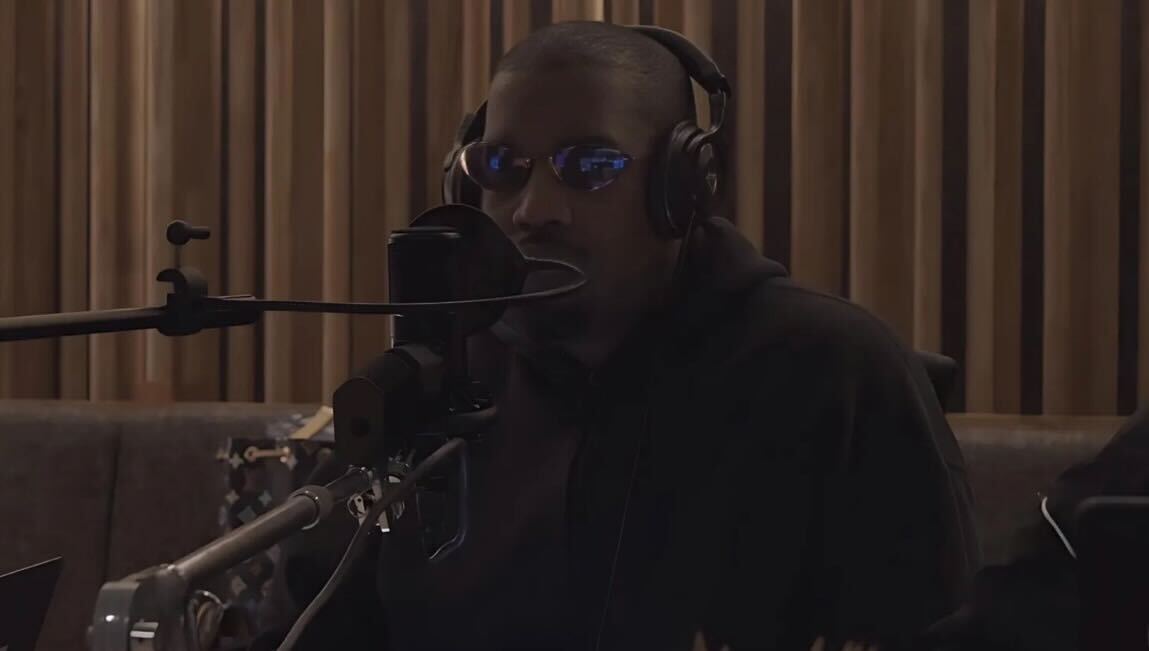
Kanye West’s legal team filed a motion Sept. 23 asking a judge to push the civil trial in Benjamin Provo’s discrimination lawsuit from Oct. 12 to May 17, 2027, citing concert dates in Russia that currently have no confirmed venue.
A Delay Built Around Unconfirmed Concert Dates
West’s attorneys told the court their client is booked to perform in Russia on Oct. 10 and 11, dates that fall two days before the scheduled trial start, according to HotNewHipHop. The filing asks the judge to move the trial back roughly seven months, to May 17, 2027.
The concerts were originally set for St. Petersburg’s Gazprom Arena. That venue withdrew last month, and promoters have not announced a replacement site. West’s own filing acknowledges the Oct. 10-11 dates are not finalized, according to HotNewHipHop’s review of the motion, meaning the trial-delay request rests on tour dates that currently lack a booked location. No arena, promoter announcement or ticket on-sale has surfaced to confirm where, or whether, the shows will happen.
West’s legal team paired the delay request with a bid for sanctions against Provo and his attorney, arguing the two sides caused holdups during discovery, the pretrial process in which both sides exchange evidence. The motion does not spell out a dollar figure for the sanctions request in reporting reviewed so far. West has not commented on the case himself; the arguments have come only through his attorneys’ court filings.
Yiannopoulos, the Witness the Defense Needs, Is Now Harder to Reach
The second reason West’s team gave for the delay involves Milo Yiannopoulos, the former Yeezy chief of staff the defense itself describes as the person “most familiar with the allegations,” according to the motion cited by HotNewHipHop. West’s attorneys say Yiannopoulos was recently deported by U.S. immigration authorities, which they argue complicates preparing him for trial.
That creates a procedural problem the defense created for itself: it is asking for more time to reach a witness it says it needs, after that witness lost the ability to appear or be reached inside the United States through normal channels. A deported witness typically can still be deposed by video or written questions from abroad, but coordinating that testimony across borders, and getting a foreign government’s cooperation if a subpoena or in-person appearance becomes necessary, adds weeks or months that a domestic deposition would not require. West’s team is using that added friction as grounds for the seven-month push.
Yiannopoulos already gave deposition testimony in the case. Asked about the atmosphere at Yeezy, he said, “If you have really thin skin about racially charged remarks … this really is not the company for you,” and added that anyone working at Yeezy between 2023 and 2024 “must accept the provocative way Ye talked about religion,” according to testimony cited by TMZ.
That testimony describes a workplace culture Provo’s suit says shaped his firing, even though Yiannopoulos was not speaking about Provo’s specific case in those lines.
The Underlying Lawsuit
Provo, a Black former security guard at West’s Donda Academy, sued West on Sept. 15 seeking $23 million. He alleges the school fired him in 2022 after he refused to cut his dreadlocks, which he says carry religious significance for him, according to TMZ. Provo separately alleges West objected to the school stocking books written by prominent Black figures.
West’s defense disputes that he employed Provo directly. Court filings argue Provo worked through a third-party staffing company assigned to Donda Academy, not for West personally, which West’s attorneys say limits his liability in the case. West has denied all claims through those filings. No direct, on-the-record statement from West addressing Provo’s specific allegations has surfaced; his position has come solely through his legal team’s court papers.
The $23 million figure covers damages Provo is seeking for what his suit characterizes as discriminatory termination tied to his hairstyle and religious practice, plus the broader workplace claims about the school’s book selections. Provo’s attorney has not detailed how the sum breaks down between lost wages, emotional distress or other categories in the reporting available so far.
What Happens Next
The Oct. 12 trial date has not been changed. A judge has not yet ruled on West’s request to move it to May 17, 2027, or on the sanctions motion against Provo and his attorney. Until a ruling comes down, both dates sit on the calendar at once: the original October trial date the court set, and the delay West’s team is asking for built around Russia concert dates that still have no confirmed venue.
If the judge grants the postponement, Provo’s case would not go to trial until next spring, giving West’s team more time to prepare Yiannopoulos’s testimony despite his deportation and removing any conflict with the Russia shows, wherever they end up being staged. If the judge denies it, West would face the discrimination trial in October regardless of what happens with the concert bookings.
Either way, the ruling will also determine whether Provo and his attorney face sanctions over the discovery dispute West’s filing raised. Court watchers should expect the judge’s decision before the current Oct. 12 date arrives, since a ruling on a delay motion typically has to come before the trial it seeks to move.