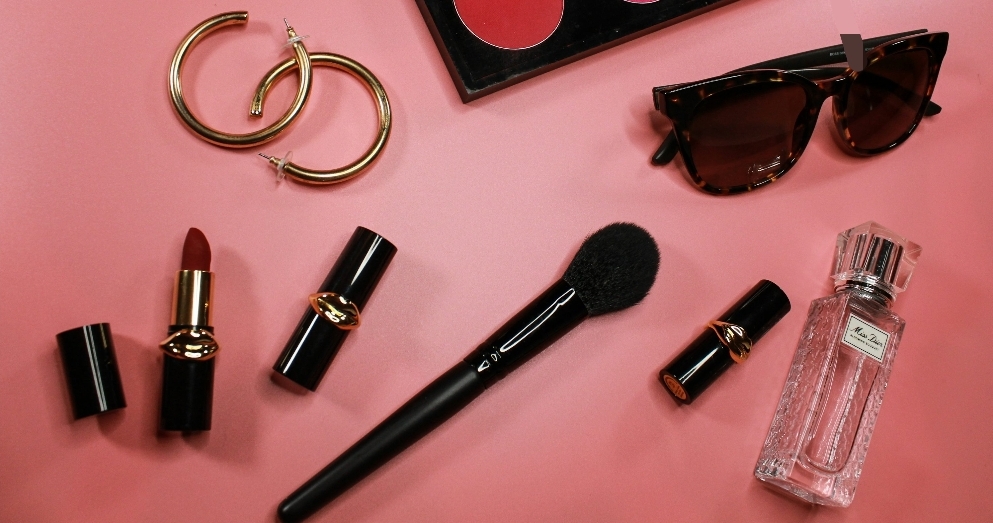
Consumer Reports tested 24 lipsticks for lead and other heavy metals and found every one below the FDA’s recommended limit, though some carried noticeably more than others, according to the Consumer Reports report published Nov. 18. The highest came from a Temu seller and cost under $3.
Lipstick gets swallowed a little at a time, every day, for years, which makes small amounts worth knowing about. The test also undercuts a common assumption: price did not track with purity.
What Consumer Reports Found in Lipstick
Consumer Reports bought top sellers, products marketed as “clean” or “natural,” and brands sold through online marketplaces, choosing true red shades where available. All 24 came in under the FDA’s recommended maximum, and many showed only trace amounts.
The highest lead level came from a Yabaolian lipstick sold on Temu. “As a precaution, we removed the product from sale,” a Temu spokesperson said, according to the report. A $6 E.L.F. lipstick tested among the lowest. Estée Lauder’s $44 lipstick tested comparatively higher. “Lead and other heavy metals are never intentionally added as ingredients,” Estée Lauder said. Dior’s Addict Hydrating Shine measured 0.05 parts per million.
Black-Owned Lipstick Brands in the Test
Two Black-owned brands were tested. Mented Cosmetics’ Semi-Matte Lipstick averaged above 1 part per million, the threshold Washington state is adopting for cosmetics. That is still a tenth of the FDA’s recommended limit. Mented did not respond to Consumer Reports’ request for comment.
The Lip Bar was also tested and did not comment. The fair reading is that every lipstick in the test met the federal standard, including Mented’s. The 1 ppm line is a newer, stricter state benchmark, and a brand landing above it is a reason for shoppers to ask questions, not proof of harm.
The FDA Limit on Lead in Lipstick
The FDA recommends no more than 10 ppm of lead in lip products, in draft guidance the agency issued for industry. The FDA says more than 99% of products it has examined fall below that level, and its own survey of hundreds of lip products found a maximum of about 7 ppm.
The industry’s trade group says the traces cannot be avoided. “These technically unavoidable trace amounts do not mean a product is unsafe,” the Personal Care Products Council said, according to the report. Coty said “the reported levels of lead and other trace elements in the tested product are very low.”
The gap between the FDA’s 10 ppm guidance and Washington’s 1 ppm rule is the real story for shoppers. Federal guidance has not tightened, and states are setting stricter limits on their own. Until the FDA updates its number, a shopper in Washington and a shopper in Texas are buying under different rules.