Minnesota Attorney General Keith Ellison sued L’Oréal and its subsidiaries on Oct. 23, alleging the company marketed chemical hair relaxers to Black women and girls as safe while it knew of studies linking frequent use to cancer, the attorney general’s office announced. The Minnesota L’Oréal lawsuit is the second state suit over the products in six weeks.
Arizona Attorney General Kris Mayes filed first, on Sept. 11. The two filings are 42 days apart, a calculation from the dates.
What the Complaint Alleges
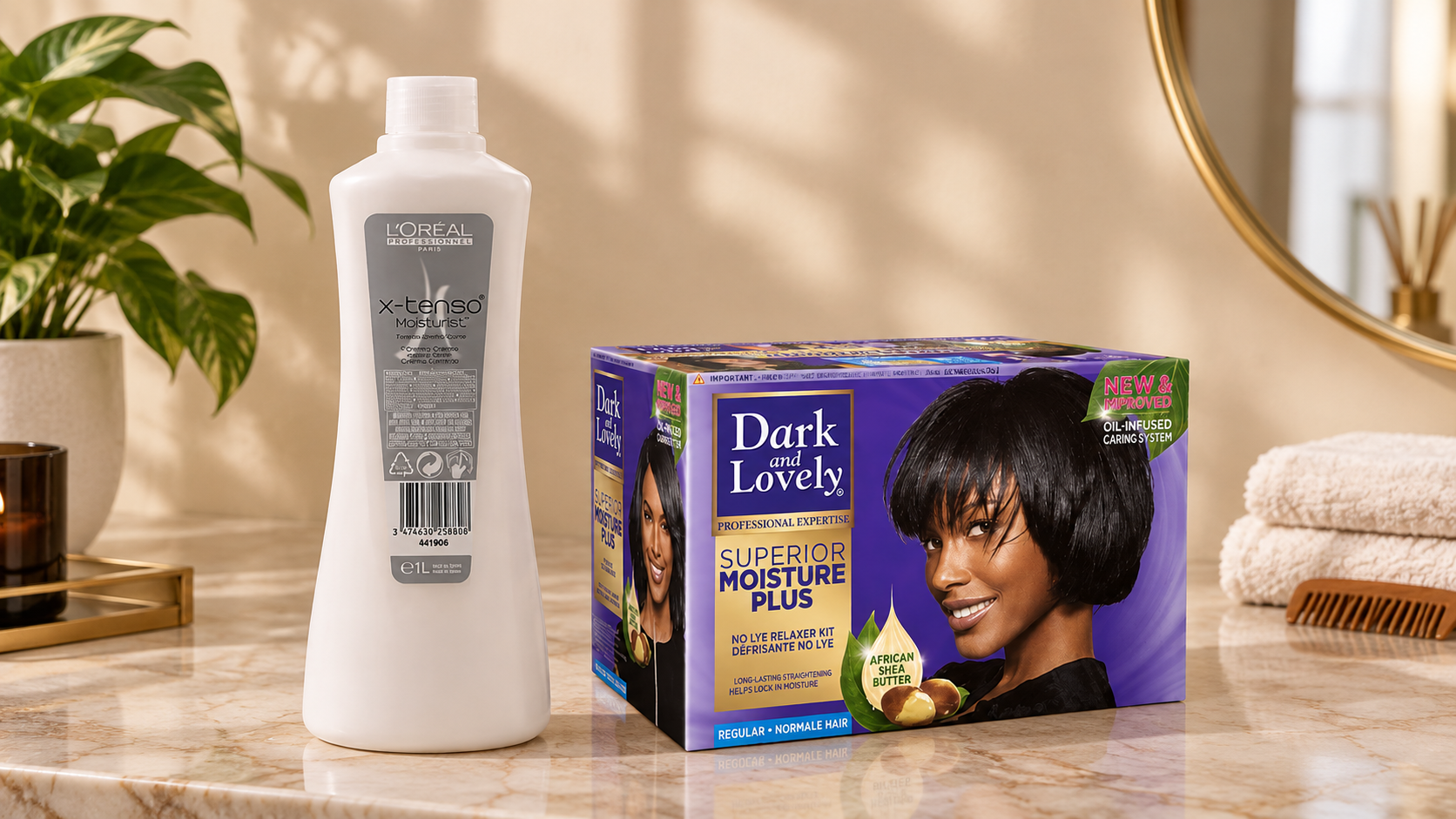
The complaint, signed Oct. 22 and filed in Hennepin County District Court, names Dark and Lovely, Optimum and Mizani. It also names Bantu, Care Free Curl, Look of Radiance and Ultra Precise. It brings three counts under the Prevention of Consumer Fraud Act, the Uniform Deceptive Trade Practices Act and the False Statement in Advertising Act.
Ellison said “it’s outrageous” that L’Oréal marketed the products to Black women and girls as safe when, he alleges, the company knew they were not. The release quotes L’Oréal’s own public claim that it will “guarantee the product safety of each and every one of their products.”
Which Studies the State Cites
The complaint cites four epidemiological studies. A 2021 analysis by Alexandra White of the National Institute of Environmental Health Sciences, covering 40,559 women in the Sister Study, found a doubling of ovarian cancer risk with frequent use, the complaint says. A 2022 study of 33,497 Sister Study women found frequent users had double the uterine cancer risk.
A 2023 Boston University analysis of the Black Women’s Health Study found uterine cancer risk 60% higher for any use, 64% higher for heavy use and 71% higher after 20 or more years of use, according to the complaint. A 2025 study led by Jared Bailey, using Sister Study data, found women who used chemical straighteners in the year before enrolling had a 71% higher risk of thyroid cancer and a 166% higher risk of pancreatic cancer than non-users, the complaint says. The two 71% figures describe different cancers.
What the State Wants
Minnesota seeks a declaration that L’Oréal violated the three statutes, a permanent injunction against selling the products without adequate health warnings, restitution, civil penalties under Minnesota Statutes section 8.31 and attorney’s fees. The complaint asks for judgment against the defendants jointly and severally.
The allegations are unproven, and no court has found L’Oréal liable. In Arizona, Mayes said L’Oréal “knew or should have known” about the dangers of the products.
The complaint’s studies measure relative risk among frequent users and leave the baseline risk for any one woman to a court and its experts, which is where the case will turn. The Minnesota filing lists no hearing date.