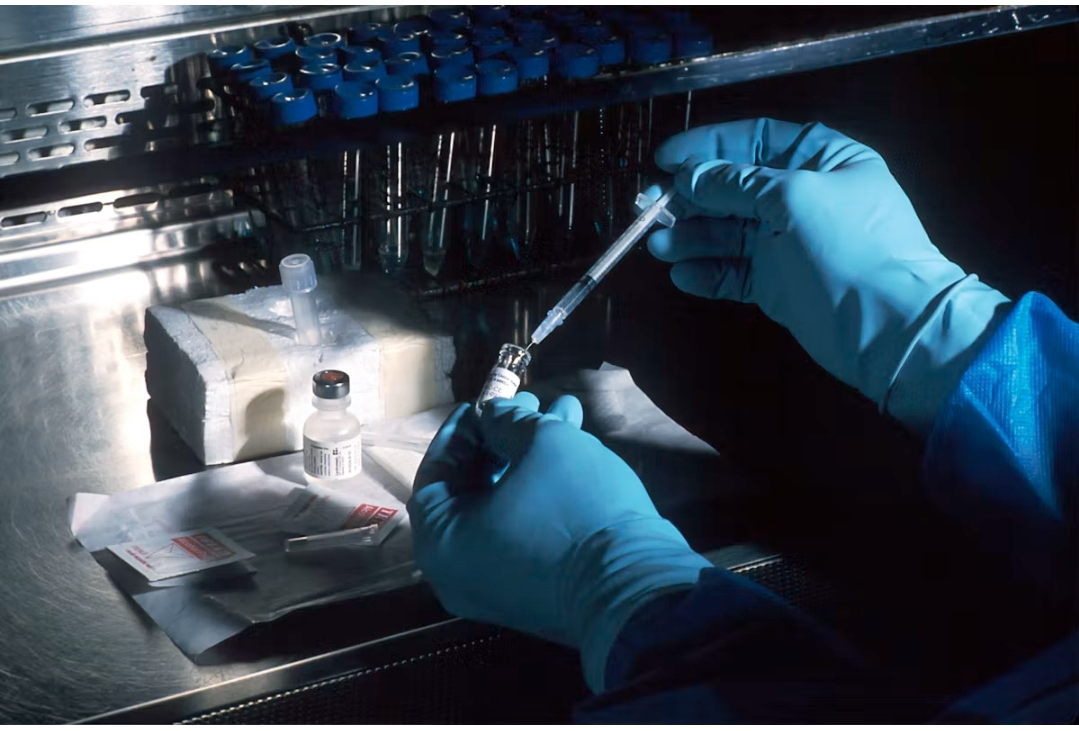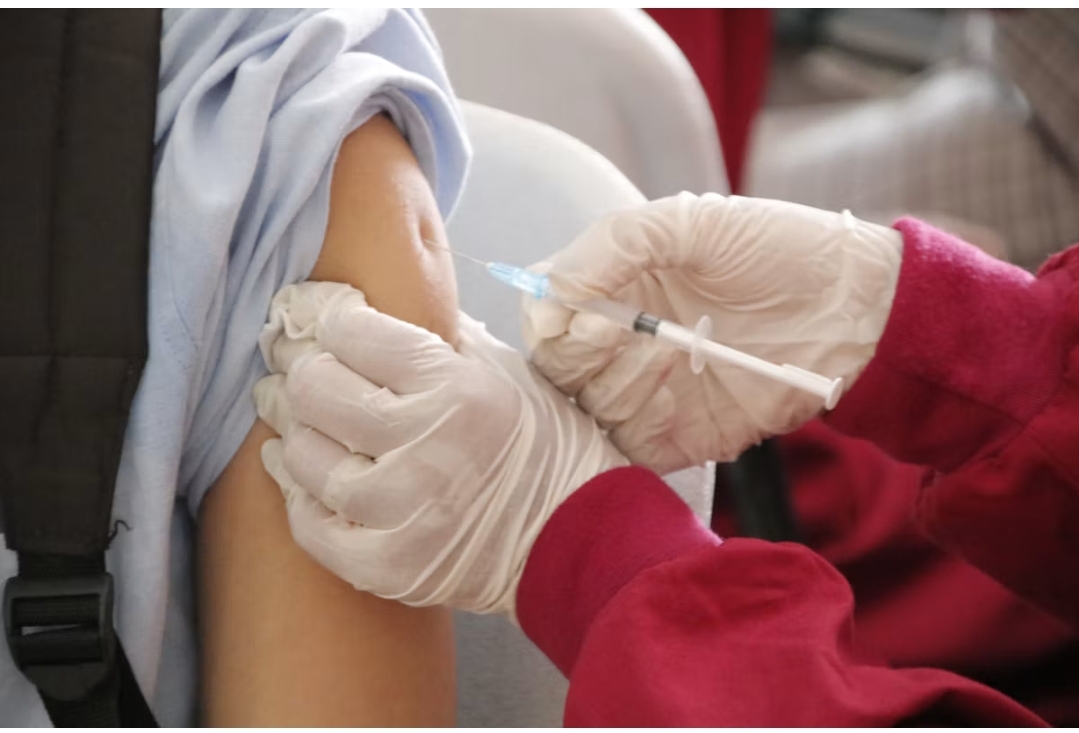
An off-the-shelf pancreatic cancer vaccine produced T-cell responses against KRAS mutations in 89 of 90 evaluable patients in a Mayo Clinic-led trial, but it did not significantly extend the time patients stayed free of disease, Mayo said on Oct. 23. Median disease-free survival was 23.8 months with the vaccine and 21.2 months with observation alone, a difference the trial did not find statistically significant. The gap between a strong immune signal and a small clinical one is the result, and a Phase 3 trial is planned to test whether the vaccine can delay recurrence.
What the Pancreatic Cancer Vaccine Trial Tested
The randomized Phase 2 trial, published in Nature Medicine, enrolled 144 patients with stage 1 to 3 KRAS-mutated pancreatic cancer who had finished surgery and chemotherapy and showed no visible cancer on imaging. Researchers assigned 96 to the vaccine and 48 to observation.
The vaccine is not individualized. It targets seven common KRAS mutations and is designed to reach the lymph nodes and help T cells recognize cancer cells carrying the mutated gene, according to Mayo. KRAS mutations appear in about 90% of pancreatic ductal adenocarcinomas.
Immune Response and Survival
Of the 90 vaccinated patients who could be evaluated for immune response, 89, or 98.9%, developed increased T-cell responses to mutated KRAS. Among patients evaluable at least 46 weeks after the study began, 95.5% still had a detectable response. More than eight in 10 evaluable patients reached a response more than nine times their pre-vaccine level, and those patients had longer disease-free survival than patients who did not, Mayo said.
That comparison came from an exploratory analysis. The primary endpoint, improved disease-free survival across the full group, was not met. The difference of 2.6 months between 23.8 and 21.2 is a calculation from Mayo’s figures. Overall survival results are not yet available.
What the Exploratory Findings Suggest
Mayo reported two signals that need testing. Patients without detectable circulating tumor DNA at the start showed a signal of longer disease-free survival with the vaccine than with observation, and so did patients who had not received radiation. Patients who had been treated with radiation had fewer lymphocytes and weaker KRAS-specific responses. Mayo cautioned that these findings do not establish which patients will benefit. In a small group of patients, the immune system also began recognizing cancer-related targets that were not in the vaccine, a process called antigen spreading.
What the Lead Author Said
Ben George, a Mayo Clinic medical oncologist and the study’s lead author, said, “Historically, pancreatic cancer has been very difficult to treat with immunotherapy.” He said the team “showed that we can teach the immune system to recognize these KRAS mutations,” and that the immune response gives researchers information for the next trial.
He also said one of the most useful lessons of a Phase 2 trial is learning why patients respond differently. Mayo lists longer follow-up and a larger study as the next requirements. The vaccine is investigational and not approved. A Phase 3 trial will test whether it can delay or prevent recurrence, and Mayo has not announced a start date.