New mothers who were paired with a patient navigator in Chicago attended 96% of their postpartum checkups, compared with 80% of mothers who got usual care, according to a randomized trial from Northwestern University published Oct. 2 in JAMA Health Forum. At one year, 57% of the navigated group had seen a primary care clinician, versus 30%.
The trial enrolled 405 low-income patients at Prentice Women’s Hospital between 2020 and 2024. The intervention is a person, not a drug or device, and a Northwestern release describes them as the first large-scale look at navigation for pregnant and postpartum patients.
What the Navigators Did
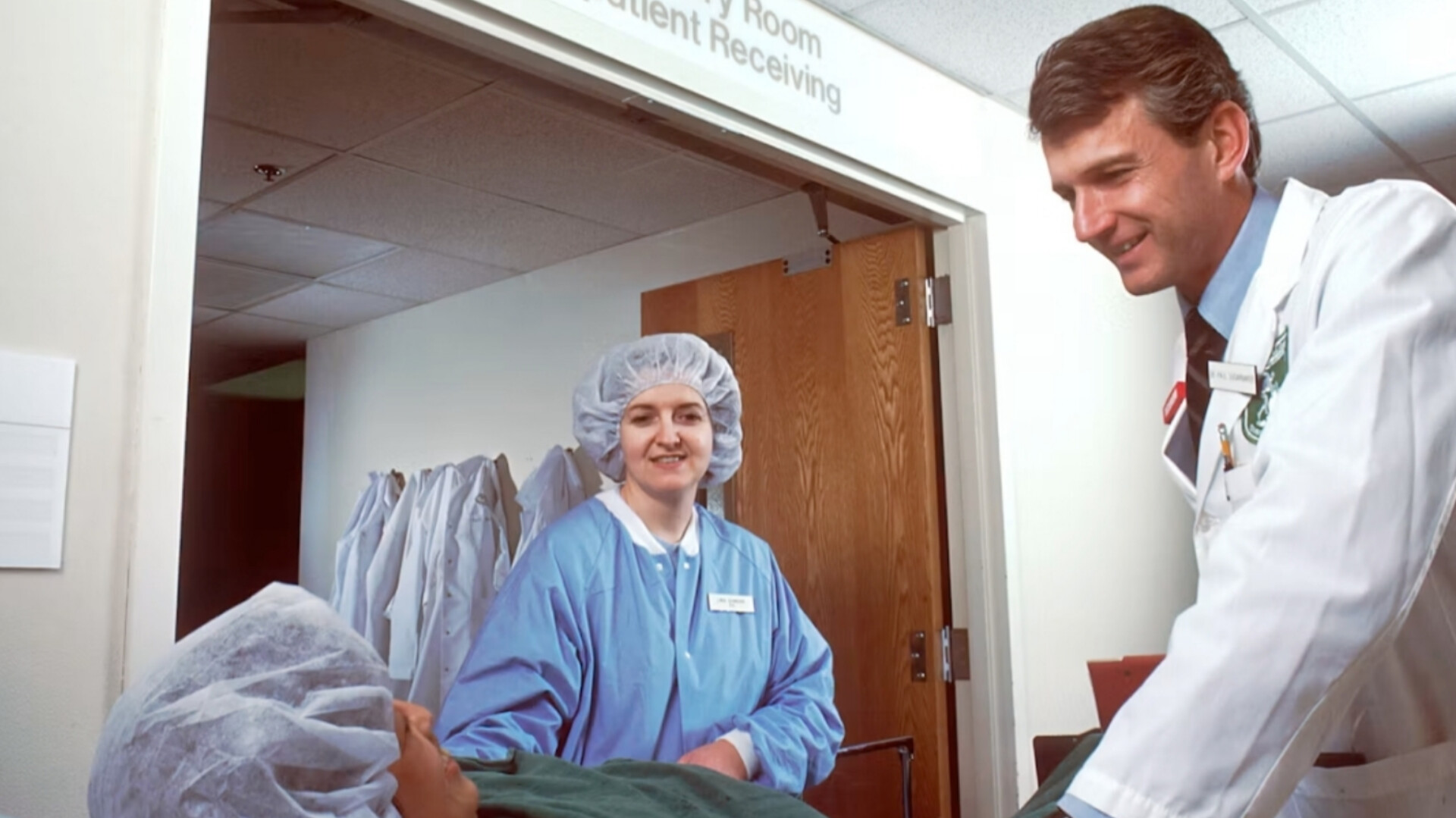
A patient navigator is a trained guide who helps people reach care and resources while working alongside the medical team. In this trial, which Northwestern registered as “Navigating New Motherhood 2”, the navigators started near the end of pregnancy and stayed with each mother through the first year after delivery.
They spoke English and Spanish. According to the release, they built postpartum care plans, scheduled and attended appointments, arranged transportation and childcare, communicated with clinicians and helped patients understand medical information. Lynn Yee, the study’s corresponding author at Northwestern University Feinberg School of Medicine, said the navigators’ aim was to “put themselves out of business” by the end of the year, when the mother no longer needed them.
The registry record lists the design as randomized, open label and parallel, with patients assigned at a 1:1 ratio. Eligible patients were 16 or older, at least 20 weeks pregnant or postpartum, covered by publicly funded prenatal care and able to speak and read English or Spanish. The control group received usual care. The registry lists the navigation services as support with transportation, community referrals, mental health, and appointment scheduling and reminders. Nothing was masked, so patients and staff knew who had a navigator.
The National Institutes of Health funded the trial under grant 1R01HD098178, the registry says. Enrollment was suspended March 16, 2020, and resumed June 8, 2020, because of COVID-19.
What the Trial Measured
The release reports these results for navigated patients versus patients receiving usual care:
- Attended a postpartum visit: 96% vs. 80%
- Counseled on all needed postpartum topics: 65% vs. 51%
- Screened for or treated for postpartum depression: 86% vs. 72%
- Primary care visit at one year: 57% vs. 30%
- Using a desired family planning method at one year: 65% vs. 43%
- Blood pressure testing: 85% vs. 62%
- Lipid testing: 28% vs. 13%
- Glucose testing: 31% vs. 16%
The gaps look different when the numbers are flipped. Four percent of navigated mothers missed the postpartum visit, while 20% of the comparison group did, so patients without a navigator were five times as likely to skip it. The primary care gap is 27 percentage points, and the navigated group was 1.9 times as likely to have made a visit. Lipid testing was 2.2 times as likely and glucose testing 1.9 times as likely.
The results also show how much work remains. Even with a navigator, only 28% of mothers had lipid testing and 31% had glucose testing, and about one in three were not using their preferred family planning method at one year (65% were). The navigators raised every measure the release reports, yet the testing figures stayed low.
Why Postpartum Follow-Up Matters
The Centers for Disease Control and Prevention says more than 80% of pregnancy-related deaths in the United States are preventable, and it counts a death as preventable if there was at least some chance it could have been avoided. The CDC’s prevention page draws on 2017-2019 data from maternal mortality review committees in 36 states and notes such deaths can occur during pregnancy and up to a year after. A year-long navigator program follows mothers across that whole window.
The trial did not measure deaths, and the release does not claim it did. Its outcomes are visits, counseling, screening and testing. Those are steps that can catch high blood pressure, depression and other conditions earlier, and they are the steps that fell away most often under usual care.
Yee also pointed to the strain on the broader system. In the release she said a fragmented health care system leaves many people without the care they need. Clinicians told the researchers that navigators handled rescheduling and administrative follow-up, which freed clinical time, the release says.
Limits and Next Steps
All 405 patients received care within one health system, Northwestern Medicine, and all were low-income and eligible for publicly funded prenatal care. The release calls for more research, and a single-site trial cannot show whether the same gains would appear elsewhere.
The registry record shows what the full study was built to answer. Its primary aim is a composite of health status at 4 to 12 weeks after delivery, covering retention in care, anticipatory guidance, desired contraception, depression screening and care, breastfeeding and recommended vaccinations.
Two other aims cover patient-reported outcomes and the views of obstetric and primary care providers, gathered through focus groups and surveys. The release does not state the cost per mother of a navigator or whether Northwestern Medicine will keep the program running beyond the trial.