Martin Lawrence created plenty of memorable personalities during the five-season run of “Martin,” but few have followed him through pop culture quite like Sheneneh Jenkins.
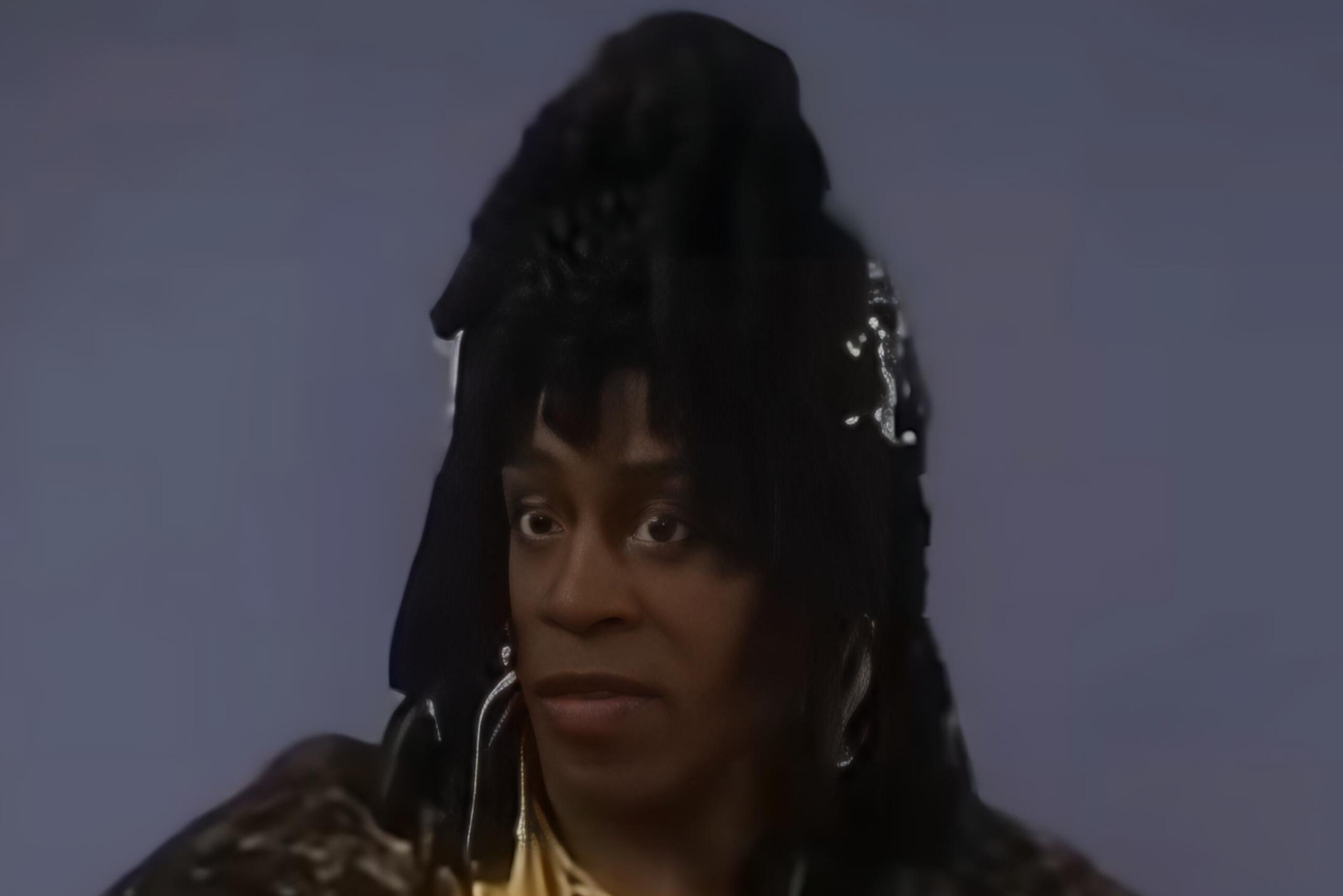
With her elaborate hairstyles, bold wardrobe and unshakable confidence, Sheneneh could turn a brief encounter in the hallway into an entire comedy routine. She was Martin Payne’s outspoken neighbor and a hairstylist who ran her own salon. She also regularly clashed with Gina and Pam.
More than three decades after “Martin” premiered, the character remains one of Lawrence’s most recognizable creations. But Sheneneh’s story began before she became one of the sitcom’s most recognizable personalities.
Martin Lawrence Built Sheneneh Jenkins From Women He Knew
Sheneneh was not simply created for “Martin.” Kristal Brent Zook’s book “Color by Fox: The Fox Network and the Revolution in Black Television” examines the character’s origins and notes that Lawrence initially developed Sheneneh through his stand-up comedy.
Lawrence has said that the inspiration came from women he knew growing up. While reflecting on why viewers embraced the character, he explained that Sheneneh reminded him of people in his own family.
“Sheneneh’s my sister, she’s my nieces,” Lawrence said while discussing the character and his comedy career. That familiarity helped make Sheneneh more than a costume or visual gag. Lawrence has described her as funny and “real,” saying he understood why audiences connected with her personality and attitude.
Sheneneh also became part of a much larger collection of characters Lawrence played on “Martin.” He transformed himself into personalities including Martin’s mother, Mama Payne, the flashy Jerome and young neighbor Roscoe. That willingness to disappear into other characters became one of the show’s trademarks.
Why Sheneneh Became One of ‘Martin’s’ Signature Characters
“Martin” premiered on Fox on Aug. 27, 1992, with Lawrence starring as Detroit radio personality Martin Payne alongside Tisha Campbell as Gina. While the central cast drove the sitcom, Lawrence’s alter egos quickly became an attraction of their own.
By the show’s 25th anniversary in 2017, Lawrence told Vanity Fair that viewers were still approaching him and asking him to perform characters such as Sheneneh and Jerome. He said he remained amazed by how deeply “Martin” had become embedded in popular culture.
Sheneneh’s influence eventually stretched beyond television. In 2014, Billboard reported that Atlanta group We Are Toonz’s viral Nae Nae dance was based on the Sheneneh character. The dance became a social media phenomenon years after “Martin” had left the air.
Lawrence has also credited Sheneneh with influencing another stage of his career. He said his enjoyment of transforming into the character with wigs and other physical changes helped inspire the approach he later took in “Big Momma’s House”.
The character nearly made an even bigger comeback. In 2022, Lawrence said he would still be interested in making a movie involving Sheneneh and Jamie Foxx’s Wanda, reviving an idea the pair had explored years earlier.
Sheneneh Followed a Comedy Tradition That Started Long Before ‘Martin’
Lawrence was not the first prominent comedian to build a hugely popular female alter ego. More than two decades before Sheneneh arrived, Flip Wilson turned Geraldine Jones into the standout recurring character on NBC’s “The Flip Wilson Show.” According to the Television Academy Foundation, Geraldine became Wilson’s most popular character, and he deliberately tried to avoid portraying her in a way that demeaned Black women.
The parallels with Sheneneh have also been examined academically. Zook’s “Color by Fox” discusses Sheneneh in the context of gender and Black television and notes comparisons between Lawrence’s character and Wilson’s Geraldine.
There are important differences between them, but both demonstrate a long-running comedy tradition in which male performers used elaborate female personas as recurring characters rather than one-off disguises.
For Lawrence, that tradition continued beyond Sheneneh through Mama Payne and eventually into the “Big Momma’s House” films. Sheneneh was not universally embraced, however. During “Martin’s” original run, some critics argued that Lawrence’s exaggerated characters reinforced racial and gender stereotypes. A 1997 Los Angeles Times examination of the show’s legacy documented criticism specifically directed at Sheneneh while also noting the sitcom’s enormous popularity with Black audiences.
Even so, Sheneneh remains one of the characters fans most closely associate with Lawrence. Her hairstyles changed, the outfits became more outrageous and the insults varied from episode to episode, but one thing remained constant: Sheneneh entered every room convinced she was the most important person in it.
That confidence helped turn what began in Lawrence’s stand-up act into one of the defining characters of “Martin” and eventually into a lasting part of his television legacy.