TEA COURT • CASE #001
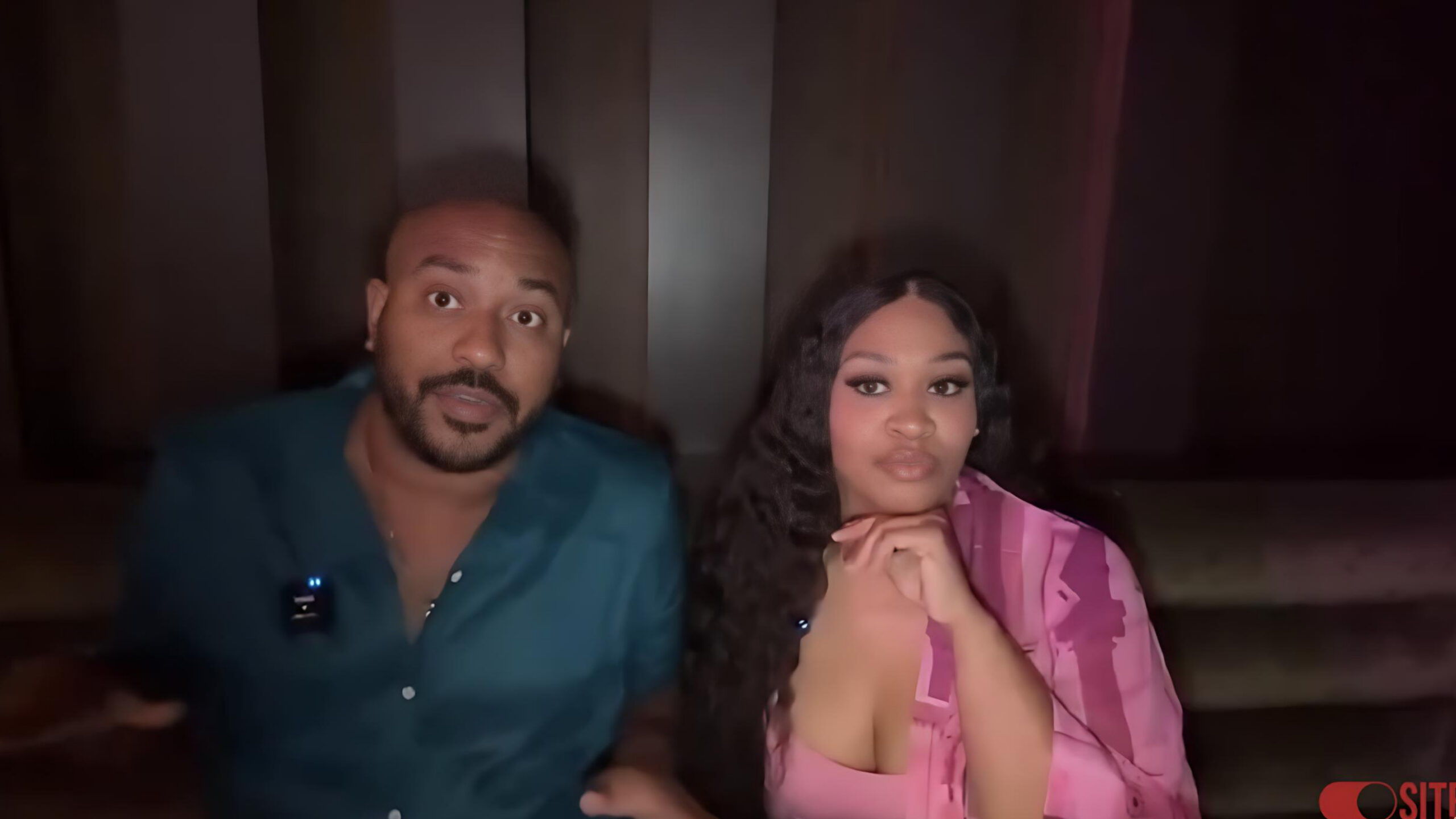
A content creator used AI to generate a highly realistic video of another person without their permission. The video quickly went viral, with many viewers believing it was real before discovering it had been created using AI.
Although the creator later clarified that the video was intended as satire, the individual featured claimed it damaged their reputation, caused emotional distress, and subjected them to online harassment. Supporters of the creator argue that it was simply creative expression and should be protected as free speech. Critics, however say using someone’s likeness without consent crosses a serious ethical and legal line, regardless of the creator’s intentions.
The courtroom is now in session, and the final verdict is in your hands. Every case has two sides, but only one question matters: Should creating or sharing AI-generated deepfakes of real people without their consent be considered a criminal offense?
What's your verdict?
You voted: