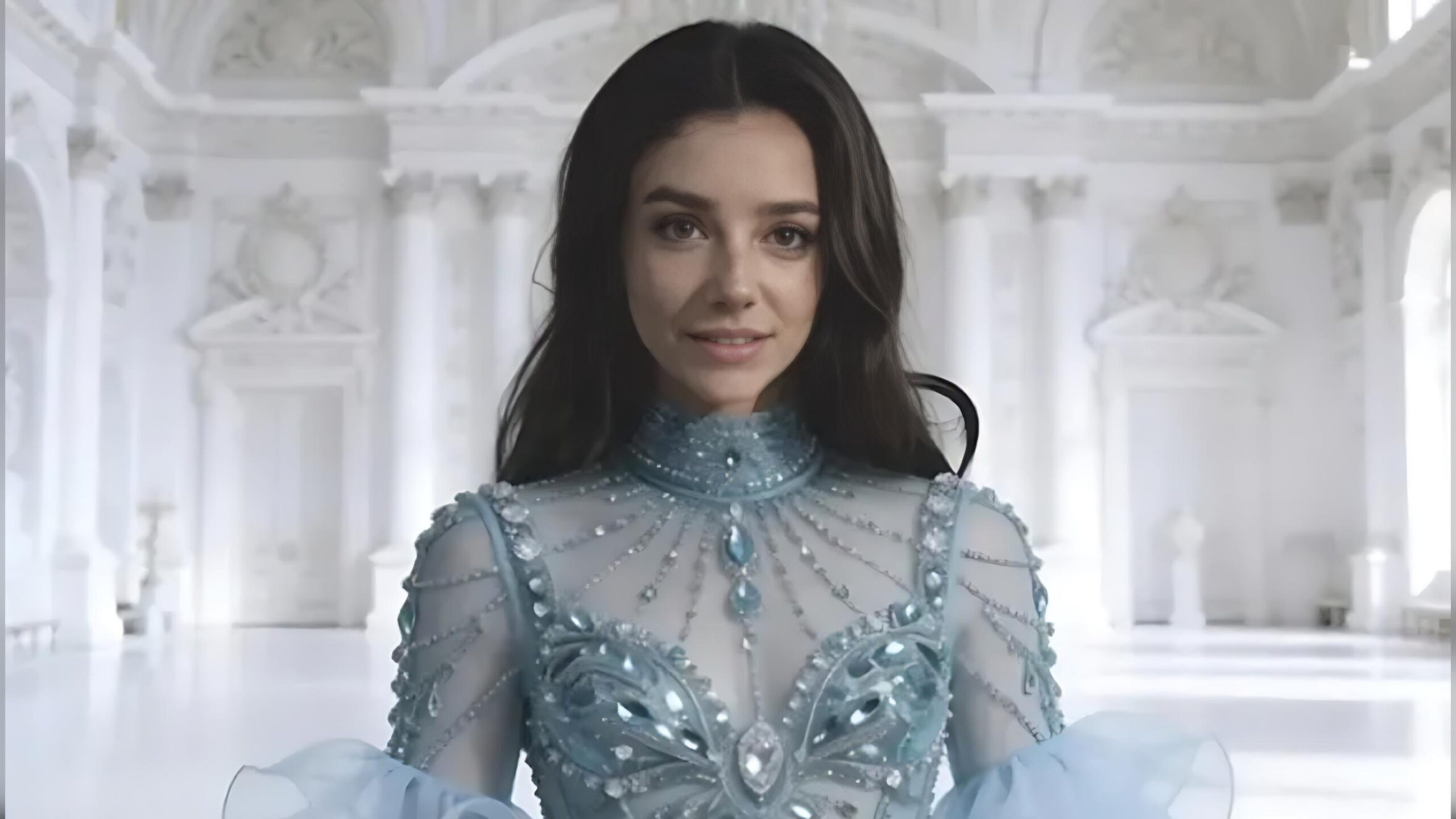
Tilly Norwood is an AI-generated performer created by the talent studio Xicoia, and this week NBC’s “Today” show, CNN and CBS each gave her a sit-down interview segment. The bookings came almost exactly a year after the actors’ union SAG-AFTRA publicly objected to synthetic performers replacing humans.
What Happened on NBC, CNN and CBS
On Sept. 14, 2026, the third hour of NBC’s “Today” show aired an interview between entertainment correspondent Chloe Melas and Norwood, a computer-generated character built by Xicoia, the AI studio founded by Eline van der Velden under her company Particle6. CNN and CBS booked their own interview segments with Norwood the same week, according to a report from Mediaite.
During the NBC segment, co-host Al Roker reacted to the interview on air, asking, “How bizarre is this?”
Melas later described the exchange as one that “kind of felt like talking to ChatGPT,” adding that Norwood’s “voice was robotic, she was glitchy, she also repeated herself in answers,” before concluding she does not think Norwood is “coming for our jobs quite yet.”
Norwood, speaking as the AI character, described her own role by saying, “it’s not everyday you get to be a new kind of paintbrush, is it?” When Melas raised safety concerns about AI performers, Norwood responded, “That’s a very serious concern.” Chloe. My purpose is to be a creative tool, not a threat.” Van der Velden also appeared in the NBC segment and called for “really good” regulation around AI performers, maintaining that Norwood functions as a creative tool rather than a replacement for human actors.
How Critics Reacted to the AI Actor Interviews
The appearances drew immediate criticism from media commentators who questioned why legacy news outlets treated a synthetic character as a newsmaker. Media critic Curtis Houck of NewsBusters said the coverage “illustrated a massive disconnect” between public alarm over AI risk and what he characterized as fawning coverage of an AI performer. Podcaster John Ziegler was more blunt, saying, “This insanity has GOT to be nipped in the bud!” regarding the networks’ decision to interview Norwood.
The response extended beyond television criticism circles. Entertainment outlets described the reaction as a wave of criticism aimed at the networks themselves, with one report noting the backlash centered on networks granting a media tour to a computer-generated character rather than a human performer with an actual project to promote.
SAG-AFTRA’s Standing Objection to Synthetic Performers
Norwood is not new. The character publicly debuted in September 2025, about one year before this week’s television appearances, and has drawn controversy since that debut. On Sept. 30, 2025, SAGAFTRA issued a statement addressing Norwood directly, saying, “‘Tilly Norwood’ is not an actor,it’s a character generated by a computer program that was trained on the work of countless professional performers — without permission or compensation.” The union added, “SAG-AFTRA believes creativity is, and should remain, human-centered. The union is opposed to the replacement of human performers by synthetics.”
That statement is nearly a year old. It remains the union’s operative position on Norwood and on AI performers generally, but SAG-AFTRA has not issued a new statement specific to this week’s NBC, CNN and CBS appearances. Any comparison between the union’s objection and this week’s interviews is a comparison to a standing position taken about a year earlier, not a fresh response to the September 2026 tour.
Why a Union Statement Can’t Stop a Network From Airing an Interview
SAG-AFTRA’s statement is a position statement, not an enforceable rule. The union can bargain over AI use in contracts covering its own members and can pressure studios and productions that employ union actors, but it has no authority over what a news division chooses to book as an interview segment. NBC, CNN and CBS are not employing Norwood as an actor under a SAG-AFTRA contract when they interview her on a morning or cable news program; they are treating her as a newsworthy subject, the same way they might interview any other viral figure. That is why the union’s objection and the networks’ bookings can both be true at the same time: one is a labor and industry position, the other is an editorial decision by news programming, and nothing legally or contractually connects the two. A year of public opposition from SAG-AFTRA did not require any network to decline an interview, because the statement was never a rule any network was bound to follow.
What Happens Next
Van der Velden has reportedly said Xicoia has roughly 40 additional AI performers in development, though that figure has not been independently confirmed. Whether that pipeline of AI characters materializes, and whether other networks follow NBC, CNN and CBS in booking interview segments with AI-generated performers, remains to be seen. The reaction this week, from Roker’s on-air surprise to criticism from commentators like Houck and Ziegler, suggests any future bookings will draw similar scrutiny, particularly given how recently the industry’s own union voiced opposition to the underlying technology.
For now, Norwood’s media tour has become a test case for how television news treats AI-generated public figures, arriving at a moment when the debate over AI’s role in acting has not been resolved so much as set aside by individual editorial choices at each network.