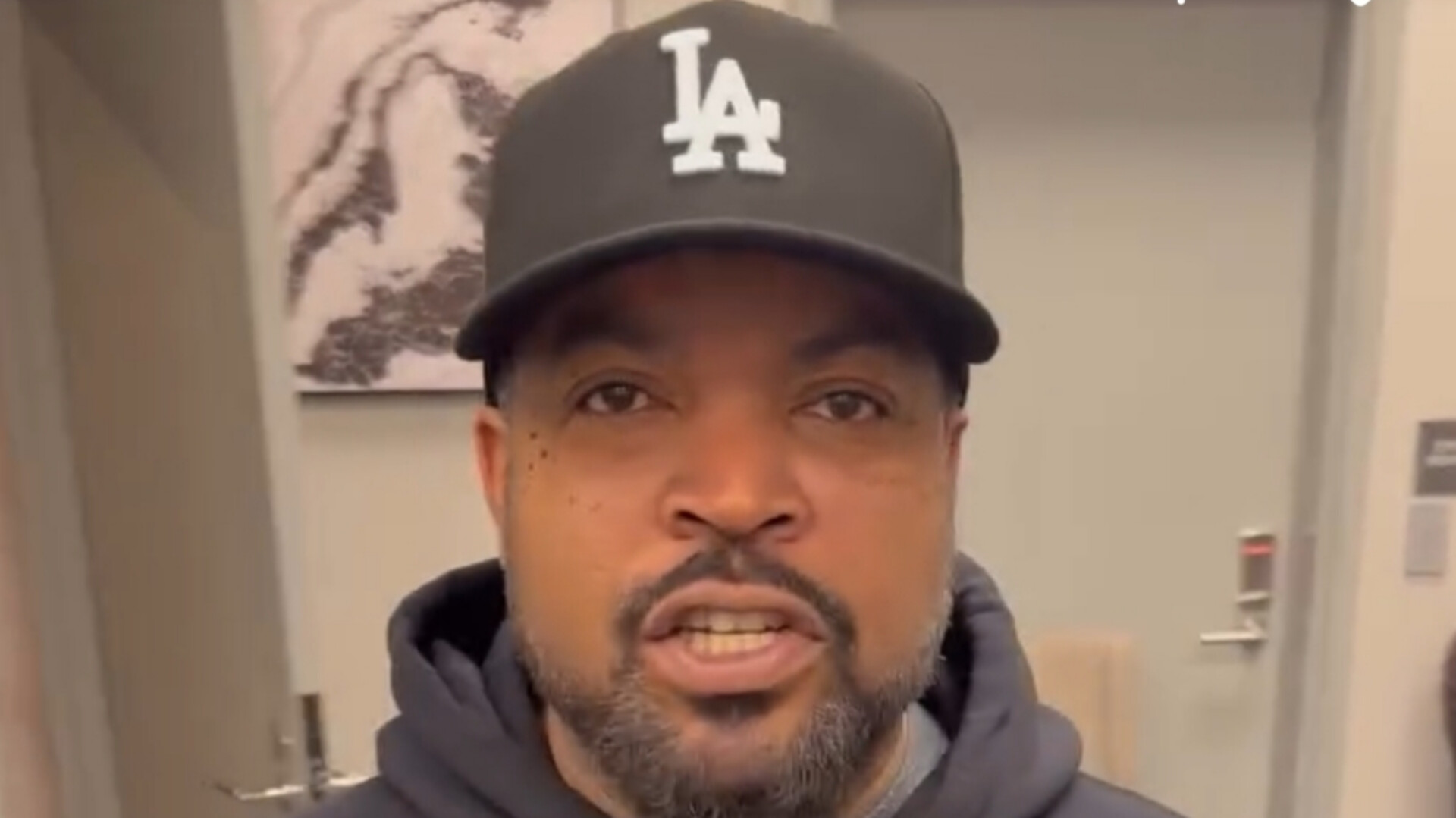
Did Travis Scott win his sample lawsuit? Not on the merits. Songwriters Dion Norman and Derrick Ordogne filed a notice on Oct. 9, 2026 dismissing their New Orleans copyright suit over “Stargazing” and “Til Further Notice” without prejudice, which leaves them free to sue again.
What the Notice Does
The plaintiffs filed a two-page notice of voluntary dismissal in the U.S. District Court for the Eastern District of Louisiana. It is Document 88 in Case No. 2:24-cv-00240, signed by their lawyer, DaShawn Hayes of The Hayes Law Firm in New Orleans. The defendants are Jacques Webster II, who records as Travis Scott, producer Leland Wayne, known as Metro Boomin, James Litherland, known as James Blake, Sony Music Publishing and Sony Music Holdings.
The notice relies on Federal Rule of Civil Procedure 41(a)(1)(A)(i). Under the federal rules, a plaintiff may dismiss without a court order by filing a notice before the opposing party serves an answer or a motion for summary judgment. The notice states that no defendant has served either. It also invokes Rule 41(a)(1)(B), under which a dismissal is without prejudice unless the notice says otherwise. This notice does not.
The notice gives no reason for the dismissal and does not say whether the sides settled. Music Business Worldwide, which published the notice, reported that the filing is silent on a settlement. Nothing in the notice suggests either side paid or conceded anything. A calculation from the filing dates: the case ran 988 days from the Jan. 25, 2024 complaint to the Oct. 9, 2026 notice, which is about two years and eight months.
The Songs at Issue
The original complaint says Norman and Ordogne wrote and recorded “Bitches (Reply)” around 1991. It appeared in 1992 on DJ Jimi’s album “It’s Jimi.” The complaint cites copyright registration SR0000863597, lists the two men as claimants and calls the song “wholly original.”
The suit targeted two Scott tracks. The first, “Stargazing,” came out on Aug. 3, 2018, on the album “Astroworld.” The complaint places the sample at the 3:46 mark. The second, “Til Further Notice,” came out on July 28, 2023, on “Utopia.” The complaint says a vocal phrase from the opening seconds of “Bitches (Reply)” appears in that track at six points: 0:19, 0:47, 1:10, 1:33, 2:10 and 2:35. A calculation from those timestamps puts the average gap between insertions at about 27 seconds.
The complaint says Sony distributed both songs on Apple Music, Spotify, YouTube Music, Pandora, Amazon Music and Tidal, and sold vinyl at Target and Best Buy, including in Louisiana, and through Scott’s website. The plaintiffs pleaded those sales in part to tie the case to Louisiana.
The complaint also alleges that after “Utopia” came out, a sample clearance vendor contacted the plaintiffs about clearing the use, which the complaint treats as the defendants admitting the use was unauthorized. The complaint calls “Bitches (Reply)” “the ultimate source of music sampling and interpolation in Rap/Hip Hop” and lists 19 songs by other artists that it says sampled or interpolated it. By the plaintiffs’ own description, the record is one of the most reused in the genre, and they sued over only two of those uses.
The Claims and What They Sought
Two counts of copyright infringement made up the suit. The first covered “Til Further Notice” and named all five defendants. The second covered “Stargazing” and named Scott, Sony Music Publishing and Sony Music Holdings. The complaint alleges the use was “willful with full knowledge of and complete disregard for Plaintiff’s rights.”
The plaintiffs asked for actual damages or the defendants’ profits, or statutory damages under 17 U.S.C. § 504 at their election, plus an accounting, fees, costs, interest and a jury trial. The complaint gives no dollar amount. Music Business Worldwide reported that a July 2024 amended complaint added a request for a permanent injunction against exploiting both songs and for public credit.
What the Defendants Argued
The defense side of the record is thinner. Music Business Worldwide reported that Scott’s lawyers moved to dismiss in June 2024. In that outlet’s account, they argued that the case belonged in a different court, that the claims failed on the merits, that the “Stargazing” claim came too late and that the plaintiffs’ copyright registrations were open to question.
The same report says a judge denied the jurisdiction and venue arguments in December 2025 but let the defendants raise them again after limited jurisdictional discovery. That ruling matters to the timing. A court that lets a defendant renew a venue challenge after discovery signals that the plaintiffs still had to prove the case belonged in Louisiana. The notice came before the record shows any second round.
The notice names no defense lawyer, and none of the defendants has said publicly why the case ended. No statement from Scott, Metro Boomin, James Blake or Sony appears in the court filings reviewed for this article.
A Judge Change in the Record
The caption numbers show a reassignment. The complaint’s case number ends in BSL-MBN, the initials of the original district judge and magistrate judge. The Oct. 9 notice ends in ASJ-EJD, and its text names District Judge Anna St. John and Magistrate Judge Eva J. Dossier.
Music Business Worldwide’s report names a different judge for the December 2025 ruling, District Judge Brandon S. Long, whose initials match the complaint’s suffix. The filings point to the case moving from one judge to another at some point after that ruling, though the notice does not say when or why.
What Happens Next
Because the dismissal is without prejudice, the plaintiffs may file again. The rule also carries a limit: if a plaintiff has already dismissed an earlier suit on the same claim, a second notice counts as a decision on the merits. The filing does not say whether Norman and Ordogne brought an earlier action.
Until someone files again or announces a deal, the record shows only that two songwriters who accused a major hip-hop star of using their 1991 recording ended their case on their own terms, 988 days in, with no ruling on whether the sample was licensed.