Acne may heal in a few days, but the scars they leave behind can last for months or even years! Most times, these scars are even more frustrating than the breakouts. The beauty industry has a massive supply of products that promise glass skin in a blink and flawless skin overnight. But in reality, there is no instant cure for acne scars, and it is more than one magic product. Instead, it’s about understanding your skin, using the right ingredients, and sometimes getting professional help. To answer your question about how to get rid of acne scars, here’s what actually works.
What Causes Acne Scars?
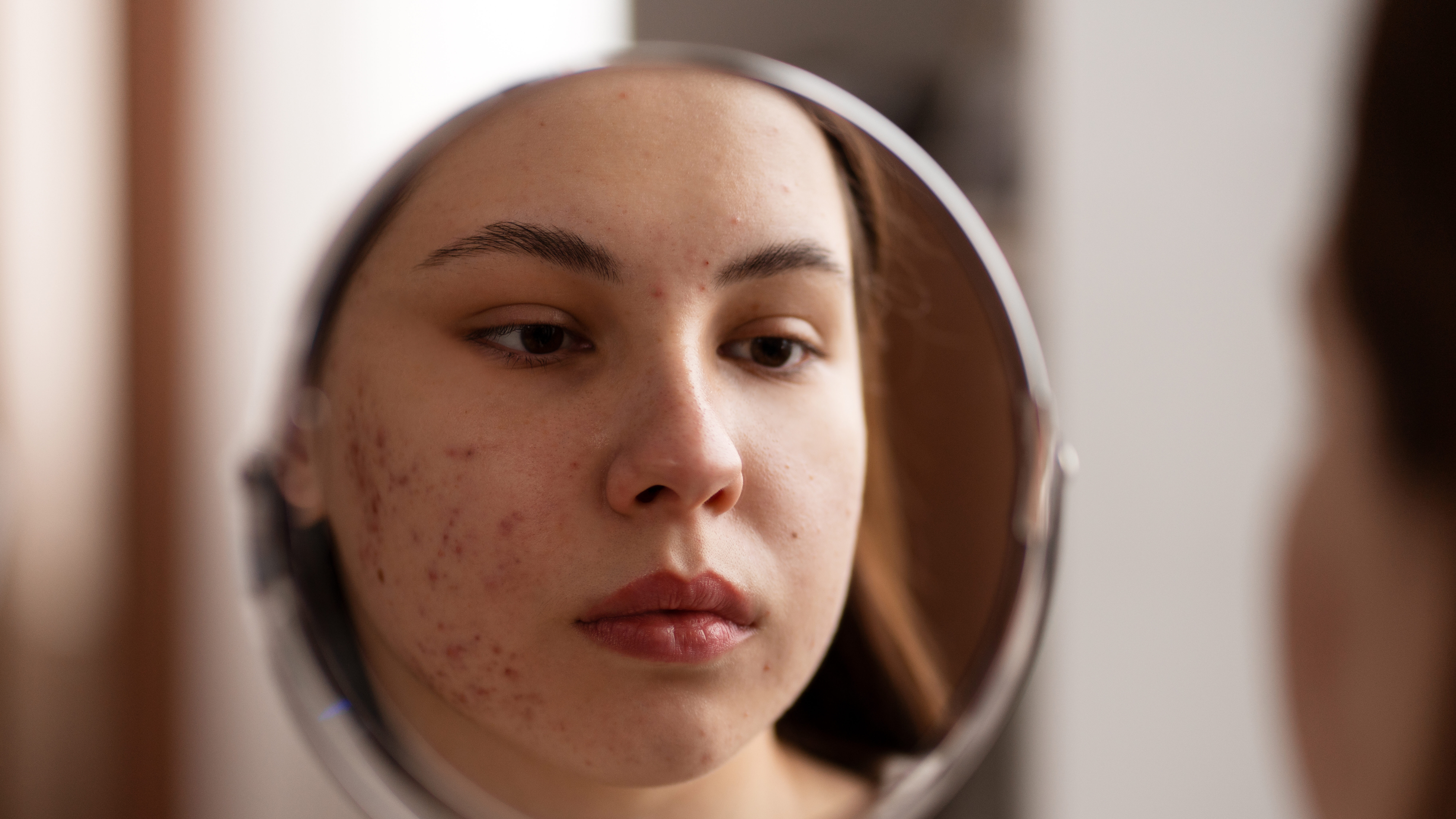
Acne scars form when inflamed pimples damage the skin’s deeper layers. As the skin heals, the body produces collagen to repair the damage. Too little collagen causes depressed scars to form, while too much collagen can lead to raised scars. It’s also important to know the difference between acne marks and true acne scars.
Acne marks are flat brown, black or reddish spots that appear after a breakout. They are also called post-inflammatory hyperpigmentation (PIH), and often fade over time. True acne scars, however, involve a change in the skin’s texture and usually require more specific treatment.
Types of Acne Scars
Different scars respond to different treatments. Here are some types of scars.
- Ice pick scars are narrow, deep holes that extend into the skin. They are one of the most difficult acne scars to treat.
- Boxcar scars are broader, round or oval depressions with well defined edges. They usually develop after inflammatory acne.
- Rolling scars create a wave-like appearance because bands of scar tissue pull the skin downward.
- Hypertrophic and keloid scars are raised scars caused by excess collagen production during healing. They are more common on the chest, shoulders and jawline.
Knowing the type of scar you have is crucial to lasting treatment because no single treatment works for all kinds of acne scars.
Ingredients That Help Fade Acne Scars
- Retinoids increase skin cell turnover, which helps to fade pigmentation and improve overall skin texture.
- Vitamin C brightens the skin and reduces uneven pigmentation caused by past breakouts.
- Niacinamide helps calm inflammation, strengthen the skin barrier, and gradually improve skin tone.
- Azelaic acid reduces redness, treats acne and helps lighten post-acne discoloration. This makes it an excellent choice for acne-prone skin.
- Alpha hydroxy acids (AHAs), such as glycolic acid and lactic acid, gently exfoliate the skin’s surface and encourage new skin cells to form.
- Beta hydroxy acids (BHAs), especially salicylic acid, penetrate deep into pores to prevent future breakouts and also improve skin texture.
- Sunscreen is a non-negotiable. Daily SPF 30 or higher helps prevent acne marks from becoming darker and protects healing skin from UV damage.
Professional Treatments That Actually Work
Using topical products can improve mild acne scars, but with deeper scars, you need professional care.
- Microneedling is a procedure that uses tiny needles to stimulate the production of collagen and improve skin texture and tone. This helps with rolling and shallow boxcar scars.
- Chemical peels remove damaged surface skin and encourage fresh skin growth. They can improve both pigmentation and mild textural scars.
- Laser resurfacing is very effective for moderate to severe acne scars because it stimulates collagen while resurfacing damaged skin.
- Dermal fillers can temporarily lift depressed scars, making the skin appear smoother almost instantly.
- Subcision is a minor procedure that releases scar tissue beneath rolling scars. This allows the skin to lift naturally.
For best results, most dermatologists combine multiple treatments.
Can Acne Scars Go Away Naturally?

The answer depends on what exactly you’re treating. With acne marks, they naturally fade away within some months with proper skincare and sunscreen. True acne scars, however, do not usually disappear on their own. Over time, though, they may become less obvious. But with permanent scars, you need treatment to improve their appearance.
Common Mistakes That Make Acne Scars Worse
Some everyday habits can worsen how your acne scars look.
- Picking or popping pimples increases inflammation and the risk of permanent scarring.
- Skipping sunscreen allows UV rays to darken acne marks and slow down the healing process.
- Over-exfoliating can damage the skin barrier and irritate it.
- Harsh DIY remedies like lemon juice, toothpaste or baking soda may burn the skin and worsen pigmentation.
A gentle and consistent skincare routine is more helpful than aggressive home treatments.
How Long Does It Take to See Results?
When treating acne scars, you need lots of patience. Topical ingredients like retinoids, vitamin C and azelaic acid usually take about 8 to 12 weeks for visible improvements to appear.
For professional treatments however, you need three to six sessions, spaced several weeks apart. But this depends on the severity of the scars. Deep acne scars may continue improving for months as collagen rebuilds beneath the skin.
How to Prevent New Acne Scars
The best way to treat acne scars is to prevent them in the first place. Before acne becomes severe treat them early. Stop picking at your pimples, wear sunscreen daily and have a consistent skincare routine. If your acne is painful, cystic or keeps returning, seek treatment immediately, to reduce the risk of permanent scarring.
When Should You See a Dermatologist?
If over-the-counter products haven’t improved your acne scars after several months, or if your scars are deep and widespread, it’s time to consult a dermatologist. A skin specialist can accurately identify your scar type and recommend treatments that would deliver noticeable results.
The Bottom Line
If you’re wondering how to get rid of acne scars, remember that the best treatment depends on the type of scar you have. Acne marks often respond well to skincare ingredients like retinoids, vitamin C and azelaic acid. But with deeper scars, you often require procedures like microneedling, laser resurfacing or chemical peels. With patience, consistency and the right treatment plan, you can achieve your goal of healthier and smoother-looking skin.