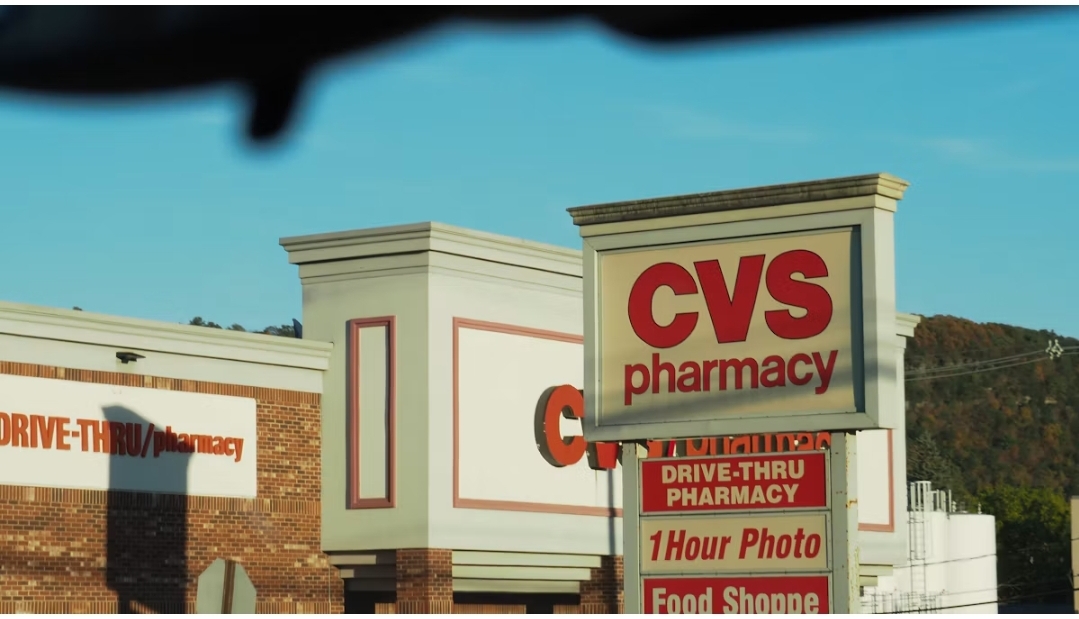
CVS agreed to pay $315 million to resolve Justice Department claims that its pharmacies filled unlawful opioid prescriptions and billed federal health programs for them, the department said Oct. 13. The release states that the claims are allegations and that no court has determined liability.
What the Settlement Covers
The Justice Department announced two agreements with CVS Pharmacy Inc. and related corporate entities. One resolves claims under the Controlled Substances Act. The other resolves claims under the False Claims Act. The release gives a single total of $315 million and does not say how much of it belongs to each agreement.
The conduct covered runs from Oct. 17, 2013, through Dec. 2, 2025. That span is 4,429 days, or about 12.1 years. Divided evenly, $315 million works out to about $26 million for each year of the period. That is a calculation from the release’s dates and total, not a figure the department reported. The release does not report any admission of wrongdoing by CVS.
What the Government Alleges
The department’s release lists several categories of conduct. It alleges that CVS pharmacists dispensed dangerous and excessive quantities of opioids and filled opioid prescriptions too early. It alleges they filled so-called trinity prescriptions, a combination of an opioid, a benzodiazepine and a muscle relaxant. It also alleges they filled prescriptions from prescribers the release calls pill mills, meaning doctors who wrote large numbers of controlled-substance prescriptions with no medical purpose.
The release says pharmacists ignored clear warning signs. It also describes company practices. The Justice Department alleges that performance metrics, incentive pay and staffing policies put profit ahead of patient safety, and that understaffing limited pharmacists’ ability to meet their legal duties. It alleges that CVS policies kept pharmacists from warning one another about problem prescribers.
The False Claims Act portion rests on a separate allegation. The department said CVS sought payment from Medicare and other federal health care programs for many of the prescriptions it filled in violation of the Controlled Substances Act.
The Whistleblower Lawsuit
The False Claims Act agreement resolves a lawsuit titled United States ex rel. Hillary Estright v. CVS Health Corporation, et al., No. 22-cv-00222, in the U.S. District Court for the District of Rhode Island. The release lists Dec. 13, 2024, as the complaint date. Estright, a former CVS employee, filed the case under the law’s whistleblower provision, and the government intervened and took over the case.
The release says Estright’s share of the recovery has not been determined. The Justice Department’s April 2025 Walgreens release shows how such shares work. In that case, former employees who filed four whistleblower suits received 17.25% of the government’s False Claims Act recovery.
Several offices worked the case. The department’s Civil Division, through its Commercial Litigation Branch and its Enforcement and Affirmative Litigation Branch, joined U.S. attorneys’ offices for the District of Rhode Island, the Eastern District of Virginia, the Eastern District of Texas and the District of Hawaii. The Drug Enforcement Administration’s Office of Diversion Control led the investigation, with help from the Health and Human Services inspector general, the Defense Criminal Investigative Service, the Defense Health Agency, the Office of Personnel Management, the Labor Department inspector general and the Veterans Affairs Department.
Changes CVS Must Make
CVS also entered a memorandum of agreement with the DEA that governs future dispensing of controlled substances. The release lists three requirements: a hotline for employees and the public to report suspected illegal dispensing, proactive monitoring of pharmacy dispensing patterns and a process for evaluating prescribers suspected of illegal prescribing.
Assistant Attorney General Brett A. Shumate of the Civil Division said the settlement requires CVS to implement additional safeguards so that opioid prescriptions are dispensed only when medically appropriate. Miranda L. Bennett, acting deputy inspector general for investigations at the Health and Human Services Office of Inspector General, said in the release that behind every unlawful prescription is “a patient who could be put in harm’s way.”
The release does not include a statement from CVS. It directs anyone with information about suspected health care fraud to the Health and Human Services tip line at 800-447-8477.
How the Figure Compares with the Walgreens Deal
The Justice Department resolved a similar case against Walgreens in April 2025. In that settlement the company agreed to pay $300 million, with up to $350 million owed if it was sold, merged or transferred before fiscal year 2032, according to the department’s release. The department said the amount was based on Walgreens’ ability to pay.
The Walgreens allegations ran from about August 2012 through March 1, 2023, a span of roughly 10.6 years if the start is counted from Aug. 1. On that basis the $300 million base payment equals about $28 million a year. The CVS figure, at about $26 million a year, is slightly lower per year, though the CVS total is $15 million higher than the Walgreens base because it covers a longer period. These are calculations from the two releases’ dates and totals.
The allegations in the two cases overlap. Both involve excessive quantities, early fills, trinity prescriptions, pressure on pharmacists and policies that kept pharmacists from sharing information about prescribers. Both settlements resolved claims under the Controlled Substances Act and the False Claims Act, and both came with DEA memorandums of agreement. The Walgreens agreement also included a five-year corporate integrity agreement with the Health and Human Services inspector general.
What Officials Said and What Comes Next
Associate Attorney General Stanley E. Woodward Jr. said the settlement holds bad actors accountable for their conduct and makes Americans safer. Charles C. Calenda, first assistant U.S. attorney for the District of Rhode Island, said the opioid epidemic has affected families and communities across Rhode Island and throughout the nation. Cheri Oz, the DEA’s assistant administrator, said the settlement reflects the agency’s commitment to protecting the health and safety of Americans.
The release is dated Oct. 13 and was updated Oct. 14. It lists the department’s press release number as 26-1170. The remaining open item is the whistleblower’s share, which the release says has not been set.