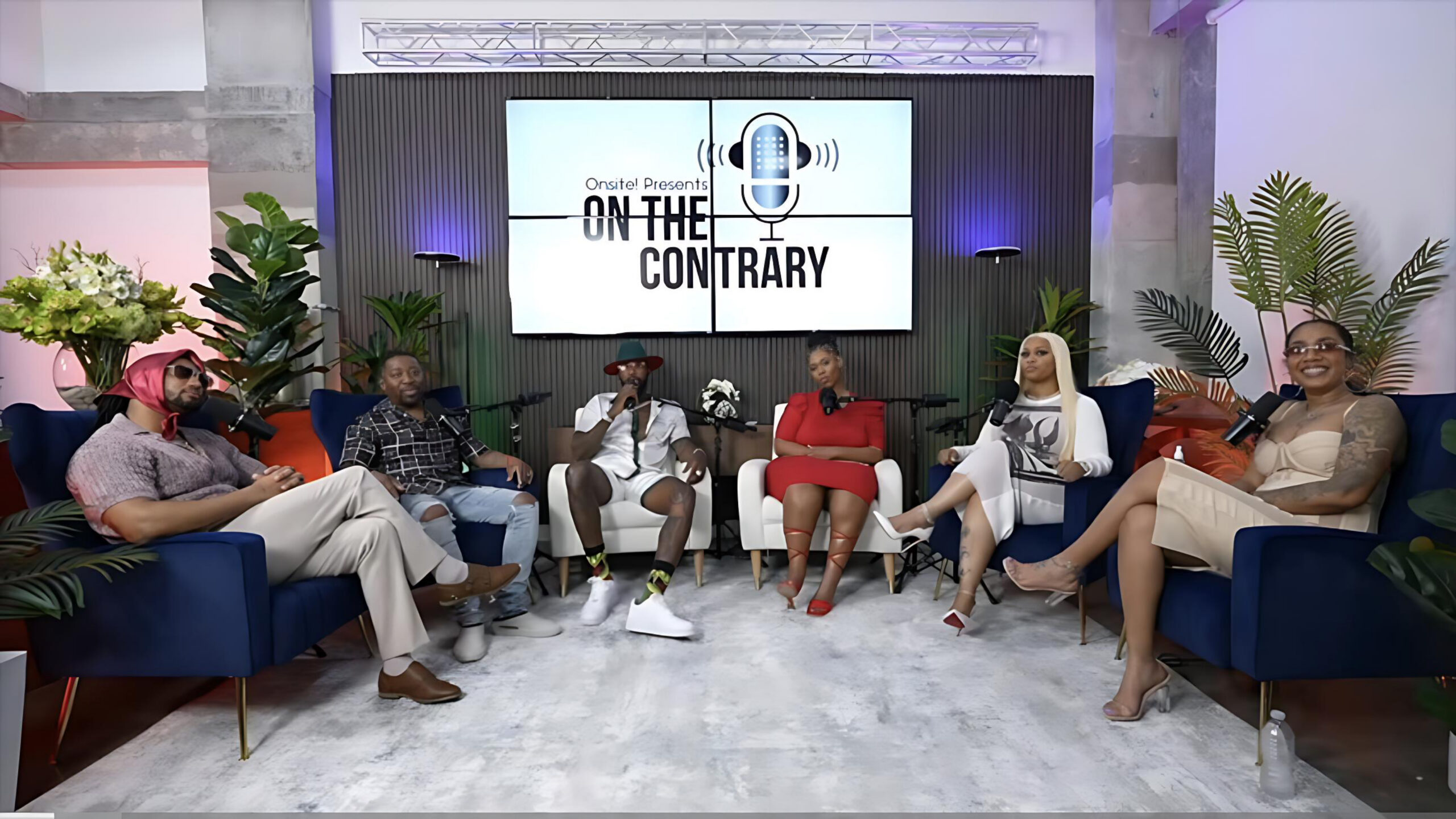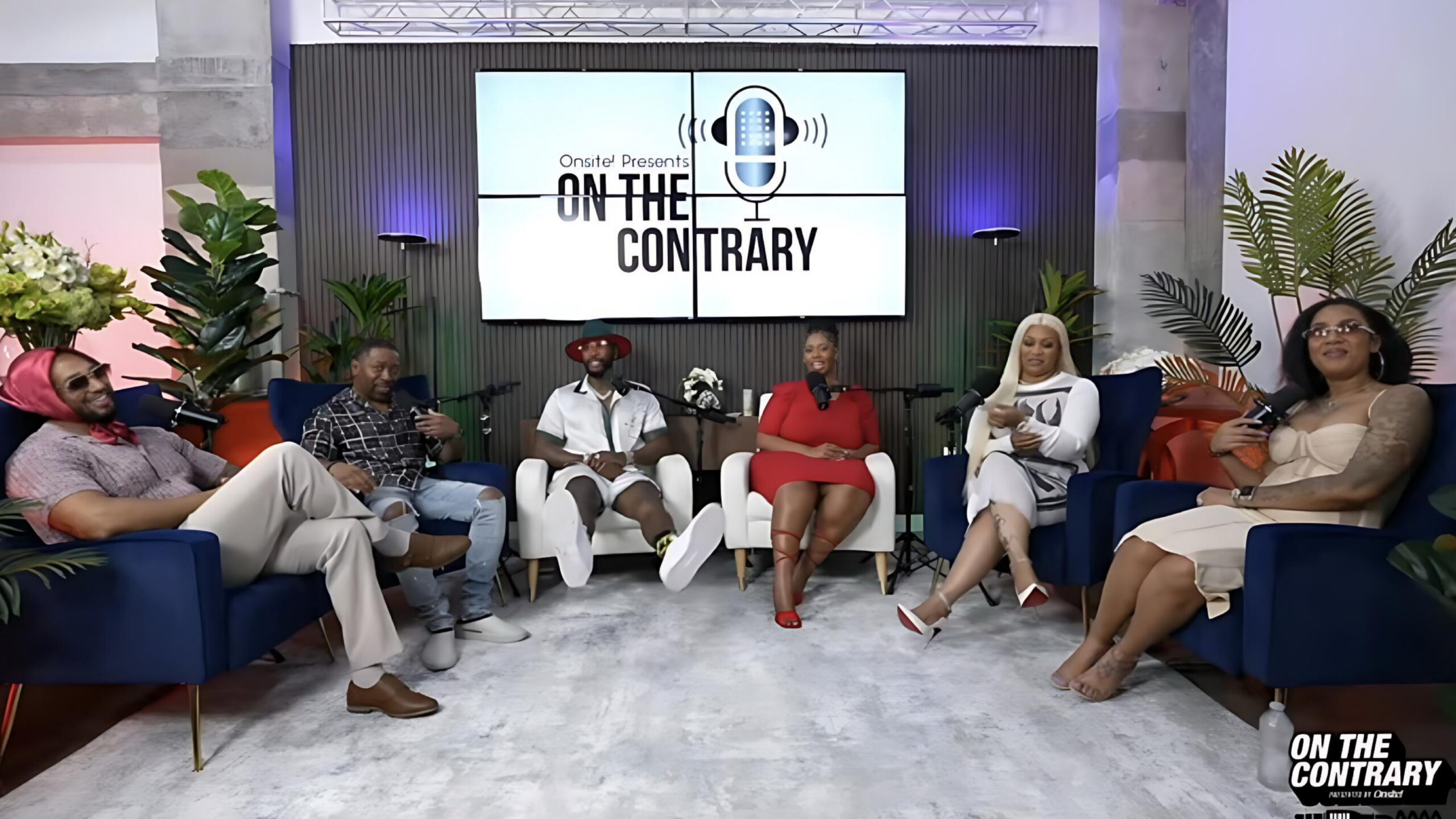
This is the conversation the internet has had a million times, but rarely with this much honesty. On the latest episode of On the Contrary, Rah Ali, Luis, Kash the Sexologist, Randi, Rico, and Mr. Organic go all the way in on one of the most culturally debated topics: Black men who date or marry white women.
Is it about personal preference, social status, the environments people grow up in, or deeper issues involving trauma and colorism? And why does the community have such a strong reaction every single time?
Are Most Black Men Actually Married to Black Women?
Rah opens with a point that often gets overlooked in these debates: statistics show that most Black men are married to Black women. The conversation is not about the majority. It is about the men who choose to date outside the community and what might be driving those decisions. Understanding the broader picture matters, especially when high-profile interracial relationships can sometimes dominate public conversations about Black men and dating.
Is Having a White Wife Still Seen as “Making It”?
Randi points to an unspoken belief in the community. She says some people view having a white wife as a sign that “I made it.” She also raises concerns about generational trauma. Some people may want to “lighten our genes” in hopes of sparing their children the discrimination and struggles they experienced themselves.
The conversation expands into colorism and identity. The panel touches on how societal beauty standards, including the pressure to conform to a “white aesthetic” through hair and appearance, still shape how people see themselves and each other.
Is It About Proximity More Than Preference?
Mr. Organic brings a practical perspective to the debate, pointing to athletes as an example. Many young athletes attend predominantly white schools and spend significant time in environments where most of the people around them are white. He argues that proximity plays a role in who people meet and form relationships with.
When young men enter these environments through school, sports, or other opportunities, their social circles can influence whom they date. That perspective introduces another consideration into the debate. While people have their own preferences, the environments they move through can shape the opportunities they have to meet potential partners.
Is Trauma Playing a Role?
Luis raises the possibility that generational trauma can influence relationship choices. The panel questions whether dating outside the community is a way to escape past experiences. The discussion explores how personal struggles can shape romantic preferences. However, people have different reasons for choosing their partners, and trauma may be only one part of the picture.
What Does This Conversation Really Reveal?
The conversation turns toward unity, healing, accountability, and the kind of environment the next generation will inherit. Rather than focusing solely on whom people choose to date, the discussion invites a closer look at the social pressures, personal experiences, and cultural attitudes that can influence those choices.
Final Thoughts from On the Contrary
Dating is personal, but within a community shaped by a long history of racism and colorism, personal choices can become part of a much larger cultural debate. For some, the conversation is about proximity. For others, it raises questions about trauma, status, and beauty standards. And for many, personal preference remains an important part of the picture.
There is no single explanation for why Black men date or marry white women, and an interracial relationship does not automatically reveal someone’s motivations or beliefs. The reaction to these relationships, however, offers an opportunity to examine the assumptions people make about race, identity, and what it means to succeed.
That is the broader conversation explored on On the Contrary: looking beyond the surface of a controversial topic to question the beliefs and experiences that shape how people see themselves and one another.