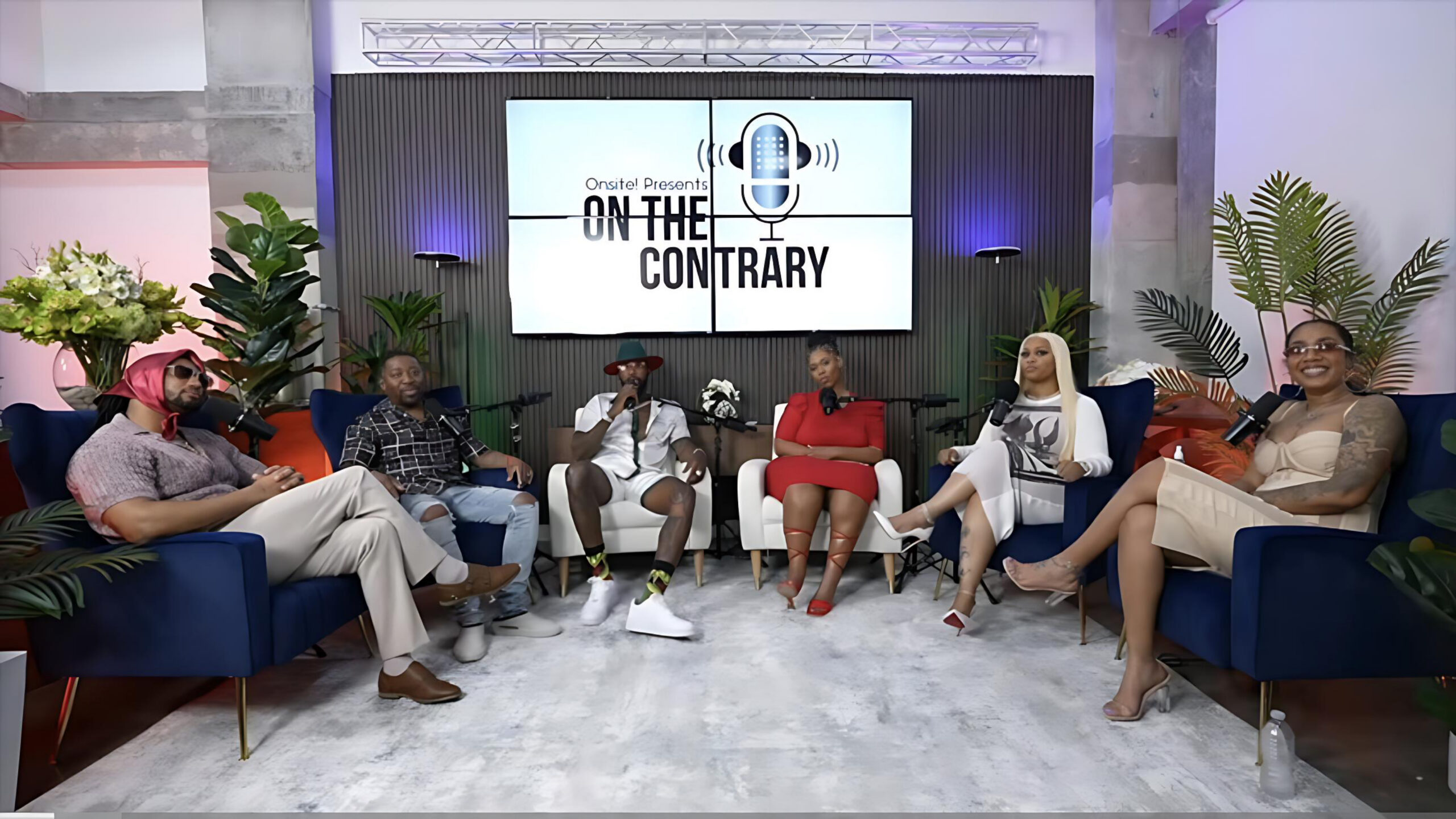
Would you choose money, power, or respect if you could only have one? On this episode of On the Contrary, Rah Ali, Luis, Kash the Sexologist, Randi, Rico, and Mr. Organic tackle that question, and the table divides almost immediately. What starts as a simple choice turns into a raw debate about what people actually value, what can be taken away, and what truly lasts.
Would You Choose Money, Power or Respect?
Luis chooses money. He understands its influence and believes the other two can follow. When you have money, people start to look at you differently. Ownership creates a certain level of power, and respect often follows.
Randi agrees with Luis, arguing that money influences how people treat you. In her view, people often respect you because of what you have in your pocket. Rico chooses respect. He pushes back against the idea that money can buy it.
“You can’t unlame a lame.” He says people think you can buy respect or buy being cool, but you can’t. People who get power through money often lose that power because they are not respectable. In his view, respect is the only thing you can actually have and then use to get everything else and sustain it.
Why Respect Matters More Than Money or Power
Mr. Organic also chooses respect. He says he’s had money and power at one point in the streets, but nothing was more valuable to him than respect. When he lost money, the respect he had earned from others helped put him in a position to get it back. He has known people who didn’t appear wealthy, only to discover later that they had money. Their ability to carry themselves without displaying their wealth earned his respect.
He puts it plainly: “power gets you killed, if somebody respects you, they’re not going to kill you. They’re not going to harm you. But if all you have is power, somebody can still take you out.” His argument is that power alone cannot guarantee your safety. Respect, in his experience, can carry a different kind of influence.
Why Kash Chose Power Instead of Respect
Kash picks power. She explains that power can come from people respecting you, from having money, or from a combination of both. She points out that there are people who are well respected but still live very difficult lives and die that way. To her, respect alone isn’t enough if it doesn’t give someone the ability to change their circumstances.
“If you have power, you can command respect and you can get access to wealth.” For Kash, power offers a way to influence outcomes. Rather than relying on respect or wealth alone, she sees power as something that can help a person obtain both.
Does Money Actually Buy Respect?
Rah steps in with a question that challenges the way the panel has been defining respect: Is there anybody that you know and have respect for but doesn’t have any money? The question pushes the group to consider whether people genuinely respect someone’s character or whether their wealth influences how they are perceived.
Research into power and social status offers another perspective on the debate. A review published in Current Opinion in Psychology distinguishes between power, which is linked to control over resources, and status, which is built through respect and admiration. The distinction helps explain why having money or influence doesn’t necessarily mean someone has earned the respect of others.
It’s an important distinction. Money can change the way people treat you, but that doesn’t necessarily mean their regard for you runs deeper than your financial position. Kash adds that the common denominator across money, power, and respect is what you do with it. Having any one of the three doesn’t automatically determine what you achieve. How you use it matters, too.
What the Panel Actually Hates
The conversation shifts from what people value to the traits they dislike in others. Rico says he hates ungrateful people, and Rah takes the discussion further by pointing out how entitlement can show up without people even recognizing it in themselves. You can become so accustomed to what others do for you that you stop appreciating it. Rah’s observation adds another layer to the discussion, turning the focus from what people possess to how they treat the people around them.
What the Panel Actually Respects About Each Other
The debate takes a more personal turn when the panel goes around the table to share what they genuinely love and respect about one another. After debating what makes someone worthy of respect, the panelists get the opportunity to express that appreciation directly. The moment shifts the focus away from money, status, and influence to the qualities they value in the people sitting beside them.
Final Thoughts from On the Contrary
Money can change how people treat you. Power can open doors and give you access. Respect, meanwhile, can determine how people see you when the money is gone and the power no longer holds the same weight. The panel couldn’t agree on which one matters most, and that’s what makes the debate interesting. Money, power, and respect can each influence the way people move through the world, but what you do with what you have matters just as much as having it in the first place.