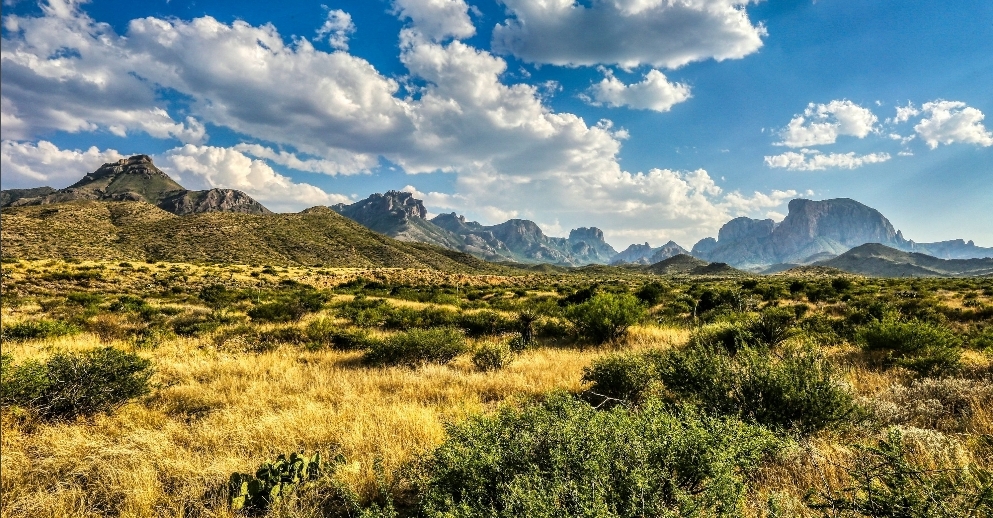
The Supreme Court on Nov. 9 cleared the way for border barrier and road construction in the Big Bend Sector of Texas, pausing a lower-court order that had blocked the work, in an unsigned decision. The Big Bend border wall plan includes a 17-mile vehicle barrier inside Big Bend National Park.
Justice Ketanji Brown Jackson said she would deny the government’s request, and she wrote no dissent. The decision turns a national park’s environmental protections into a question the court treated as already settled by Congress.
What the Supreme Court Decided
The case is Mullin v. Friends of the Ruidosa Church, No. 26A560. On Oct. 2, U.S. District Judge Kathleen Cardone in the Western District of Texas blocked the government’s waivers of environmental laws for the project. The Supreme Court paused that order until it acts on a petition for full review.
The court said the law at issue allows only constitutional claims, and that the challengers’ claim was really statutory. “There is no such thing as a ‘constitutional’ major-questions claim,” the court wrote. It also said lost money can count as irreparable harm when it cannot be recovered, and cited a Customs and Border Protection declaration that the government was incurring nearly half a million dollars in costs a day.
The Government’s Case for the Barrier
Solicitor General D. John Sauer’s application said Border Patrol apprehended more than 89,000 people trying to enter in the area between fiscal years 2021 and 2025. It described about 340 miles of planned barrier and road construction and said a gap in border defenses of more than 300 miles would draw cartels. It said the park barrier should have little to no effect on public access.
The Challengers’ Case Against It
The Center for Biological Diversity, which represented the challengers, said in a statement that the waived laws include the Endangered Species Act, the Wild and Scenic Rivers Act and the National Park Service Organic Act. The group says the region accounted for 1.3% of 2025 border apprehensions and the park for 0.045%. “This horrific decision clears the way for contractors to bulldoze pristine desert,” said Laiken Jordahl, the center’s national public lands advocate.
The two sides are using numbers that measure different things. The government’s 89,000 covers five years and a wide area. The center’s 0.045% covers the park alone. The 89,000 figure works out to about 17,800 a year, a calculation from the five-year total, and neither filing says how many of those crossings happened inside the park. The pause lasts until the court decides whether to take up the government’s petition. If the court denies review, the lower-court order takes effect again.