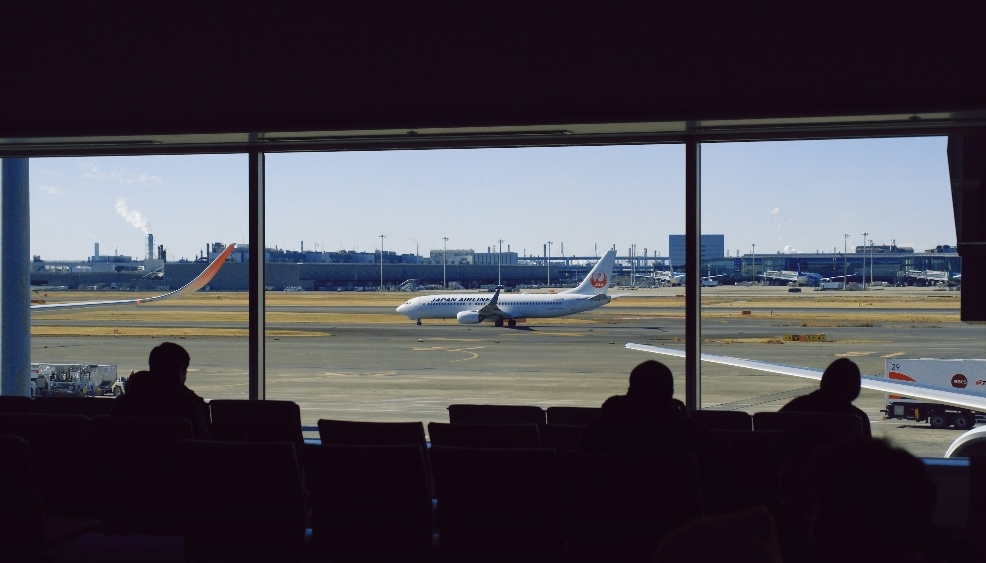
The nationwide FAA ground stop on Nov. 13 began when its network was flooded with about 1,000 connection attempts every 4 to 5 seconds, and investigators are looking at a new router contractor L3Harris was installing in El Dorado, Arkansas, the FAA said.
The country’s air traffic system went down on a Friday afternoon because of maintenance on a single site’s equipment. The FAA’s own explanation shows how little separation the old network had between one site and all the others.
What Caused the FAA Ground Stop
The FAA issued the ground stop at about 3:30 p.m. Eastern, and traffic resumed at 8:15 p.m., according to the agency. That is four hours and 45 minutes of a grounded national system.
The agency said its legacy equipment became unstable when excessive data hit its FTI telecommunications network. Its initial investigation points to two possible sources, a radar site in Amarillo, Texas, and a radio communications site in El Dorado, where L3Harris, the FAA’s network contractor, was installing a new router. L3Harris blocked both sites and the network stabilized.
Instability began at 17 of the FAA’s 22 Air Route Traffic Control Centers, the facilities that handle high-altitude traffic, and spread to several approach control facilities. About 3,500 aircraft were in the air at the time, and all landed safely. “The ground stop was issued out of an abundance of caution,” the FAA said. It said it has no indication of a cyberattack.
How Many Flights the Ground Stop Canceled
Airlines canceled about 12,462 flights, including 9,082 by major airlines, the FAA said, adding that not every cancellation came directly from the ground stop. About 1,000 attempts every 4 to 5 seconds works out to 200 to 250 a second, and 17 of 22 centers is 77% of the country’s en route control, calculations from the FAA’s figures.
That is the original angle on the outage. The FAA disabled the broadcasting function on the routers involved and on about 60 similar routers, and it said it will reevaluate when it schedules router maintenance, because this work happened midday instead of overnight. The fix is a policy on timing. The weakness was a network where one site’s traffic could reach almost every center in the country.
What Sean Duffy Said about the Router
Transportation Secretary Sean P. Duffy pointed at the equipment. “We think it was the installation or the router that was the bad actor,” he said in Sunday show interviews, the Transportation Department said on Nov. 15. “We have the router. It’s at the L3Harris lab in Florida with FAA staff.”
He also said, “But I have no money for a new network.” The department described the $12.5 billion Congress provided for air traffic control as “a down payment” and cited a 2024 Government Accountability Office report that found 51 of the FAA’s 138 systems unsustainable. That is 37%, a calculation from the report’s figures.
The fair point for the administration is that the FAA says the new systems it is installing did not cause the outage, and the Transportation Department says 70% of the FAA’s copper telecommunications lines have been replaced with fiber since July 2025. L3Harris has not commented publicly on the investigation. Duffy said the modernization work will be deployed by the end of 2028. The FAA’s investigation into the El Dorado and Amarillo sites is continuing.