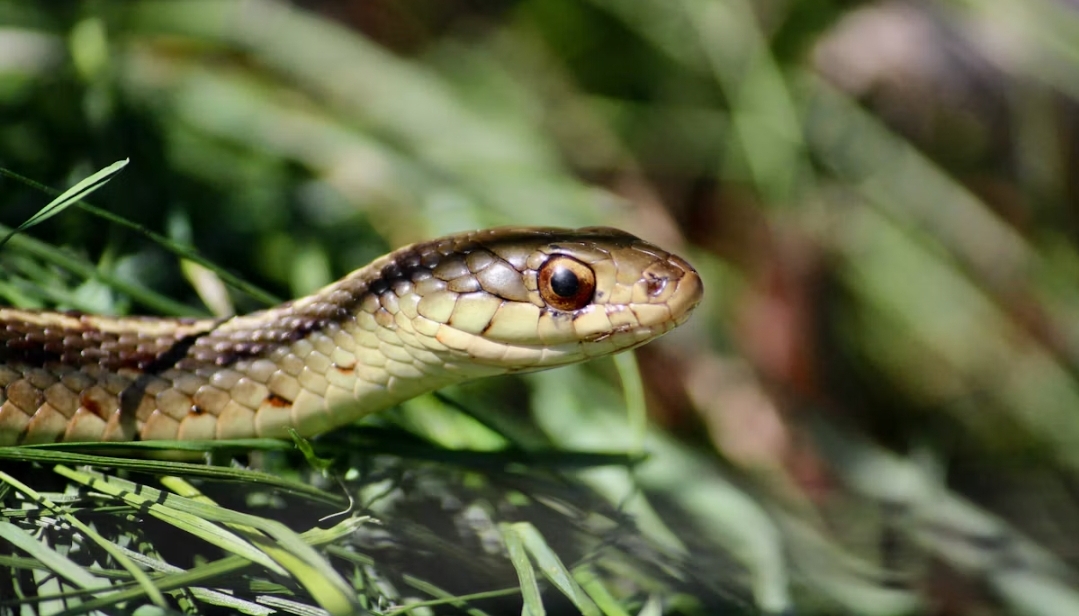
Sixty-two young San Francisco garter snakes raised at the San Francisco Zoo were released this fall at protected sites in San Mateo County, California, the first release of its kind for one of the country’s original endangered species, the zoo announced.
The snake has been on the federal endangered list since the list began in 1967, and only a couple thousand remain. A first successful head-start release, with a larger group already waiting, is the kind of conservation win that rarely makes national news.
How the Garter Snake Release Worked
In 2025, U.S. Geological Survey biologists collected pregnant females from a healthy population on a preserve run by the Midpeninsula Regional Open Space District. The mothers gave birth at the zoo and went back to the wild. The zoo raised the young through their most vulnerable months.
Every young snake was genetically tested before release. About one-third went back to the area their mothers came from. About two-thirds went to populations that need more snakes and more genetic variety. The release sites are kept secret to protect the snakes from poachers, traffic and disease. “This is an extraordinary accomplishment for everyone who has worked for generations to protect this remarkable species,” said Karine Tokatlian, a Midpen biologist.
Why the San Francisco Garter Snake is Endangered
The snake, with red, black and turquoise stripes, lives only in San Mateo County and a small part of Santa Cruz County. It faces drought, disease, low genetic diversity, invasive species, cars and poachers who prize it for its color. It also depends on the California red-legged frog, a threatened species, for food.
The bar for recovery is specific. The species can come off the list once there are at least 10 self-sustaining breeding populations of at least 200 snakes each. A calculation from those figures: that is at least 2,000 snakes in breeding populations alone, roughly the size of the entire wild population today. “This effort illustrates what can be achieved when partners prioritize rigorous scientific research, genetic testing,” said Justin Sloan, acting deputy field supervisor for the U.S. Fish and Wildlife Service’s Sacramento office.
What Comes Next for the Snakes
More than 130 more babies were born at the zoo in 2026 and will be released in 2027, more than double this year’s group. Biologists will track how this year’s snakes survive their first winters. “Releasing these snakes is a significant moment, but it is one step of many in a much larger recovery effort,” said Rachel Townsend, a National Park Service wildlife biologist.
The partnership includes the zoo, Midpen, USGS, the National Park Service, the U.S. Fish and Wildlife Service, the California Department of Fish and Wildlife, the Golden Gate National Parks Conservancy and San Francisco Recreation and Parks. The 2026-born group goes into the wild in 2027.