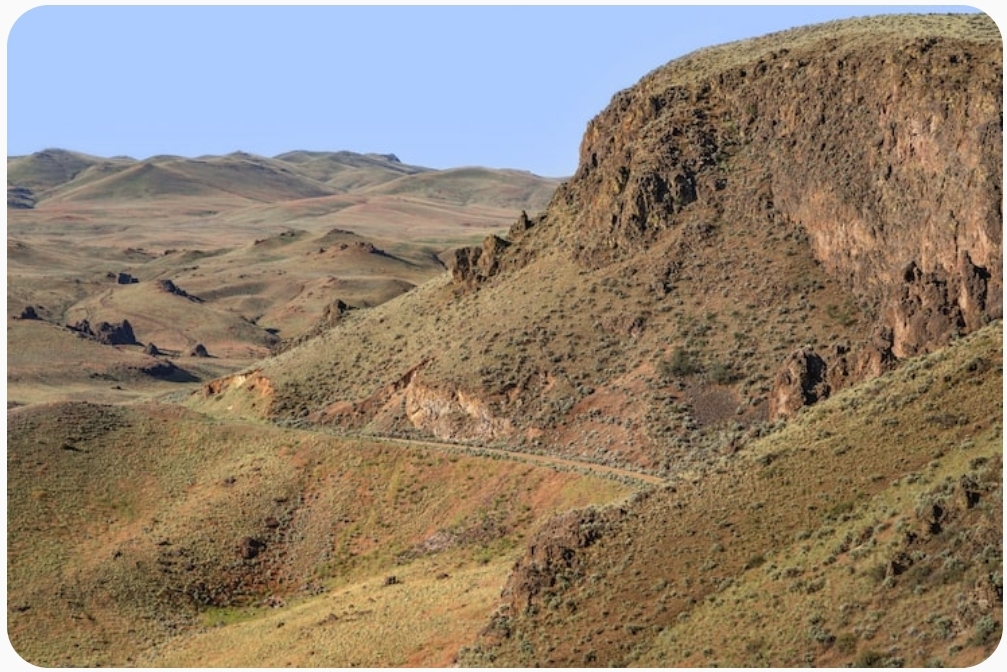
The Trump administration asked the Supreme Court on Oct. 21 to lift a federal judge’s order halting about 340 miles of border wall and road construction in the Big Bend region of Texas. The government says the hold costs more than $460,000 a day, according to its application.
The government says its contractors are idle at $460,000 a day, which is $168 million over a year, a calculation from its figure. A statute sends the case to the Supreme Court without a stop at the Fifth Circuit, so the justices are the first appeals court to see it.
What the Three Waivers Cover
The case is Mullin v. Friends of the Ruidosa Church, No. 26A560, on the Court’s docket. It started in the Western District of Texas, where U.S. District Judge Kathleen Cardone granted a preliminary injunction in a ruling that halts work until the government complies with environmental and other laws.
Homeland Security issued three waivers of those laws for the area, the application says. The first, dated Feb. 17 and amended July 2, covers about 164 miles of barrier. The second, dated May 15 and amended June 9, covers roads and about 17 miles of vehicle barrier in Big Bend National Park. The third, dated July 27, covers about 160 miles in the Big Bend and Del Rio sectors. The three add up to about 341 miles, a calculation that matches the government’s figure of about 340.
Why Cardone Found the Waivers Likely Unlawful
The plaintiffs are the Friends of the Ruidosa Church, an environmental group and a landowner, represented by Eric Glitzenstein of the Center for Biological Diversity. Cardone found they were likely to succeed on their claim under the major questions doctrine, which requires Congress to authorize decisions of vast economic or political significance in clear terms.
The government argues that the 1996 immigration law lets the secretary “waive all legal requirements” needed to build barriers quickly, and that a claim an official exceeded statutory authority is not a constitutional claim that courts may hear. Homeland Security Secretary Markwayne Mullin found the Big Bend Sector to be “an area of high illegal entry.”
The Apprehension Numbers on Each Side
The government cites more than 89,000 apprehensions by Border Patrol between ports of entry in the Big Bend Sector from fiscal 2021 through 2025. That is about 17,800 a year, a calculation from the five-year total. The district court found apprehensions and drug seizures there comparatively lower than in other sectors, the application says, and said the government would “only suffer a temporary delay” while the courts assess the merits. The statute at issue allows review of waivers only through a petition for certiorari to the Supreme Court. That is why the government went to the Court directly rather than to the Fifth Circuit.
What Happens Next
Justice Samuel Alito set the plaintiffs’ response for 4 p.m. Eastern on Oct. 29.