Celebrity style is rarely just about clothes. A dramatic fashion shift can signal a new album, a career reinvention, a break from an old image or simply a star becoming more comfortable with who they are. Some transformations are subtle, while others completely change how the public sees a celebrity.
From Miley Cyrus leaving her Disney image behind to Zendaya turning red carpets into fashion events, these celebrity style transformations show how the right wardrobe evolution can become part of a star’s entire identity.
Miley Cyrus
Miley Cyrus has reinvented herself so many times that fashion has become almost inseparable from her career. During her “Hannah Montana” years, Cyrus was closely associated with colorful teen-pop styling, sparkly stagewear and the polished image expected of a Disney Channel star.
That changed dramatically as she moved into adulthood. Her 2013 “Bangerz” era became one of the most talked-about celebrity transformations of the decade, with cropped hair, bodysuits, barely-there stage costumes and deliberately provocative looks helping Cyrus separate herself from Hannah Montana.
But even that was not the final version of Miley as she later embraced country-western influences during “Younger Now,” leaned heavily into leather, vintage pieces and rock-star glamour during her “Plastic Hearts” period. Eventually, she moved toward sleeker, more sophisticated fashion.
Vogue noted that by 2025 Cyrus had entered one of the most polished fashion periods of her career, favoring sculptural silhouettes, sharp tailoring and dramatic all-black looks. The evolution did more than change her wardrobe. It helped Cyrus move from a former child star trying to escape an old identity into a performer whose constant reinvention became part of her image.
Zendaya
Zendaya’s fashion evolution may be one of Hollywood’s most calculated success stories. When she first became famous through Disney Channel’s “Shake It Up,” her red-carpet wardrobe was youthful and relatively conventional.
Then she began working with stylist Law Roach. The pair met when Zendaya was around 14, and Roach later explained that designers initially were not eager to dress a young Disney star.
Instead of waiting for the fashion industry to embrace her, they deliberately built an image. Roach told British Vogue that he sometimes dressed Zendaya in outfits previously worn by other celebrities so she would appear in “Who Wore It Best?” features and attract attention. It worked!
Zendaya gradually became known for archival couture, dramatic tailoring and red-carpet looks built around the projects she was promoting. From her Joan of Arc-inspired Versace armor at the Met Gala to the vintage Mugler robot suit she wore while promoting “Dune: Part Two,” her clothes became events of their own.
By 2026, Vogue described her collaboration with Roach as one that had changed the modern celebrity red-carpet game. Fashion helped Zendaya shed the limitations of the “Disney star” label before some audiences had even caught up with how dramatically her acting career was changing.
Lady Gaga
Lady Gaga arrived in pop culture looking as though conventional celebrity fashion rules did not apply to her. Early in her career, the singer became famous for theatrical clothes almost as quickly as she became known for her music.
There were geometric dresses, extreme platform shoes, elaborate headpieces and, of course, the infamous meat dress she wore to the 2010 MTV Video Music Awards. Gaga’s fashion was designed to provoke.
But as her career expanded into jazz, acting and major Hollywood films, her image changed with it. During the “Joanne” era, she adopted denim, cowboy hats and stripped-down Americana. Then, while promoting “A Star Is Born,” Gaga began appearing in elaborate couture gowns that recalled classic movie stars.
Vogue noted that her move into acting coincided with an increasingly Old Hollywood-inspired wardrobe, including the dramatic pink Valentino gown she wore at the Venice Film Festival. That elegance never completely erased the experimental Gaga.
She has continued returning to gothic, avant-garde and theatrical fashion when the moment demands it, but the evolution proved that the woman once defined by outrageous outfits could just as convincingly embody traditional movie-star glamour.
Rihanna
Rihanna’s transformation happened gradually, but the result changed her position in pop culture. When she first emerged in the mid-2000s, her fashion largely reflected the polished styling expected of a young pop singer.
As her music became more daring, so did her clothes. The shorter hairstyle and darker visual identity surrounding “Good Girl Gone Bad” helped signal one of her earliest major image shifts, while later eras saw her experiment with streetwear, couture, sheer dresses, oversized silhouettes and unexpected combinations few stars could make look effortless.
Eventually, Rihanna stopped simply following fashion conversations and began driving them. Her 2014 CFDA Fashion Awards appearance in a sheer, crystal-covered Adam Selman dress became one of the defining red-carpet looks of her career.
She later launched Fenty fashion and beauty businesses, collaborated with major luxury houses and became the first Black woman to head an LVMH maison when Fenty launched in 2019. By then, Rihanna’s image had expanded far beyond pop star.
Whether wearing an enormous yellow Guo Pei cape to the Met Gala or turning maternity dressing into a series of stomach-baring fashion moments, she developed a reputation for making conventional styling rules feel optional. Her evolution was not about becoming more polished. It was about becoming more unmistakably Rihanna.
Harry Styles
Harry Styles spent the beginning of his career dressing like a member of a boy band because that was exactly what he was. During One Direction’s early years, Styles and his bandmates frequently appeared in coordinated suits, skinny jeans and relatively safe red-carpet looks designed to make the group feel visually cohesive.
However, his solo career changed that. Styles began leaning into flared trousers, floral prints, pearl necklaces, sheer fabrics, painted nails and pieces traditionally associated with womenswear.
His relationship with Gucci, particularly during Alessandro Michele’s tenure, helped accelerate the shift. Vogue traced his evolution from conventional One Direction tailoring to the flamboyant Gucci suits and gender-fluid styling that became central to his solo image.
In 2020, Styles became the first man to appear solo on the cover of American Vogue, wearing a Gucci dress in one of the accompanying images. The moment generated plenty of debate, but it also cemented how far his public image had moved from the carefully coordinated boy-band years. Styles’ evolution helped make fashion experimentation part of his identity rather than an occasional red-carpet surprise.
Kim Kardashian
Few celebrity wardrobes have changed as dramatically or as publicly as Kim Kardashian’s. During the early years of “Keeping Up With the Kardashians,” Kardashian became associated with quintessential 2000s celebrity fashion: body-con dresses, oversized sunglasses, statement belts, platform heels and colorful clubwear.
Then her relationship with Kanye West altered the trajectory of her style. West famously helped clean out Kardashian’s closet during an episode of the family’s reality show, and her wardrobe increasingly shifted toward neutral palettes, minimalist silhouettes and high-fashion labels.
Vogue has chronicled the different fashion phases that followed, including her move from bandage dresses and Juicy Couture into increasingly experimental designer looks. Kardashian developed close relationships with designers and became particularly associated with Balenciaga, including the head-to-toe black look that completely covered her face at the 2021 Met Gala.
Her style has continued changing since her divorce from West, with Kardashian experimenting more independently with archival fashion, dramatic silhouettes and vintage designer pieces. The evolution helped move her image from reality-TV personality to someone whose wardrobe regularly becomes fashion news.
Taylor Swift
Taylor Swift has turned style evolution into part of the storytelling around her music. When she entered country music as a teenager, Swift was recognizable for curly hair, cowboy boots, sundresses and sparkling gowns.
As her music moved toward pop, her wardrobe changed alongside it. The “Red” era introduced retro-inspired shorts, high-waisted silhouettes and her increasingly signature red lipstick. By “1989,” Swift had fully adopted polished pop-star fashion built around crop tops, matching sets and sleek styling.
Then came “Reputation.” After disappearing from public view following intense scrutiny, Swift returned with dark colors, snake imagery, thigh-high boots and a harder-edged aesthetic that deliberately contrasted with the bright image of her previous era.
Her later albums continued the pattern. “Lover” embraced pastels, while “Folklore” and “Evermore” brought cardigans, muted colors and cottage-inspired styling.
Harper’s Bazaar has noted how closely Swift’s fashion has tracked the changing aesthetics of her albums throughout her career. Few stars have made wardrobe shifts feel so deliberately connected to the next chapter of their public image.
Ariana Grande
For years, Ariana Grande’s image could practically be identified in silhouette. Her high ponytail, thigh-high boots, miniskirts and oversized sweatshirts became so closely associated with the singer that they functioned almost like a uniform. But Grande did not start there.
During her Nickelodeon years on “Victorious” and “Sam & Cat,” she was known for bright red hair and youthful television styling. As her music career took off, Grande developed the recognizable pop-star aesthetic that eventually became one of her strongest visual trademarks.
Stylist Law Roach told Vogue that Grande already had the ponytail-and-boots DNA when they began working together and that his job was to elevate rather than replace it. More recently, however, Grande’s style has changed significantly.
Her role as Glinda in “Wicked” brought blonde hair, pale pink gowns and a much softer visual identity, while her red-carpet wardrobe increasingly embraced couture and Old Hollywood references.
Vogue described Grande’s evolution as a journey from teen pop star to full-fledged movie star, noting her transition from ultra-short hemlines and towering boots toward more sophisticated glamour. The ponytail may remain iconic, but Grande no longer needs it to make her image instantly recognizable.
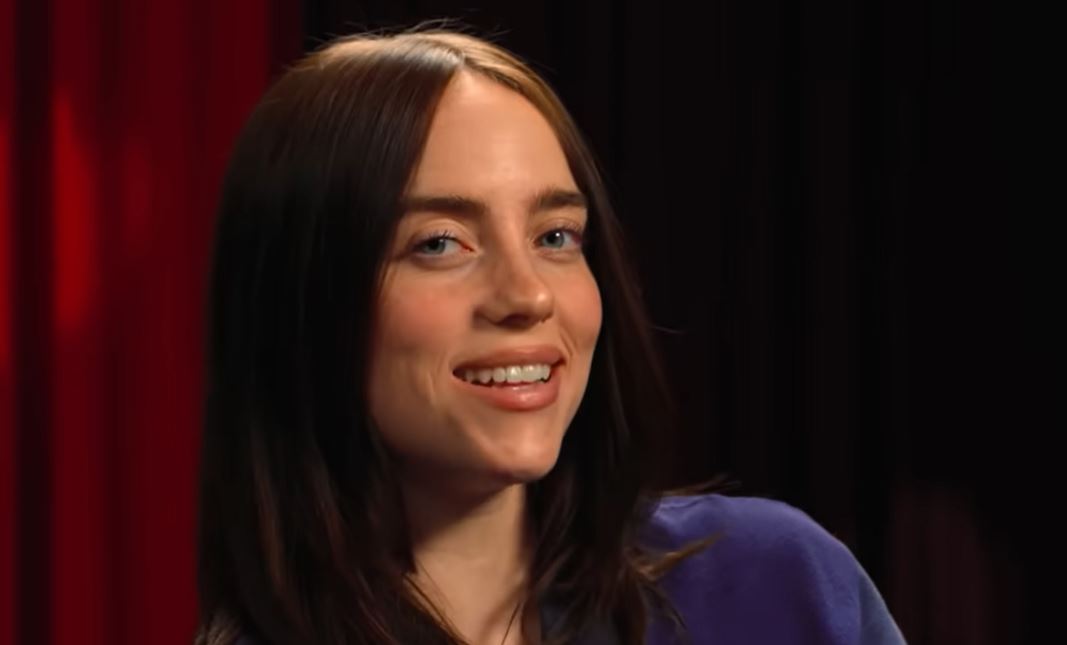
Billie Eilish
Billie Eilish’s style transformation became controversial precisely because her original look had been so distinctive. When she broke through as a teenager, Eilish favored oversized T-shirts, baggy shorts, sportswear, neon colors and designer logos.
The silhouettes hid much of her body, something Eilish later explained was connected to her complicated relationship with body image. “I only started wearing baggy clothes because of my body,” she told Vanity Fair, according to Vogue.
Then came a startling visual shift ahead of her 2021 album “Happier Than Ever.” Eilish traded her neon-rooted hair for platinum blonde and appeared on British Vogue wearing corsetry and lingerie-inspired looks. The change immediately altered the conversation around her image.
Eilish later experimented with Marilyn Monroe-inspired glamour at the Met Gala, dresses, tailored pieces and more feminine styling while continuing to return to oversized streetwear whenever she wanted. That flexibility may be the real transformation.
Instead of abandoning one image for another, Eilish has increasingly resisted the idea that audiences should expect her to dress only one way. Her wardrobe now moves between masculine, feminine, glamorous and deliberately casual without treating any of those identities as permanent.
Timothée Chalamet
Timothée Chalamet did not begin his career as an obvious fashion risk-taker. His earliest red carpets featured the kind of conventional dark suits expected from an emerging young actor.
As his profile grew, however, Chalamet began treating menswear very differently. He embraced colorful tailoring, unusual fabrics, unexpected accessories and designer pieces that blurred the line between traditional formalwear and something much more experimental.
An embellished Louis Vuitton bib at the 2019 Golden Globes became an early sign that Chalamet was willing to make choices most male actors avoided. His relationship with designer Haider Ackermann pushed that reputation further.
Perhaps his biggest moment came at the 2022 Venice Film Festival, when he wore a red backless Ackermann look to the premiere of “Bones and All.” British Vogue has charted how his increasingly adventurous wardrobe turned him into one of Hollywood’s most closely watched male dressers.
Chalamet has also embraced theme dressing during promotional tours, using fashion to echo characters and films including “Wonka” and “A Complete Unknown.” The shift has been significant enough that seeing him in a simple black tuxedo now feels more surprising than seeing him in something unconventional.
That may be the clearest sign that his style transformation worked. For these stars, fashion did more than document a changing career. It helped create the next version of their celebrity identity.
The most memorable celebrity style transformations work because they tell audiences something before the star even speaks: the old era is over, and somebody new has arrived.