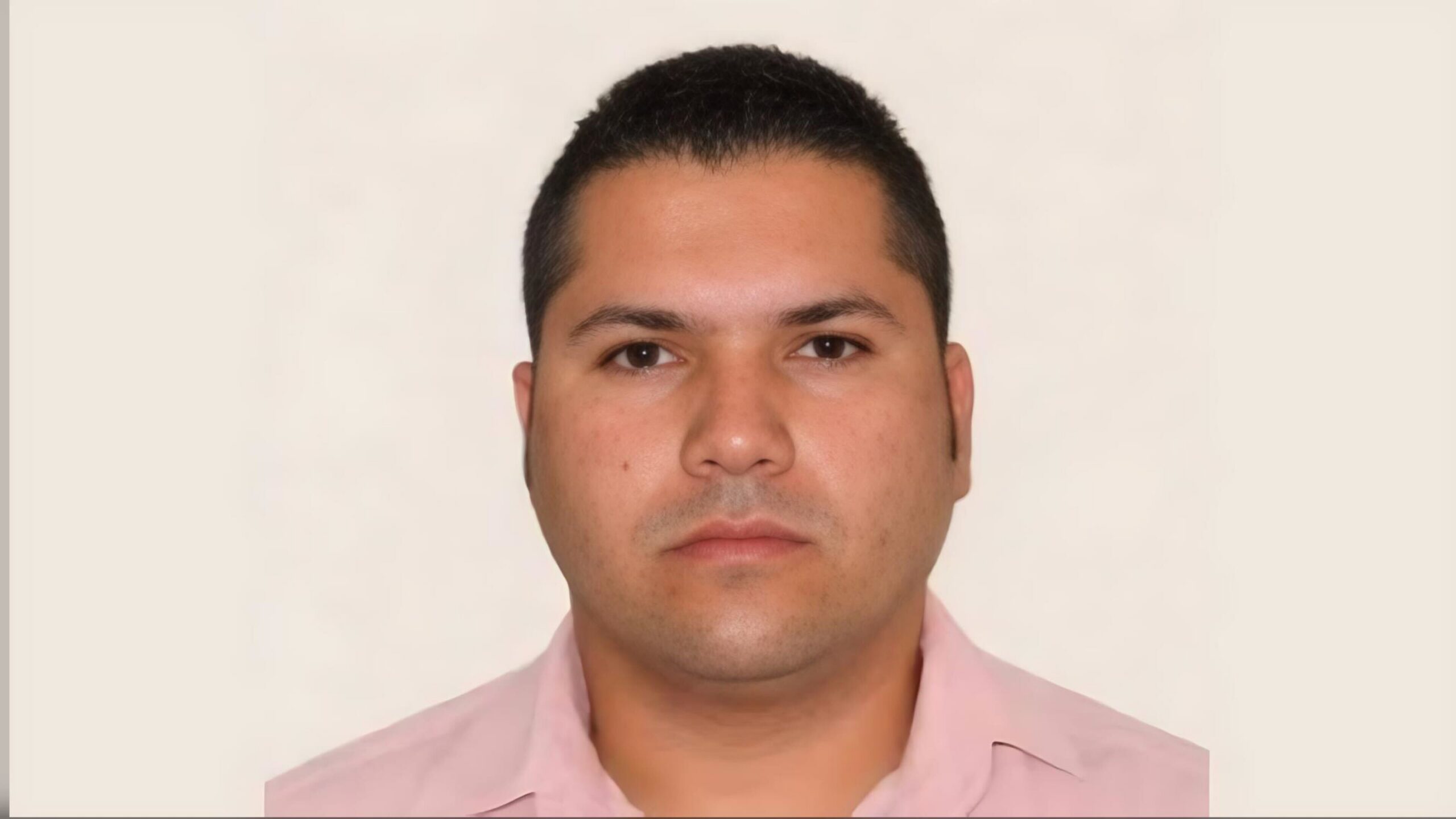
Mexican military forces captured Fausto Isidro Meza Flores, the Sinaloa cartel leader known as “Chapo Isidro,” on Nov. 20 in Guasave, Sinaloa, the Justice Department said. Meza Flores, 44, was on the FBI’s Ten Most Wanted list and faces U.S. narcoterrorism charges.
Washington called the capture a “bilateral” win. The real test comes next: a federal indictment does nothing until the defendant is in an American courtroom, and the Justice Department has not said when, or whether, Mexico will send him.
The Charges Against Chapo Isidro
A six-count superseding indictment in federal court in Washington, D.C., charges Meza Flores with leading a continuing criminal enterprise and conspiring to manufacture and distribute cocaine, methamphetamine, heroin, marijuana and fentanyl for import into the United States. It also charges international money laundering conspiracy, conspiracy to provide material support to a terrorist organization, narcoterrorism and use of firearms, including a machine gun and a destructive device.
The maximum penalty is death or mandatory life in prison, the department said. The charges are allegations. Court documents allege his armed groups controlled territory around Guasave, Los Mochis and the Sinaloa mountains and carried out murders, kidnappings and torture of rivals and Mexican police. Mexican forces also arrested German Rolando Galvez Meza, known as “El Serafin,” whom the department described as an alleged cartel leader. The State Department had offered a reward of up to $5 million for Meza Flores.
How Terrorism Law Changed the Case
Two of the six counts, material support and narcoterrorism, exist because of a designation. The United States labeled the Sinaloa cartel a foreign terrorist organization on Feb. 20, 2025. A calculation from the dates: the capture came 21 months later.
That designation turns a drug case into a terrorism case, with tougher charges and more tools for investigators. “This alleged cartel leader is accused of flooding American communities with deadly drugs, including fentanyl,” said FBI Director Kash Patel. “This is the 11th Ten Most Wanted fugitive captured under the Trump Administration.”
Officials on the Operation
Attorney General Todd Blanche credited Mexico. “This successful operation is the result of a bilateral effort to eliminate terrorists in Mexico,” he said. He also extended “condolences to the families of the elite soldiers who were killed.” The department did not say how many Mexican soldiers died. Adam Gordon, the U.S. attorney for the Southern District of California, put it more bluntly. “Chapo Isidro built an empire in the shadows. Today’s sunrise was his sunset,” he said.
What Happens Next
The department’s announcement does not address extradition, and no U.S. court date has been set. No defense attorney for Meza Flores has been publicly identified. Until he lands in Washington, the case is an indictment and a press release. The next development to watch is whether Mexico extradites him or prosecutes him at home.