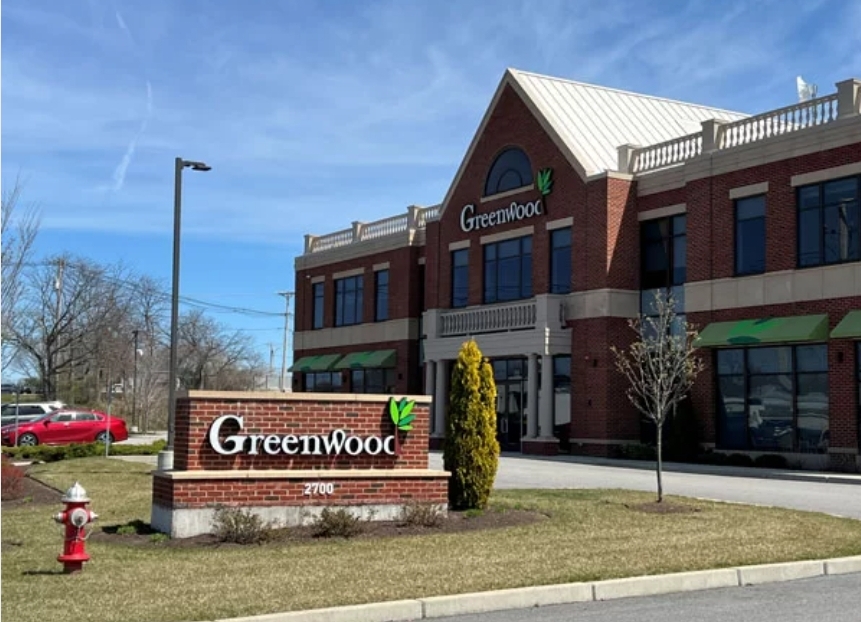
Greenwood, the digital bank built for Black and Latino customers and co-founded by Michael “Killer Mike” Render, closed every member account at the end of the day on Nov. 19, the company’s notice says. Cards, deposits and transfers stopped with it, and members now get any leftover balance in the mail.
The closing ends Greenwood’s banking program with Coastal Community Bank, the FDICinsured bank that held members’ money. Greenwood has not said publicly why the program ended. For a company that raised $85 million in two documented rounds on the promise of keeping Black dollars in Black hands, the exit came down to a mailing address and a paper check.
What Greenwood Members Need to Know
Deposits sent to a Greenwood account after Nov. 19 go back to the sender, according to the notice. Coastal Community Bank will mail checks for any remaining balance by Dec. 2. Members who missed the in-app deadline to update their address can still do it through Greenwood support until Nov. 24.
Greenwood will not move anyone’s money for them. Members had to transfer their own funds before the closing. Statements and disputes run through Greenwood until Dec. 22, and after that, members deal with Coastal Community Bank directly. The company said closing an account costs nothing and does not affect credit scores.
The DreamFi Handoff
Greenwood announced a partnership on Oct. 13 with DreamFi, a fintech co-founded by civil rights attorney Ben Crump, according to Greenwood. Accounts and data do not transfer on their own. Members who want to follow the recommendation open a new DreamFi account, which runs on FinWise Bank and costs $9.99 a month after a 30-day free trial.
The two companies pitched the move as a continuation of the same mission. “Economic empowerment has always been inseparable from civil rights,” said Ambassador Andrew Young, a Greenwood co-founder. Crump said, “From day one, Greenwood has been about more than banking.”
Greenwood’s Funding History
Greenwood’s rise was fast. In March 2021, it raised a $40 million round led by Truist Ventures and said it had signed up more than 500,000 members, the company announced. Chairman Ryan Glover framed the business as a fix for something bigger than checking accounts. “This wealth gap is a curable injustice that requires collaboration,” he said at the time.
In November 2022, a $45 million round led by Pendulum Holdings valued Greenwood at $325 million, according to the deal’s law firm. A calculation from the two rounds: $85 million in documented funding, and a valuation that worked out to about $650 for each of the 500,000 sign-ups Greenwood claimed in 2021.
Why the Partner Bank Decides
The mechanism matters for anyone using a celebrity or mission-driven banking app. Greenwood was not a bank. Like most consumer fintechs, it put its brand and app on top of a chartered bank that held the deposits. When that arrangement ends, the product ends, no matter how loyal the customers are. DreamFi works the same way, with FinWise Bank holding the money.
The fair case for Greenwood is that it pointed members to another Black-led company instead of leaving them with nothing, and that closing an account costs members nothing. The lesson for members is that a mission sits on top of a contract, and the contract belongs to the bank. Coastal Community Bank’s checks go out by Dec. 2, and Greenwood support closes Dec. 22.