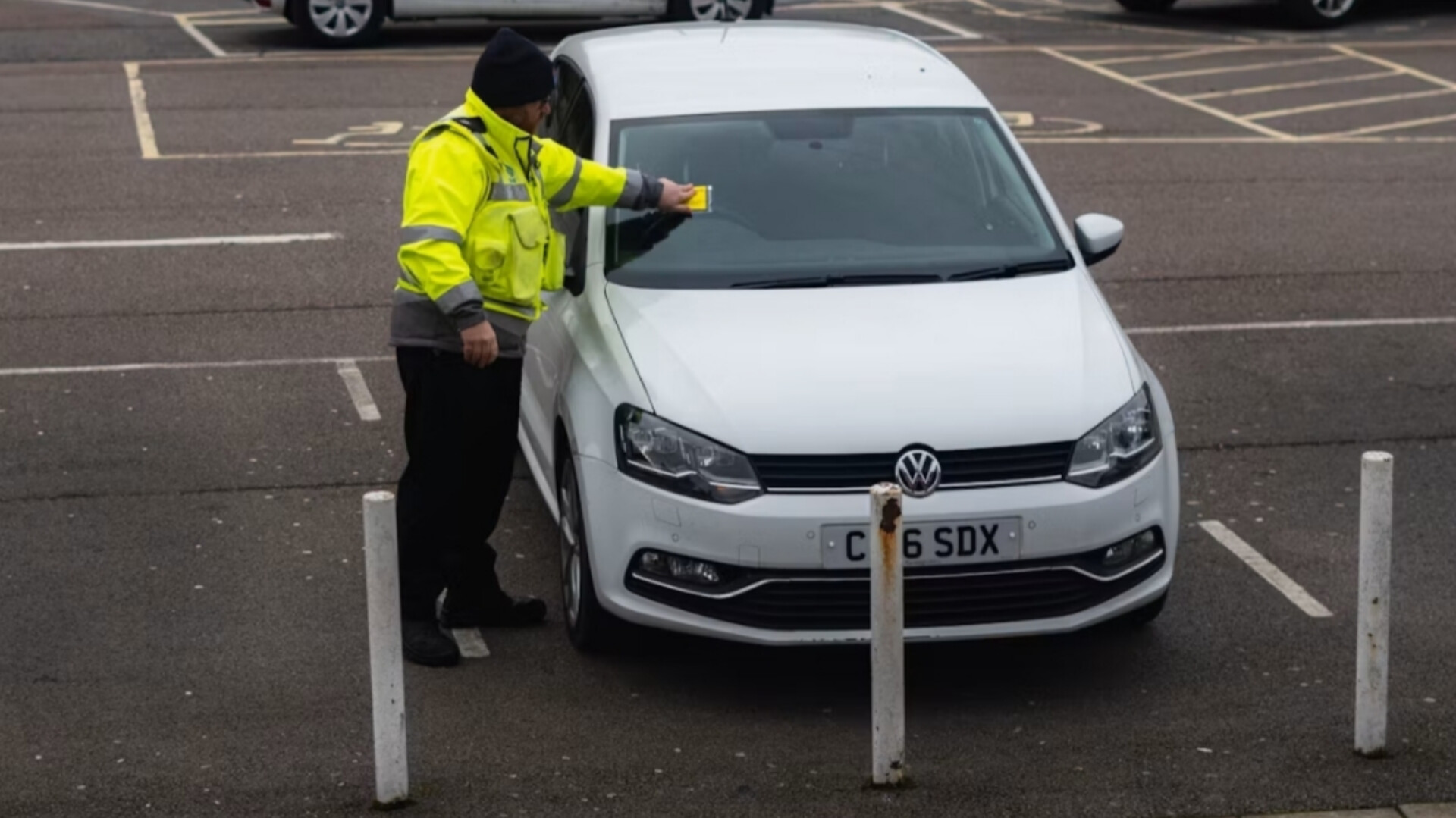
The Supreme Court declined on Oct. 19 to hear a challenge to Chicago’s system of impounding and selling cars over unpaid parking tickets. Justice Sonia Sotomayor, joined by Justice Neil Gorsuch, wrote that the Seventh Circuit’s reasoning raised serious concerns under the Takings Clause.
What the Supreme Court Did in O’Donnell v. City of Chicago
The Court denied certiorari in No. 25-1098, O’Donnell v. City of Chicago. The petition was filed March 16, and the denial came 217 days later, a count from the docket dates. The city waived its right to respond on March 31, and the towing contractor, URT United Road Towing, did the same on April 16. On April 30 the Court requested a response, which the city and URT filed July
A denial of certiorari does not decide the merits. It leaves the Seventh Circuit’s Dec. 22, 2025 ruling in place. Sotomayor wrote a statement respecting the denial to explain her view without dissenting. She said she agreed not to take the case now for two reasons: the lower courts’ disagreement could use more development, and this case is a poor vehicle for resolving it.
How Chicago’s Ticket Debt Rules Work
Under Chicago Municipal Code section 9-100-120, a driver who owes as few as two parking tickets can lose a car, according to Sotomayor’s statement. The Seventh Circuit’s opinion gives the mechanics. An owner who has three or more final determinations of liability, or two that are more than a year old, becomes eligible for immobilization of every vehicle registered to him.
The owner gets 21 days after notice to pay or request a hearing. After a vehicle is booted, the owner has 24 hours to pay, enter an installment plan or ask for more time. The city may then tow and impound it, and an owner gets 21 days after a certified-mail notice to claim the car or seek an extension. Unclaimed vehicles can be sold or disposed of. The ordinance sets a $100 immobilization fee for most vehicles, according to the appendix to the petition. It sets towing fees by reference to a separate section.
The Two Drivers Who Sued
Ryan O’Donnell received two tickets for an expired meter and one for time-restricted parking, totaling about $524, Sotomayor wrote. The city sold his car to URT for its scrap value of $273. The Seventh Circuit said the city did not apply the proceeds to his ticket debt. His car was disposed of in 2021, according to that court. Michael Goree had no tickets of his own.
A co-signer on his car owed about $560 in tickets on a different vehicle. The city towed and impounded his car and gave it to the lienholder in 2018, according to the Seventh Circuit. Neither man received compensation. O’Donnell’s $273 sale price was 52% of his $524 in tickets, a calculation from the two figures. The sale still did not clear the debt, and the statement says the city also added boot, tow and storage fees. The statement does not give the amount of those fees.
Why Sotomayor Questions the Seventh Circuit
The Seventh Circuit, in an opinion by Judge Kirsch with Judges Scudder and Pryor on the panel, held the scheme was an exercise of police power and therefore not a taking. It relied on Bennis v. Michigan, a 1996 decision allowing a state to take a car used in a crime without paying the owner. U.S. District Judge Andrea Wood had dismissed the suit on Sept. 28, 2024.
Sotomayor wrote that Bennis fits poorly. Chicago can impound any vehicle of a delinquent resident, whether or not the car was involved in a violation, and forfeiture follows nonpayment and not the original infraction. She said that the plaintiffs’ view is that impoundment exists “to collect a debt, not enforce public safety laws.” If that is right, she wrote, Tyler v. Hennepin County would likely control and the lack of compensation would probably violate the Takings Clause.
Tyler, decided in 2023, struck down a county’s practice of keeping all the proceeds when it sold property over unpaid taxes. Sotomayor also wrote that scrapping cars or handing them to lienholders, instead of selling them at a fairly run auction, makes the problem worse. She cited Pung v. Isabella County, a 2026 decision, on measuring compensation by a fair sale.
She added that Chicago’s ticket revenue has been large. She cited a ProPublica estimate of $264 million in traffic-ticket revenue in 2016, about 7% of the city’s operating budget. Dividing $264 million by 7% implies an operating budget of roughly $3.8 billion, a calculation from the two figures in her statement.
Where Lower Courts Disagree
Sotomayor described a split in how courts treat police-power actions. The Federal Circuit in AmeriSource and the 10th Circuit in Lech v. Jackson appear to apply a categorical rule that such actions are exempt. The Fifth Circuit in Baker v. McKinney and the Ninth Circuit in Pena v. Los Angeles adopted narrower public-safety or necessity exceptions. The Sixth Circuit in Slaybaugh v. Rutherford County and the Seventh Circuit in Hadley v. South Bend held that damage during a lawful search or arrest is not a taking. She wrote that few of these decisions explain where an exemption comes from, whether the common law or the Constitution. She also said she had urged more percolation in Baker v. City of McKinney in 2024.
What Chicago Told the Court
Chicago and URT argued in their brief in opposition that no split exists. The brief says “Petitioners concede there is no conflict in the circuits,” and it cites decisions from the D.C., Sixth, Ninth and Federal Circuits. It also argues in a footnote that the circuits remain in flux, which supports waiting.
The city called the case a poor vehicle because the plaintiffs brought only a facial challenge. That requires showing that the ordinance is invalid in every application. The brief says immobilization may never occur under the law’s mere enactment and that disposal depends on specific facts. It also argues that the ordinance punishes and that Tyler involved a tax sale in which the government disclaimed any punitive purpose.
On procedure, the brief says owners get notice at each stage and repeated chances to contest. Installment plans can start at $25 a month, a hardship plan is open to households at or below 300% of the federal poverty level, and vehicles on a compliant plan are not subject to immobilization or impoundment. Owners who believe a disposal was wrongful can file a monetary claim with the city clerk. The Seventh Circuit saw the purpose differently from the plaintiffs. It said the scheme “raises money and improves compliance with traffic laws,” quoting an earlier decision.
Why Sotomayor Sees a Poor Vehicle
Sotomayor agreed with part of the city’s point. She wrote that because the challenge is facial, a ruling could reach provisions unrelated to forfeiture, such as the immobilization rule in section 9-100-120(a). That reason, plus the need for more lower-court development, is why she did not vote to grant review.
She closed by urging courts to define narrowly when police-power actions escape the justcompensation requirement and to say where any exemption comes from. When an owner alleges a classic taking, meaning the government appropriates property for its own use or to satisfy a debt, she wrote, invoking law enforcement authority may not be enough to avoid paying.
What Happens Next
The Seventh Circuit’s decision stands, and Chicago’s ordinance remains in force. The city’s brief said a related Seventh Circuit ruling, Hadley v. South Bend, was pending on a petition for certiorari as No. 25-1158. Sotomayor’s statement, joined by Gorsuch, signals that two justices see the question as unsettled.