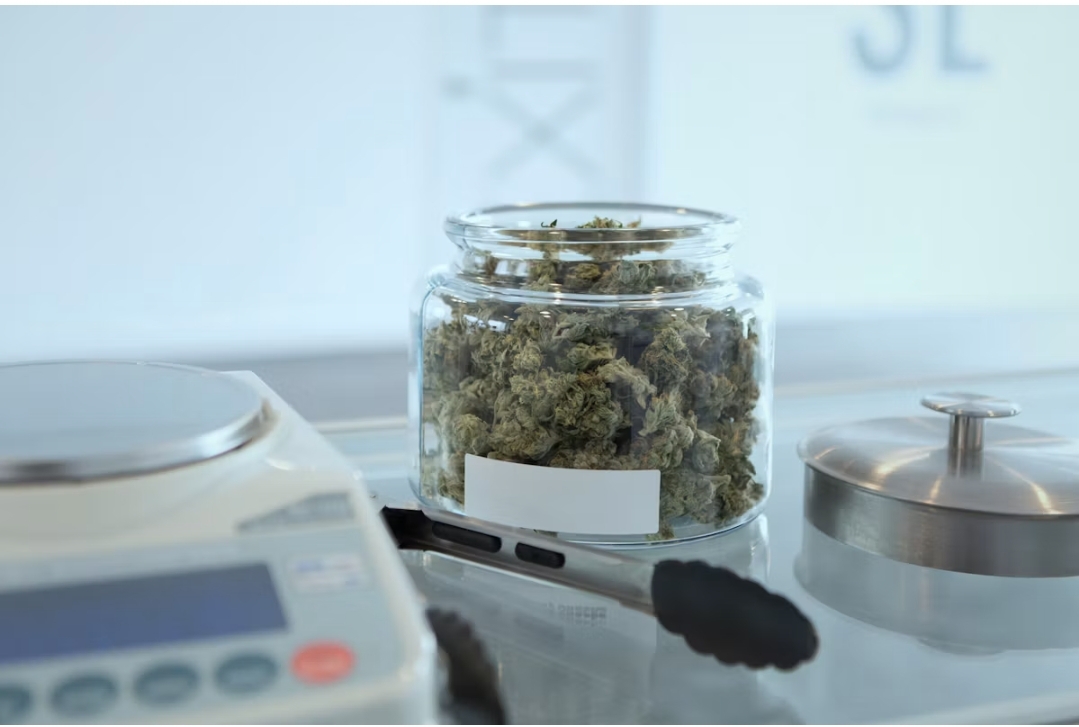
The Justice Department announced on Oct. 30 that the Drug Enforcement Administration has begun issuing federal registrations to more than 900 state-licensed medical marijuana dispensaries, the first DEA medical marijuana registrations under Attorney General Todd Blanche’s April 23 order, the department said.
The registrations reach the retail counter first. The DEA is still reviewing applications from manufacturers and distributors, which need facility inspections, production controls and quota decisions. A dispensary can now hold a federal registration while the companies that grow and ship its product wait on the same agency, and the first phase arrives more than six months after the order itself.
Which States Got the First Registrations
The initial registrations cover dispensaries in Alabama, Florida, Mississippi, South Dakota, Texas, Virginia and West Virginia. The DEA started with dispensaries that applied within the order’s initial 60-day period and met federal requirements. Each one also had to pass the agency’s pre-registration investigation.
A state license alone does not produce a federal registration. Applicants must operate under a state medical marijuana framework that is consistent with federal law and with U.S. treaty obligations. Registered dispensaries must then follow federal rules on security, recordkeeping, inventory controls and other safeguards.
What the April 23 Order Covers and Excludes
Blanche issued the order under 21 U.S.C. § 811(d). It sets Schedule III controls for certain medical marijuana activities and creates a federal framework for qualifying medical marijuana businesses, while Controlled Substances Act controls stay in place.
The order covers only the medical marijuana activities it defines. It does not authorize recreational marijuana or any other activity outside its scope, and marijuana that falls outside the order remains in Schedule I. A separate administrative proceeding is considering a broader proposal to reschedule marijuana.
How Pending Applicants Operate During the Review
Manufacturers, distributors and dispensaries that applied within the 60-day window can keep doing business with other qualified applicants and newly registered entities while their applications are pending, subject to the order’s conditions. That provision keeps the supply chain moving while registrations arrive in phases. The department linked applicant guidance on the DEA Diversion website.
Blanche framed the registrations as a matter of patient access. “The American people deserve access to the best medical treatments in the world,” he said in the department’s announcement. He added that the department will keep prosecuting illegal marijuana trafficking under federal law, so a registration covers licensed medical sales and leaves unlicensed sales within reach of prosecutors. The DEA said it will keep processing dispensary applications and issue further registrations in phases, with the manufacturer and distributor applications still under review.