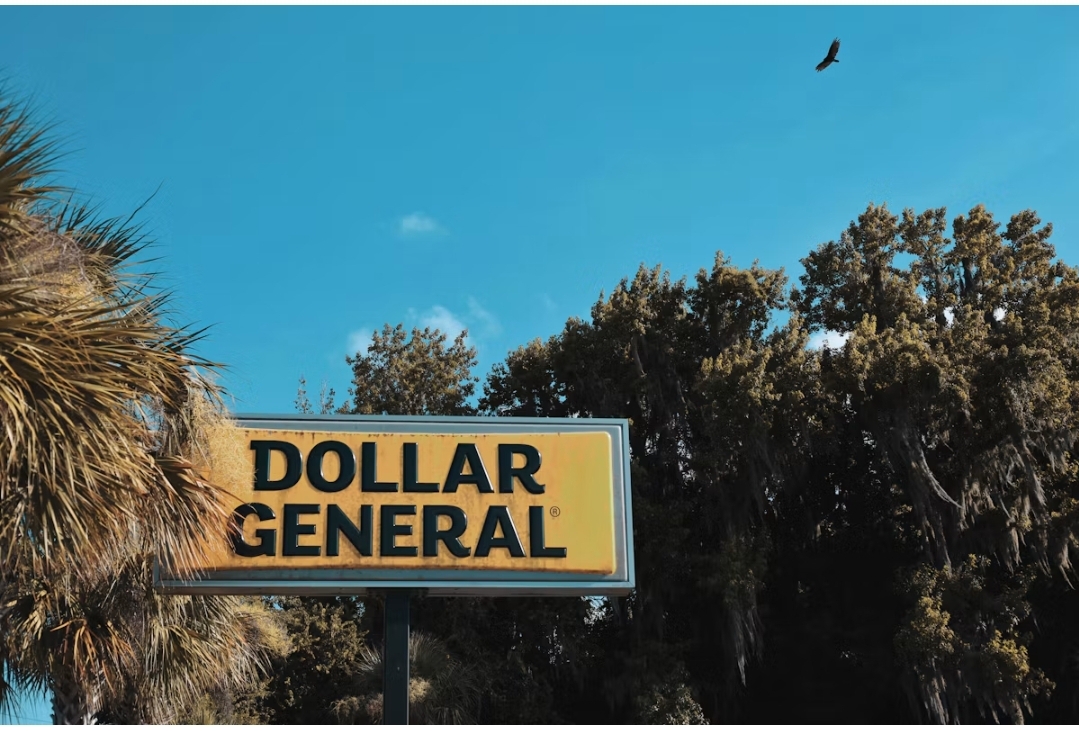
The Federal Trade Commission and 20 states sued Dollar General on Oct. 26, alleging the chain charged shoppers more at the register than the prices on its shelves, tags and ads. The Dollar General lawsuit was filed in federal court in Tennessee, the FTC said.
The case rests on volume. Seven state settlements since 2019 add up to $6.76 million, a figure equal to about 0.016% of the $42.7 billion Dollar General took in during 2025, a calculation from the figures in the complaint. A federal suit with 20 states attached tests whether a penalty of that size was ever going to change how the chain prices its shelves.
What the Dollar General Lawsuit Alleges
The FTC voted 2-0 to authorize the filing. The plaintiffs are the commission and 20 states and local entities, including Florida, Illinois, Ohio and Tennessee. The complaint says Dollar General runs more than 20,000 stores in 48 states and that households earning $35,000 or less supply 60% of its revenue.
It counts at least 29,265 “Did Not Honor Marked Price” complaints between Jan. 1, 2023, and March 31, 2026, from all 48 states. That works out to about 750 a month, a calculation from the complaint’s count and date range. “Dollar General has betrayed the trust of millions of American consumers,” said Christopher Mufarrige, director of the FTC’s Bureau of Consumer Protection, in the announcement. The complaint alleges violations of the FTC Act, the Gramm-Leach-Bliley Act and state consumer protection laws.
Undercover Purchases at Four Stores
The complaint describes four undercover purchases made between January and April. In Cleveland on Jan. 16, 13 of 58 items rang up at a different price than the shelf, and the net overcharge was $3.25. In Springfield, Missouri, on Feb. 27, 6 of 59 items did, for a net overcharge of $4.07. A Sharpsburg, Pennsylvania, purchase on March 11 had 6 of 60 mismatches and a $2.60 net overcharge, and a Baltimore purchase on April 1 had 5 of 59 and a $3.65 net overcharge.
Across the four trips, 30 of 236 items, or 12.7%, rang up wrong, a calculation from the complaint’s counts. Not every error cut against the shopper: nine of the 30 rang up below the shelf price. The net overcharge across all four baskets was $13.57. The complaint also recounts individual shoppers’ accounts. One Ohio shopper reported eggs at $5.10 on the shelf and $6.35 at the register. An Alabama shopper reported Twinkies at $2.50 on the shelf and $3.50 at the register.
State Inspection Failures and Earlier Settlements
State inspectors found similar gaps, according to the complaint. Kansas inspectors failed more than 39% of Dollar General inspections between 2023 and March 2, 2026. New Mexico failed 53% of 73 inspections from January through April. Wisconsin found 662 of 7,344 products, or 9%, overcharged in 2023, with an average overcharge of 17%.
The chain has paid to settle before. The complaint lists seven settlements with six attorneys general or agencies since 2019, including $1 million to Ohio in 2023 and $1.55 million to Pennsylvania in 2025. The Colorado and Pennsylvania agreements require signs in stores promising to honor the lowest price. The complaint also lists eight class actions on pricing accuracy since 2022.
What the Plaintiffs Want
The FTC seeks a permanent injunction and monetary relief. State laws add their own penalties: up to $10,000 per willful violation in Florida and up to $50,000 per violation in Illinois. Dollar General had not posted a response to the lawsuit on its corporate newsroom as of Oct. 27. Everything in the complaint is an allegation. A federal judge in the Middle District of Tennessee will decide the case, and Dollar General’s answer to the complaint is the next filing to watch.