Black cinema has produced some of the most unforgettable stories ever brought to the screen, blending powerful storytelling with lasting cultural influence. From groundbreaking dramas that confronted social injustice to crowd-pleasing hits that reshaped Hollywood’s landscape, these films have explored themes of love, identity, perseverance, family, and triumph.
This collection showcases 15 standout Black movies that have made a lasting impact through exceptional performances, visionary direction, and meaningful storytelling. Presented in no particular order, each film represents a significant contribution to cinema and remains essential viewing for audiences around the world.
Do The Right Thing: Spike Lee (1989) Black Movies Classic
Spike Lee’s Do the Right Thing remains one of the most influential films ever made. Set during a sweltering summer day in Brooklyn, the movie explores racial tensions, police brutality, and community relationships through a cast led by Lee, Samuel L. Jackson, Ossie Davis, and Danny Aiello.
Released at a time when conversations about race and policing were gaining renewed attention, the film challenged audiences to confront uncomfortable realities. More than three decades later, its themes remain relevant, proving why it continues to rank among the greatest Black movies ever created.
12 Years A Slave: Steve McQueen (2013)
Historical dramas often struggle to balance education and emotion, but Steve McQueen accomplished both with 12 Years a Slave. Based on Solomon Northup’s memoir, the film follows a free Black man kidnapped and sold into slavery.
Chiwetel Ejiofor delivers a remarkable performance, while Lupita Nyong’o’s Oscar-winning role brings devastating emotional weight to the story. The film’s unflinching depiction of slavery forced audiences to confront one of America’s darkest chapters and helped establish it as a modern masterpiece.
Boyz N The Hood: John Singleton (1991) Black Movies Landmark
John Singleton transformed Black filmmaking with Boyz n the Hood. Set in South Central Los Angeles, the coming-of-age drama follows Tre Styles, Ricky Baker, and Doughboy as they navigate violence, family pressures, and systemic challenges.
The movie’s social commentary remains among its strongest elements. One of its most memorable moments comes when Furious Styles, played by Laurence Fishburne, asks, “Why do you think there’s a liquor store on every corner? The same reason there’s a gun store on every corner. They want us to kill ourselves.”
Singleton’s achievement was historic. At just 23, he became the youngest person and first African American nominated for Best Director at the Academy Awards.
Set It Off: F. Gary Gray (1996)
Few films have captured Black female friendship and desperation as effectively as Set It Off. Starring Jada Pinkett Smith, Queen Latifah, Vivica A. Fox, and Kimberly Elise, the story follows four women driven to bank robbery after facing financial hardship and limited opportunities.
The film blends action, drama, and social commentary while showcasing powerful performances from its ensemble cast. Decades later, the characters remain cultural touchstones and continue to inspire discussions about survival, loyalty, and systemic inequality.
Moonlight: Barry Jenkins (2016)
Barry Jenkins redefined contemporary storytelling with Moonlight, starring Mahershala Ali, Naomie Harris, and Janelle Monáe. Told across three chapters of Chiron’s life, the film explores identity, masculinity, sexuality, and self-acceptance.
Rather than relying on spectacle, Jenkins uses intimate storytelling and stunning visuals to create an emotionally resonant experience. The film’s Best Picture victory at the Academy Awards marked a major milestone and solidified its place among the most important Black films of the modern era.
Black Panther: Ryan Coogler (2018) Black Movies Game-Changer
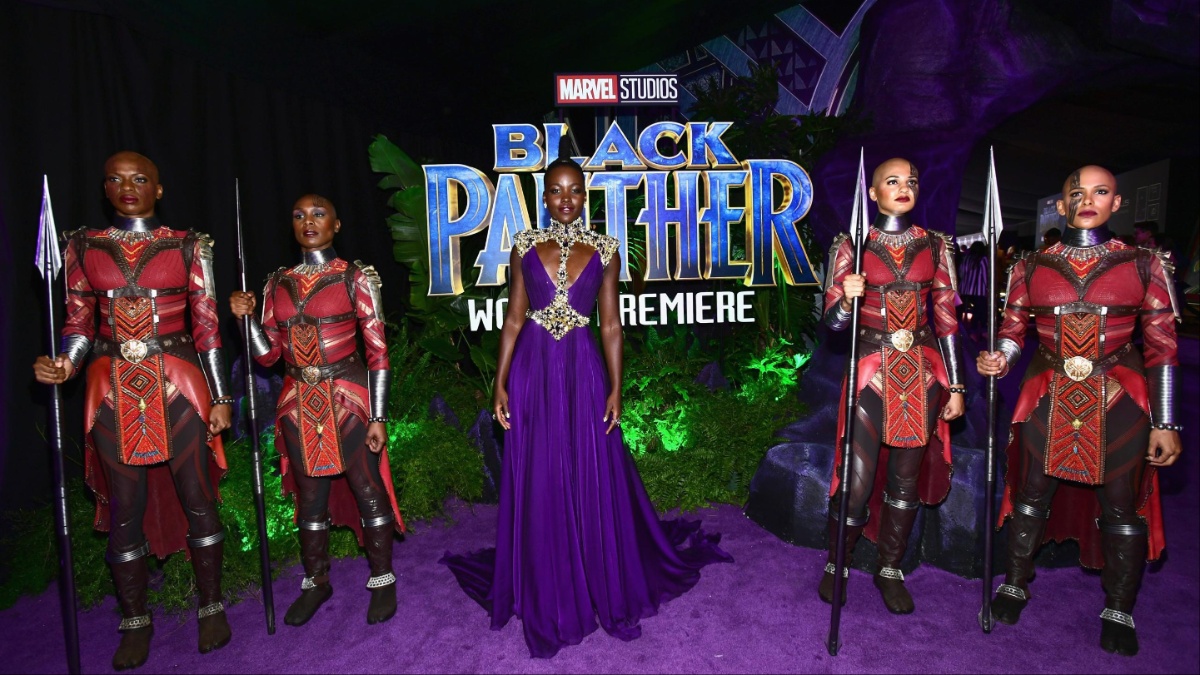
When Black Panther arrived, it changed perceptions about what a superhero film could be. Ryan Coogler’s vision of Wakanda combined African traditions, futuristic technology, and compelling political themes into a blockbuster unlike any before it.
Led by Chadwick Boseman, the cast included Lupita Nyong’o, Angela Bassett, Michael B. Jordan, Danai Gurira, and Letitia Wright. The film’s $1.3 billion box-office haul demonstrated the global appetite for authentic representation and culturally rich storytelling.
Poetic Justice: John Singleton (1993)
John Singleton appears again on this list with Poetic Justice, a film remembered for its romance, emotional honesty, and cultural impact.
Janet Jackson and Tupac Shakur brought remarkable chemistry to the screen as two individuals dealing with grief, uncertainty, and personal growth. Beyond the romance, the film explores dreams, loss, and resilience while capturing a vivid portrait of Black life in Los Angeles.
Coming To America: John Landis (1988) Black Movies Comedy Favorite
Eddie Murphy reached new heights with Coming to America, a romantic comedy that continues to entertain audiences decades after its release.
The story follows Prince Akeem, who leaves the fictional kingdom of Zamunda for Queens, New York, in search of genuine love. Murphy’s versatility, combined with standout performances from Arsenio Hall and James Earl Jones, helped turn the film into a worldwide hit and a beloved comedy classic.
Waiting To Exhale: Forest Whitaker (1995)
Based on Terry McMillan’s bestselling novel, Waiting to Exhale offered a refreshing portrayal of Black womanhood rarely seen in mainstream cinema.
Whitney Houston, Angela Bassett, Loretta Devine, and Lela Rochon lead the film as four friends navigating relationships, careers, heartbreak, and self-discovery. Forest Whitaker’s direction ensured the characters felt authentic and relatable, helping the movie become a defining cultural moment of the 1990s.
The Color Purple: Steven Spielberg (1985) Black Movies Essential
Steven Spielberg’s adaptation of Alice Walker’s Pulitzer Prize-winning novel remains one of the most celebrated films ever centered on Black women.
The story follows Celie’s journey from oppression to empowerment over several decades. Whoopi Goldberg’s breakthrough performance anchors the film, while Oprah Winfrey delivered one of its most unforgettable scenes through the character Sofia.
Django Unchained: Quentin Tarantino (2012)
Quentin Tarantino’s Django Unchained blended the Western genre with a revenge tale rooted in America’s history of slavery. Jamie Foxx stars as Django, a formerly enslaved man who joins forces with a bounty hunter and embarks on a mission to rescue his wife from a ruthless plantation owner.
The film generated conversation for its graphic portrayal of slavery and violence, but it also earned praise for its ambitious storytelling and standout performances from Foxx, Kerry Washington, Leonardo DiCaprio, and Samuel L. Jackson. A commercial and critical success, Django Unchained grossed more than $426 million worldwide and won two Academy Awards, cementing its place among the most talked-about Black-centered films of the 21st century.
Till: Chinonye Chukwu (2022) Black Movies That Preserve History
Chinonye Chukwu’s Till revisits one of the most heartbreaking chapters in American history through the eyes of Mamie Till-Mobley, whose son Emmett Till was brutally murdered in 1955. Rather than focusing solely on the crime itself, the film centers on a mother’s determination to seek justice and force the world to confront racial violence.
Danielle Deadwyler’s acclaimed performance brings emotional depth to the story, while the film serves as a powerful reminder of the courage required to challenge systemic injustice. By focusing on grief, resilience, and activism, Till became one of the most important historical dramas of its generation.
Sinners: Ryan Coogler (2025) Black Movies Modern Triumph
Ryan Coogler once again demonstrated his storytelling range with Sinners, a supernatural horror film set in the Mississippi Delta during the Jim Crow era. Michael B. Jordan takes on dual roles as twin brothers who return home only to encounter a terrifying force that threatens their community.
The film successfully combined horror, history, and social commentary while earning widespread acclaim from critics and audiences. Its box-office success and awards recognition further strengthened Coogler’s reputation as one of the most influential filmmakers of his generation. Sinners proved that Black stories can thrive across every genre, including horror, while still carrying cultural significance.
Malcolm X: Spike Lee (1992)
Spike Lee‘s Malcolm X remains one of the most ambitious biographical films ever produced. The film follows the life of the civil rights leader from his troubled youth to his transformation into a global activist, offering a sweeping examination of race, religion, identity, and political awakening.
Denzel Washington’s performance is widely regarded as one of the greatest of his career, capturing Malcolm X’s charisma, intelligence, and evolution with remarkable precision. More than three decades after its release, the film continues to educate new audiences about one of the most influential figures in American history and remains essential viewing for anyone interested in civil rights and social change.
Selma: Ava DuVernay (2014) Black Movies That Changed Conversations
Ava DuVernay’s Selma brought the 1965 Selma-to-Montgomery voting rights marches to life with power and urgency. Rather than presenting Dr. Martin Luther King Jr. as a distant historical figure, the film portrays him as a leader navigating immense pressure while fighting for equality.
David Oyelowo’s performance earned widespread acclaim, and the film was praised for making a pivotal moment in civil rights history feel immediate and relevant. By exploring the sacrifices made in the pursuit of voting rights, Selma connected past struggles to ongoing conversations about democracy, justice, and representation. Its impact extends far beyond entertainment, making it one of the defining Black films of the modern era.
Why These Black Movies Continue To Matter
The best Black movies do more than entertain. They preserve history, celebrate culture, challenge assumptions, and create opportunities for audiences to see the world through different perspectives. Whether through the social commentary of Do the Right Thing, the emotional honesty of Moonlight, the cultural impact of Black Panther, or the historical importance of Selma and Till, these films demonstrate the power of authentic storytelling.
Together, these movies represent some of the most influential works ever created by Black filmmakers and performers. They continue to inspire new generations while proving that great cinema transcends time, genre, and geography.