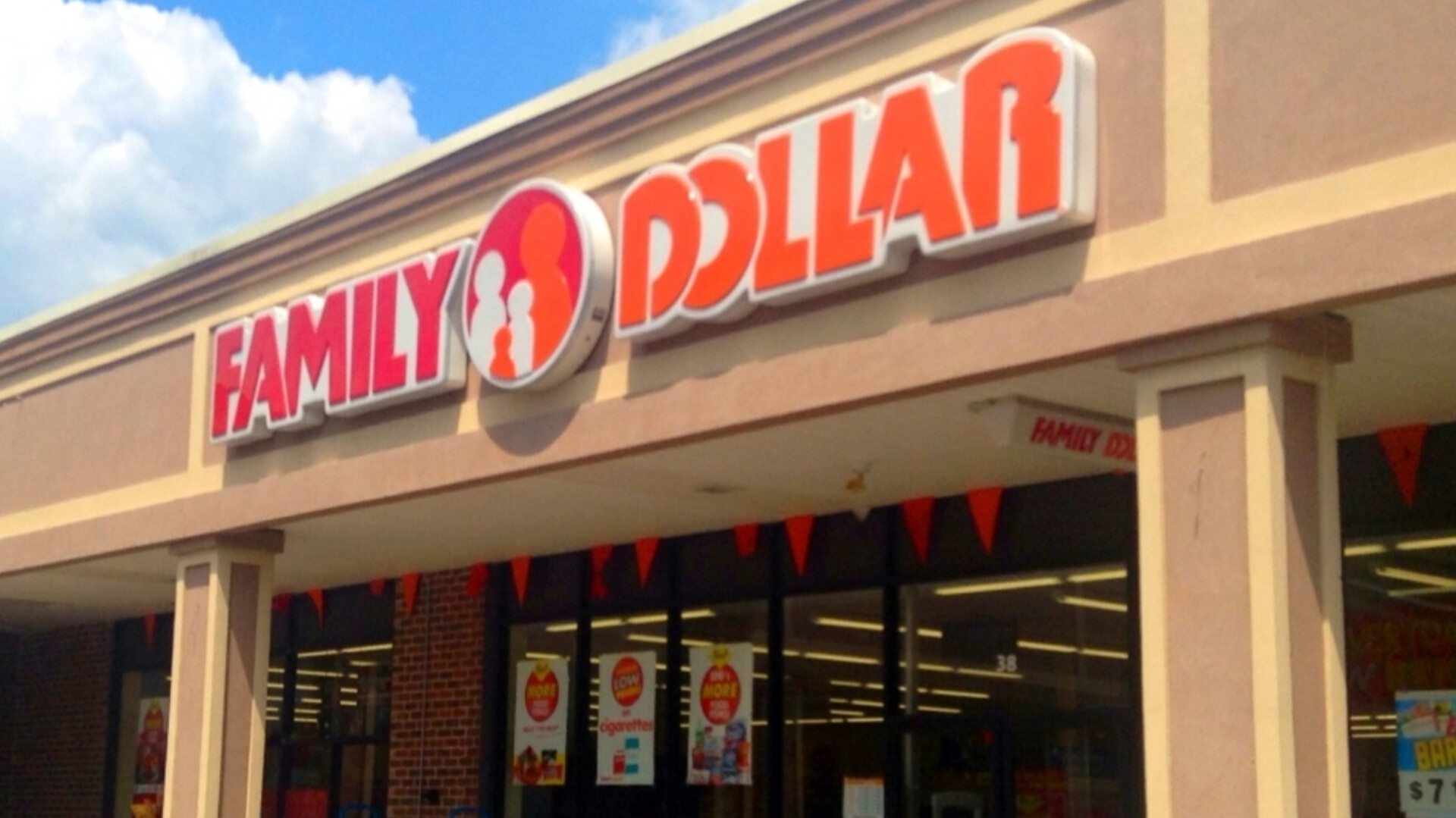
Family Dollar will pay $63 million to settle claims by the Federal Trade Commission and 17 states that it routinely charged shoppers more at checkout than its shelf tags and ads showed, the FTC said on Nov. 12. The settlement goes after one of the most direct costs a low-price chain can put on its customers, a register that rings up more than the shelf. Part of the payback will come as discounts at the same stores.
What the Family Dollar Settlement Requires
The proposed order, filed in the U.S. District Court for the Eastern District of Virginia, sets up a $40 million consumer redress fund and a $20 million discount program, and it sends more than $3 million to the states, according to the FTC. It bans Family Dollar from misrepresenting prices and requires an annual pricing-accuracy program certified by an independent party.
The complaint also says the company’s Smart Coupons app often failed to deliver advertised discounts and that the chain kept overcharging after failing inspections and facing earlier enforcement. Those are the government’s allegations. The Commission voted 2-0 to file.
“The FTC is committed to ensuring price transparency and fairness so consumers can make informed choices,” said Christopher Mufarrige, director of the FTC’s Bureau of Consumer Protection. Family Dollar has not commented publicly on the settlement.
How the $63 Million Breaks Down
The cash redress fund is $40 million of the $63 million, or 63%, a calculation from the FTC’s figures. The discount program is about 32%. The payment to the states is the rest. That is the original angle on the deal. Nearly a third of the headline figure returns to customers as savings they can collect only by shopping again at the company accused of overcharging them. The fair point for regulators is that a discount program reaches people who paid cash and kept no receipts, and the independent pricing audits are what should fix the problem at the shelf.
The Dollar General Case
The FTC filed a related complaint against Dollar General on Oct. 26, and that case is still in court, according to the agency. Two major discount chains now face federal pricing cases brought 17 days apart, a calculation from the two dates. At stores built on low prices, a few cents of difference on each item is the whole reason a customer walked in.
The case also fits a run of FTC pricing actions this fall. On Nov. 6, the agency and states announced a $49.75 million settlement with Pretium Partners, the owner of Progress Residential, over hidden rental fees, according to the FTC. Rent and discount groceries are two of the places where a household on a tight budget has the least room to absorb a surprise charge. The court must approve the proposed Family Dollar order before the redress process begins.