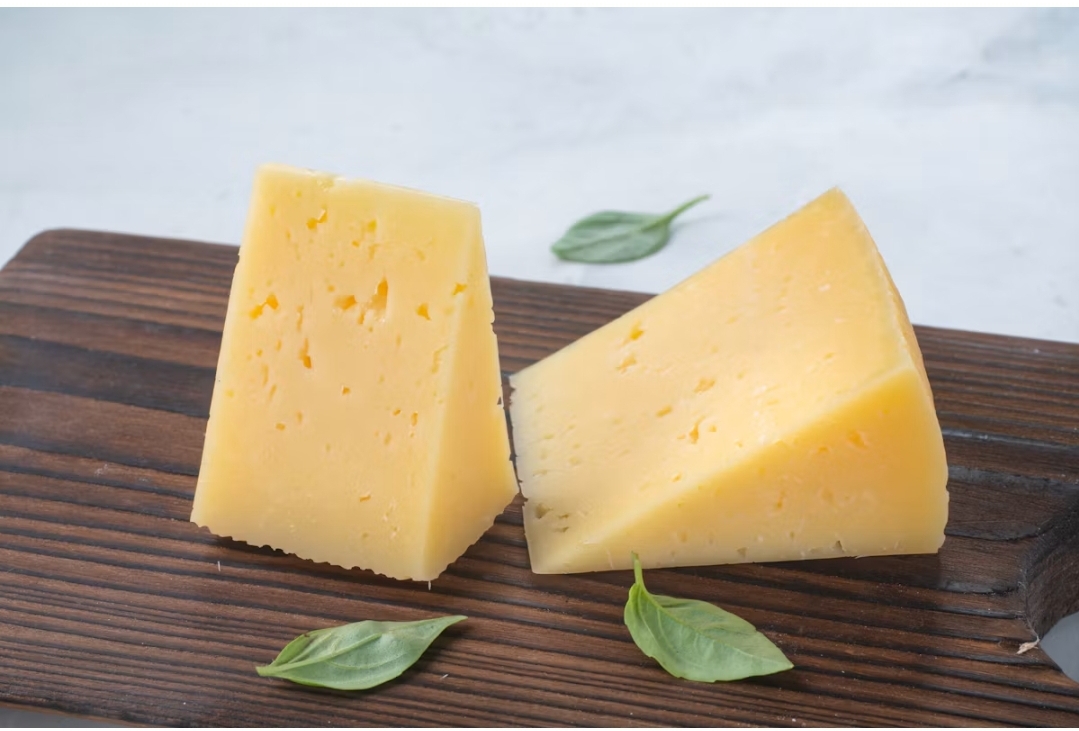
Family Farmstead Dairy of Worcester, New York, recalled its raw mild cheddar cheese on Oct. 15 after a Maryland laboratory found two strains of Shiga toxin-producing E. coli in two 8-ounce packages. The cheese carries lot code and best-by date 7/22/27 and went to grocers in seven states.
The company announced the recall in a notice posted by the Food and Drug Administration. It names the strains as E. coli O26:H11 and O45:H2. The notice says no illnesses or allergic reactions have been reported to date.
Which Cheese is Recalled
The recall covers one product: Family Farmstead Raw Mild Cheddar Cheese, lot code 7/22/27, best by 7/22/27. The notice says no other Family Farmstead Dairy products are included. The sample that tested positive came from the company’s A2 raw cheddar in an 8-ounce package carrying the same date.
The company says it shipped the cheese to grocers in New York, Pennsylvania, New Jersey, Connecticut, Maryland, Virginia and Massachusetts. It adds that the cheese may have reached other states through downstream distributors. The notice says the update corrects the distribution pattern and the E. coli type given in an earlier release from the company. The FDA page title and announcement name O26:H11 and O45:H2, while the page’s description tag still reads O157:H7, so the page carries both strain names.
Buyers who have the cheese should not eat it. The company says they can discard it or return it to the store for a full refund. Questions go to the company at 607-397-4044 or customerservice@familyfarmsteaddairy.com, weekdays from 8:30 a.m. to 5 p.m. Eastern. The company’s statement apologizes for the “inconvenience caused by this recall.”
What These E. Coli Strains Can Do
Shiga toxin-producing E. coli, known as STEC, makes a toxin that damages the lining of the intestine. The company says the strains cause diarrheal illness, often with bloody stools, and that most healthy adults recover within a week. Some people develop hemolytic uremic syndrome, a kidney condition most likely in young children and older adults.
The Centers for Disease Control and Prevention lists warning signs and when to see a doctor. They include diarrhea or vomiting that lasts more than two days, bloody stool or urine, a fever above 102 degrees and signs of dehydration. The agency says “HUS is a medical emergency.” Its warning signs include little or no urination, pale cheeks or lower eyelids, unexplained bruising and unusual tiredness or irritability.
CDC also names the groups at higher risk: children under 5, adults 65 and older and people with weakened immune systems. A person who ate the recalled cheese and has any of these symptoms should tell a health care provider about the cheese.
The 60-Day Rule for Raw Cheddar
Federal rules let companies make cheddar from unpasteurized milk on one condition. Under 21 CFR 133.113, such cheese must be cured at a temperature of not less than 35 degrees for at least 60 days. The curing period is the regulatory protection for raw cheese, since time and the cheese’s chemistry are supposed to reduce harmful bacteria.
The recall notice does not say when this lot was made, how long it cured or whether the company’s records show 60 days of aging. It does not say who ran the Maryland test beyond naming the laboratory “LFFM,” or whether a state or federal agency requested it. Those details would show whether the contamination survived a full curing period. Without them, the notice leaves the question open.
How This Differs from the Raw Farm Case
Raw cheddar made headlines earlier this year in a separate case. On its outbreak page, the FDA reported that CDC declared an outbreak tied to Raw Farm products over on April 30. It counted nine illnesses in California, Florida and Texas, three hospitalizations, one case of hemolytic uremic syndrome and no deaths. Over half of the ill people were children under 5.
In that case, FDA inspectors collected 19 cheddar samples from Raw Farm, and one tested positive for E. coli O157:H7. The agency said sequencing showed that strain matched an older 2025 outbreak, and that the positive cheese was never shipped. The agency also said it recommended in mid-March that Raw Farm pull its raw cheese products, and the company had not agreed by March 30. Raw Farm recalled certain cheeses on April 2.
The two cases involve different companies, different bacteria and different states. The Family Farmstead recall rests on a positive sample and no known illnesses, while the Raw Farm outbreak began with sick people and found a matching sample only later. Both appear in the FDA’s recall and outbreak records, and neither involves a product the other company makes.
What Shoppers Can Check Now
The notice does not say whether any of the cheese remains on store shelves. It names the lot code as the identifier, so shoppers can look for 7/22/27 on the package. The recall rests on laboratory results from two packages. The notice reports no illnesses, and no state or federal health agency is quoted in it. It lists the FDA consumer line at 888-463-6332 for questions.